
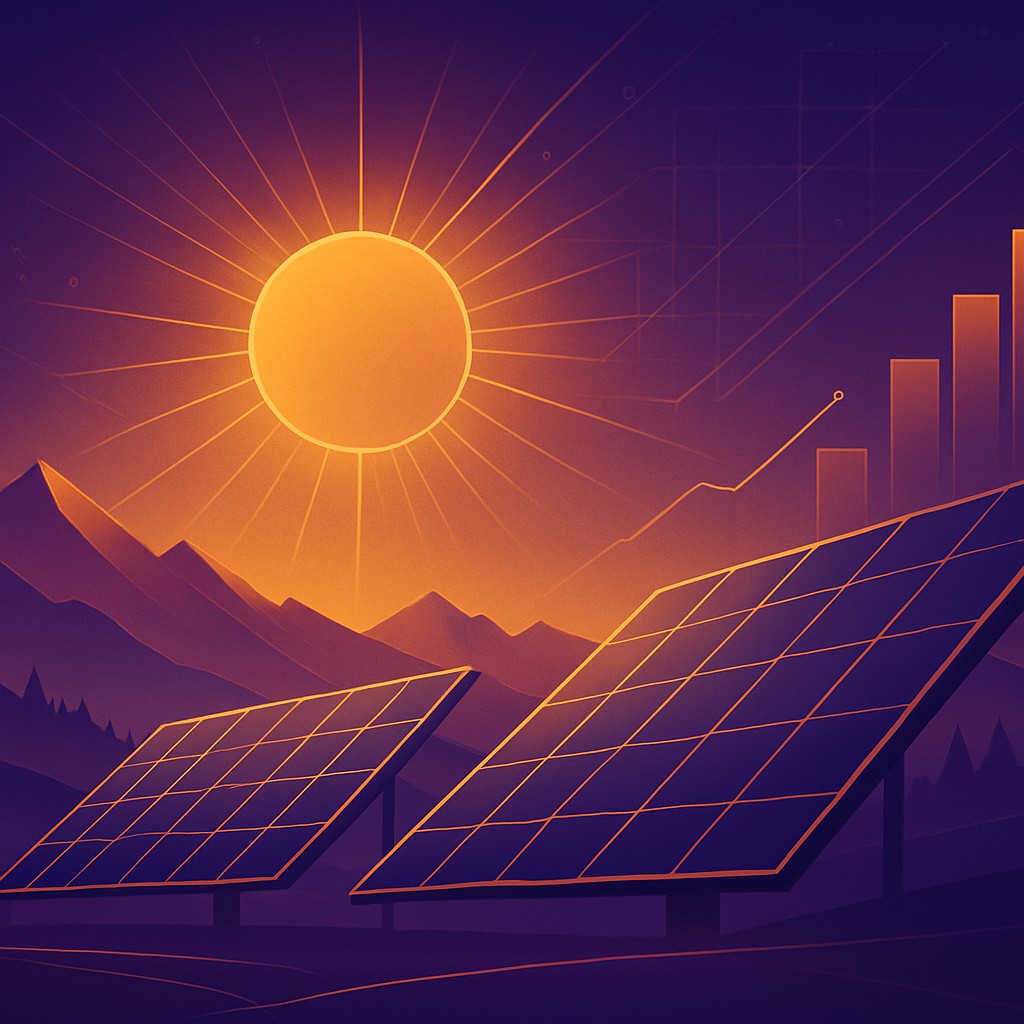
Austria's Solar Energy Boom
Solar power has become one of the fastest-growing segments of Austria's energy landscape. While the country has long relied on hydropower, the past decade has seen photovoltaic (PV) installations multiply across rooftops, farmland, and commercial sites. Falling panel prices, supportive subsidies, rising electricity costs, and a strong cultural commitment to sustainability have combined to make solar an attractive option for households, farms, and businesses alike. From the sun-rich plains of Burgenland to alpine valleys, Austrian solar companies are helping the nation capture clean energy from the sky.
This rapid expansion has created a competitive market of installers, manufacturers, and integrated energy providers. The companies highlighted below have earned strong reputations for quality, reliability, and customer service.
What to Look for in a Solar Company
Choosing a solar provider involves more than comparing prices. The best companies offer expert site assessment, high-quality components, professional installation, and dependable after-sales support. Increasingly, they also provide integrated solutions that pair PV systems with battery storage, energy management software, and electric-vehicle charging. Transparency, warranties, and a proven track record are essential markers of a trustworthy installer.
Leading Solar Energy Companies in Austria
1. Fronius International is an Austrian engineering champion renowned worldwide for its solar inverters and energy management systems. Based in Upper Austria, Fronius combines cutting-edge technology with a commitment to a 24-hour solar future.
2. KIOTO Solar (KPV Solar), located in Carinthia, is one of Austria's most respected solar panel manufacturers, producing high-quality modules domestically.
3. Energetica Industries manufactures premium photovoltaic modules in Austria, emphasising European production and durability.
4. SOLavanti offers turnkey solar solutions for residential and commercial customers, praised for thorough planning and reliable service.
5. 10hoch4 specialises in large-scale commercial and industrial PV projects, helping businesses reduce energy costs and emissions.
6. SunPower Austria partners deliver high-efficiency systems for customers seeking maximum output from limited roof space.
7. Wien Energie Solar brings the capital's largest utility into the solar space, developing community solar parks and rooftop programmes for Viennese residents.
8. oekostrom AG complements its renewable supply business with solar installation and citizen participation projects.
9. PVT Austria focuses on combining photovoltaic and thermal technology, maximising energy harvest from each square metre of roof.
10. Sonnenkraft, an established Austrian brand, provides comprehensive solar and solar-thermal systems with a strong dealer network nationwide.
Benefits of Going Solar
The advantages of solar energy are compelling. Homeowners and businesses can significantly reduce their electricity bills, gain independence from volatile energy prices, and shrink their carbon footprint. When paired with battery storage, solar systems allow users to consume their own clean power even after sunset, increasing self-sufficiency. Solar installations can also raise property values and, for farms and enterprises, transform unused roof or land space into a productive asset. Generous Austrian incentives and the ability to feed surplus power back into the grid further improve the economics.
Trends Shaping the Solar Market
Several trends are accelerating solar adoption in Austria. Battery storage has become mainstream, enabling households to store daytime generation for evening use. Energy communities allow neighbours to share locally produced solar power, supported by progressive regulation. Agrivoltaics, which combine farming with solar generation, is gaining interest as a way to use land efficiently. Meanwhile, integration with electric-vehicle charging and smart home systems is turning solar into the centrepiece of a connected, electrified lifestyle.
Considerations Before Installing
While solar is increasingly accessible, careful planning ensures the best results. Roof orientation, shading, and structural condition all affect performance. Buyers should evaluate component quality, inverter reliability, and the strength of warranties. Working with an experienced, reputable installer helps avoid common pitfalls and ensures systems are correctly sized for actual energy needs. Understanding available subsidies and grid connection rules is also important for maximising returns.
Conclusion
Solar energy is transforming how Austria powers its homes and businesses, complementing the country's hydropower heritage with clean, decentralised generation. The companies profiled here, from world-class manufacturers like Fronius to dedicated local installers, are leading this bright transition. For anyone considering solar, partnering with a trusted Austrian provider offers a clear path to lower bills, greater energy independence, and a more sustainable future.