
London's Enduring Maritime Importance
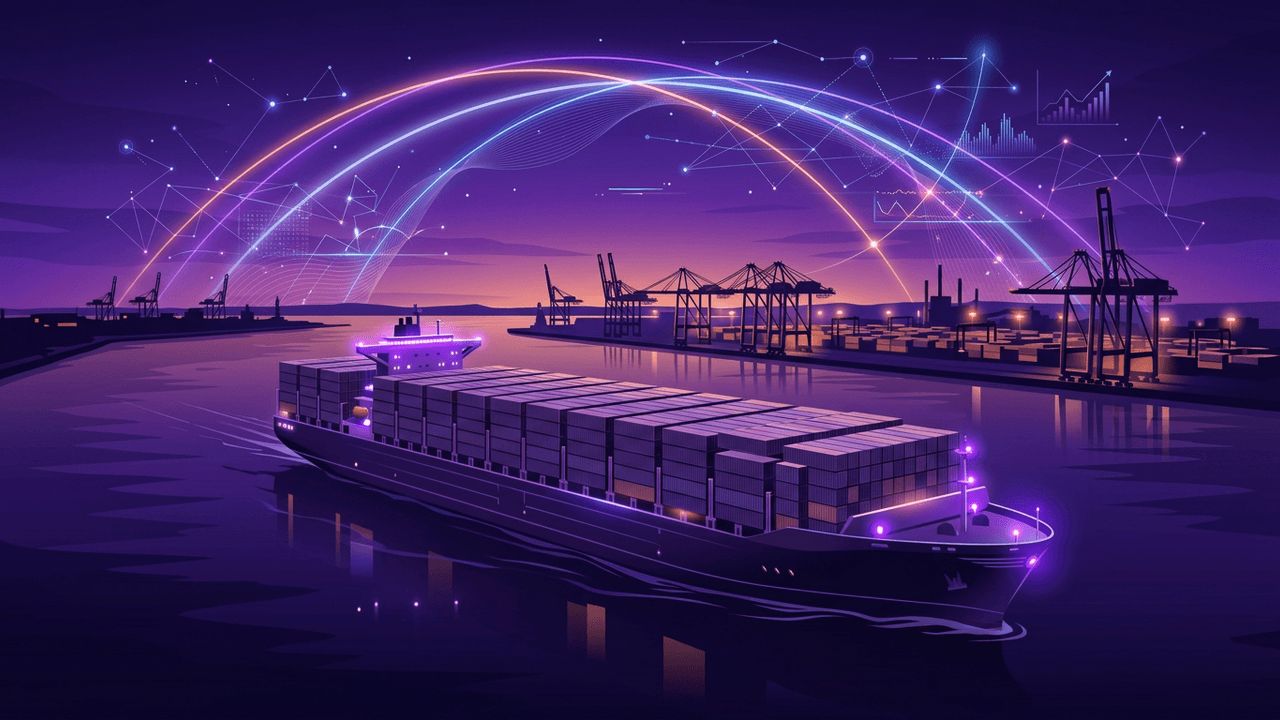
For centuries, London has been one of the world's great maritime cities. While the historic docks of the Thames have largely been redeveloped, the capital remains a global centre for shipping finance, insurance, law, shipbroking and maritime services. Modern deep-sea ports such as London Gateway and the Port of Tilbury continue to handle significant volumes of containers and cargo for the South East and beyond.
Shipping companies serving London range from global container lines carrying consumer goods to shipbrokers arranging charter deals for tankers and bulk carriers. For businesses importing and exporting goods, choosing the right shipping partner affects cost, transit time and reliability. Here are ten of the best shipping companies with significant ties to London.
How We Selected These Companies
We considered global network reach, service to London and Thames ports, reliability, digital tools, sustainability investments and reputation within the maritime industry. The list includes container lines, port operators, ferry companies and maritime services firms.
1. Maersk
Maersk is one of the world's largest container shipping companies, with extensive services to UK ports serving London. Beyond ocean shipping, it offers integrated logistics including customs, warehousing and inland transport. Maersk is investing heavily in green methanol-powered vessels to decarbonise its fleet.
2. MSC
MSC, the Mediterranean Shipping Company, is the world's largest container shipping line by capacity. Its vast network connects the UK with every major trading region. MSC provides reliable services for London importers and exporters, with a growing range of logistics and intermodal solutions.
3. CMA CGM
CMA CGM is a major French container shipping group serving UK ports with extensive global routes. It has expanded into logistics through its ownership of CEVA Logistics. CMA CGM is investing in alternative fuels, including liquefied natural gas and methanol-powered vessels.
4. Hapag-Lloyd
Hapag-Lloyd is a leading German container line known for reliability and service quality. It operates regular services to UK ports and provides strong connectivity across Europe, Asia and the Americas. Its focus on schedule reliability is valued by shippers with time-sensitive supply chains.
5. Ocean Network Express
Ocean Network Express, known as ONE, was formed by the merger of three major Japanese shipping lines. Its distinctive magenta containers are a familiar sight at UK ports. ONE offers strong connections between Asia and Europe and is known for its modern fleet.
6. Evergreen Line
Evergreen Line is a major Taiwanese container shipping company serving UK ports with Asia-Europe services. Its large, modern vessels and competitive pricing make it a popular choice for importers sourcing goods from Asia.
7. DP World
DP World operates London Gateway, a deep-sea port and logistics park on the Thames estuary. The port can handle some of the world's largest container ships and is close to London's consumer markets. DP World also offers logistics services that help businesses streamline supply chains into the capital.
8. Clarksons
Clarksons is the world's largest shipbroker and a London-based leader in maritime services. It provides broking, research, financial and port services to the global shipping industry. Clarksons' market intelligence is highly respected across the maritime sector.
9. P&O Ferries
P&O Ferries operates passenger and freight ferry services connecting the UK with France, Ireland and the Netherlands. Its Dover to Calais route is vital for freight moving between London and continental Europe. The company also offers freight services for hauliers and logistics companies.
10. Forth Ports
Forth Ports owns and operates the Port of Tilbury, one of the UK's major ports serving London. Tilbury handles containers, bulk cargo, forest products and roll-on roll-off traffic. Its proximity to London and extensive logistics facilities make it a key gateway for the capital's trade.
Trends in Shipping
Decarbonisation is the defining challenge for the shipping industry, with companies investing in alternative fuels, energy-efficient vessels and emissions reporting. Digitalisation is improving booking, tracking and documentation. Global disruptions have highlighted the importance of supply chain resilience, encouraging shippers to diversify routes and partners. London's maritime services sector continues to adapt as global trade evolves.
Tips for Choosing a Shipping Partner
Assess which trade lanes and ports you need and compare transit times, schedule reliability and rates. Consider working with a freight forwarder to access multiple carriers. Review digital tools for booking and tracking. For regular shipments, consider long-term contracts to secure capacity and stable pricing.
London's Maritime Services Cluster
Beyond ports and vessels, London is home to a remarkable concentration of maritime expertise. The Baltic Exchange, historically based in the City, publishes influential freight indices used to benchmark shipping rates worldwide. The International Maritime Organization, the United Nations agency responsible for shipping safety and environmental regulation, is headquartered on the Albert Embankment. Lloyd's of London remains central to marine insurance, and the city's law firms handle a large share of the world's maritime disputes. This ecosystem of finance, insurance, law and broking ensures that London's influence on global shipping extends far beyond the volume of cargo passing through its own ports.
Final Thoughts
London remains at the heart of global shipping, combining world-class ports with unmatched maritime expertise. From global carriers like Maersk and MSC to port operators such as DP World and Forth Ports, these companies connect London to the world and help businesses trade with confidence.