
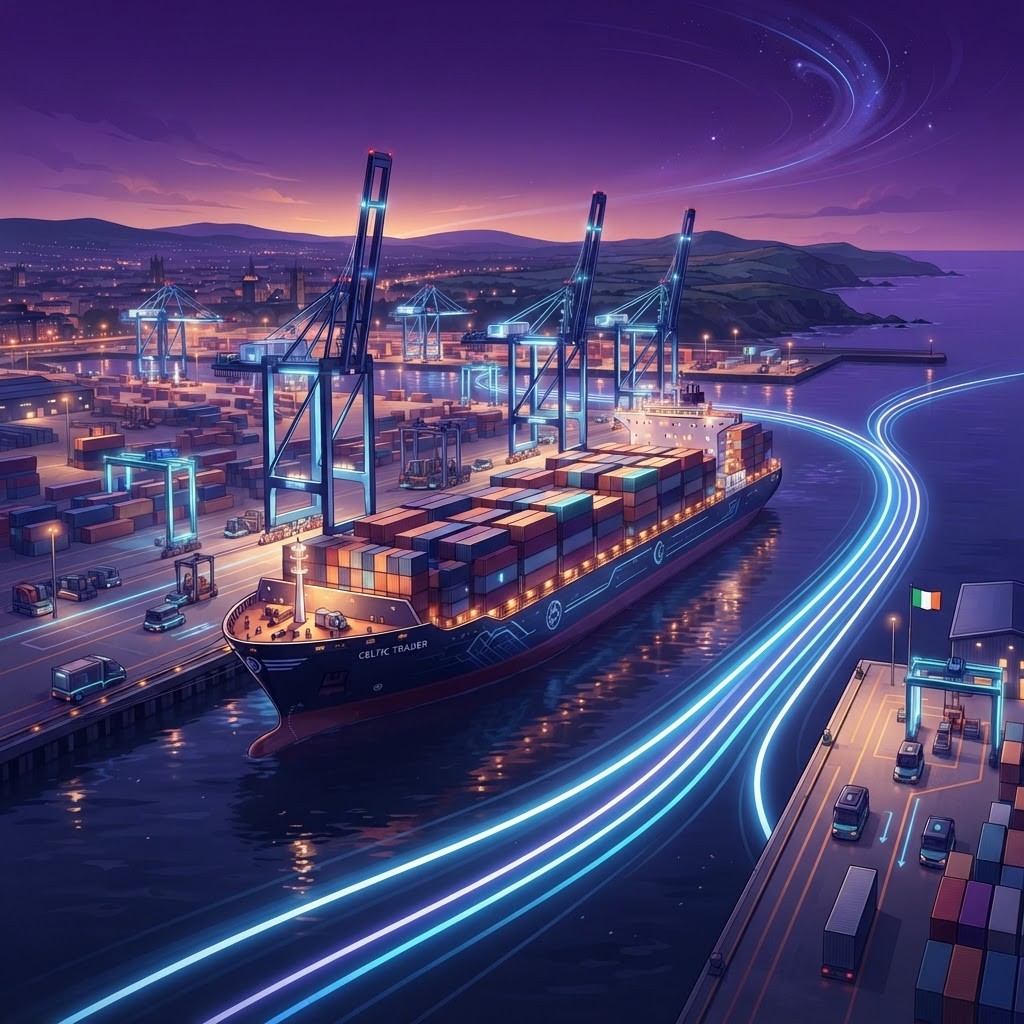
Ireland's Maritime Lifeline
As an island nation, Ireland has always depended on the sea. Shipping is not merely one option among many; it is the essential link that connects the country to Britain, continental Europe, and global markets. The vast majority of Ireland's trade by volume moves by sea, from containers packed with consumer goods to vehicles, machinery, and raw materials. Shipping companies, therefore, occupy a position of profound importance in the national economy.
Beyond freight, shipping also serves passengers, with ferry services carrying travellers, tourists, and their vehicles across the Irish Sea and to France. The companies operating these routes combine maritime expertise with logistical precision to keep goods and people moving reliably.
What Defines a Leading Shipping Company
Top shipping companies are characterised by reliability, extensive route networks, and modern fleets. Consistent schedules and dependable service are vital, as delays can disrupt entire supply chains. Well-maintained vessels, strong safety records, and compliance with international maritime regulations build trust. For passenger services, comfort, amenities, and customer care matter greatly. Increasingly, environmental responsibility and efficient handling of both freight and passengers set the best operators apart.
The Top 10 Shipping Companies
Irish Ferries is one of the most recognised names, operating passenger and freight services across the Irish Sea and to France with a modern fleet.
Stena Line provides extensive ferry and freight services connecting Ireland with Britain, valued for reliability and comfort.
DFDS offers freight-focused shipping and logistics with strong European connections.
CLdN specialises in roll-on roll-off freight services linking Ireland directly to continental Europe.
Brittany Ferries connects Ireland with France, popular with both freight customers and holidaymakers.
P&O Ferries serves key routes with a focus on both passenger and freight transport.
Maersk Line Ireland brings global container shipping expertise to Irish trade.
MSC Ireland offers extensive container shipping services connecting Ireland to worldwide markets.
Samskip provides multimodal and short-sea shipping solutions with a focus on efficiency.
Eucon rounds out the list, specialising in container feeder services linking Irish ports to European hubs.
The Importance of Direct European Routes
In recent years, direct shipping routes between Ireland and continental Europe have grown significantly in importance. Changes in trade arrangements prompted many businesses to seek alternatives to the traditional land bridge through Britain. Shipping companies responded by expanding direct services to ports in France, Belgium, and the Netherlands, offering more predictable transit and reduced customs complexity. This shift has strengthened Ireland's maritime connections and enhanced the resilience of its supply chains.
Sustainability at Sea
The shipping industry faces growing pressure to reduce its environmental impact, and Irish operators are responding. Investments in cleaner-burning fuels, more efficient vessel designs, and improved operational practices are helping to lower emissions. Some companies are exploring alternative fuels and shore power to reduce pollution in port. As international regulations tighten, sustainability is becoming a key consideration for shipping companies seeking to future-proof their operations and meet the expectations of environmentally conscious customers.
Passenger and Freight Services
Ireland's shipping companies serve two distinct but complementary markets. Freight services handle the bulk of the country's trade, moving containers, trailers, and vehicles with efficiency and precision. Passenger ferries, meanwhile, offer travellers a relaxing alternative to flying, with the added benefit of bringing their own vehicles. Many operators skilfully balance both, providing comfortable onboard amenities for passengers while maintaining the reliability that freight customers demand. This versatility is a hallmark of the leading companies.
The Role of Irish Ports
Shipping companies rely on a network of well-equipped ports to handle the flow of goods and passengers. Dublin Port is the busiest, serving as the primary gateway for trade with Britain and Europe and handling a huge share of the country's container and roll-on roll-off traffic. Rosslare Europort in the southeast has grown in strategic importance as a direct link to continental Europe, while Cork and Shannon Foynes handle significant volumes of bulk and specialised cargo. Ongoing investment in port infrastructure, including deeper berths and improved handling facilities, enables shipping companies to accommodate larger vessels and rising trade volumes, strengthening Ireland's maritime competitiveness.
Ferry Travel as an Experience
For passengers, ferry travel offers a distinctive and often underrated way to journey to and from Ireland. Unlike the rush of air travel, a ferry crossing allows travellers to relax in spacious lounges, enjoy onboard dining, and take in the sea air from open decks. The ability to bring a car opens up flexible touring holidays, while generous luggage allowances appeal to families and those travelling with sports or camping equipment. Overnight sailings with comfortable cabins turn the journey itself into part of the adventure. This blend of convenience and comfort continues to attract travellers who value the experience of arriving by sea.
Conclusion
Shipping companies are the maritime lifeline of Ireland, connecting the island to the wider world and underpinning its trade and tourism. The operators featured here have earned their reputations through reliability, extensive networks, and a willingness to adapt to changing circumstances. Whether transporting goods essential to the economy or carrying passengers on memorable journeys, these companies remain indispensable to Ireland's continued prosperity.