
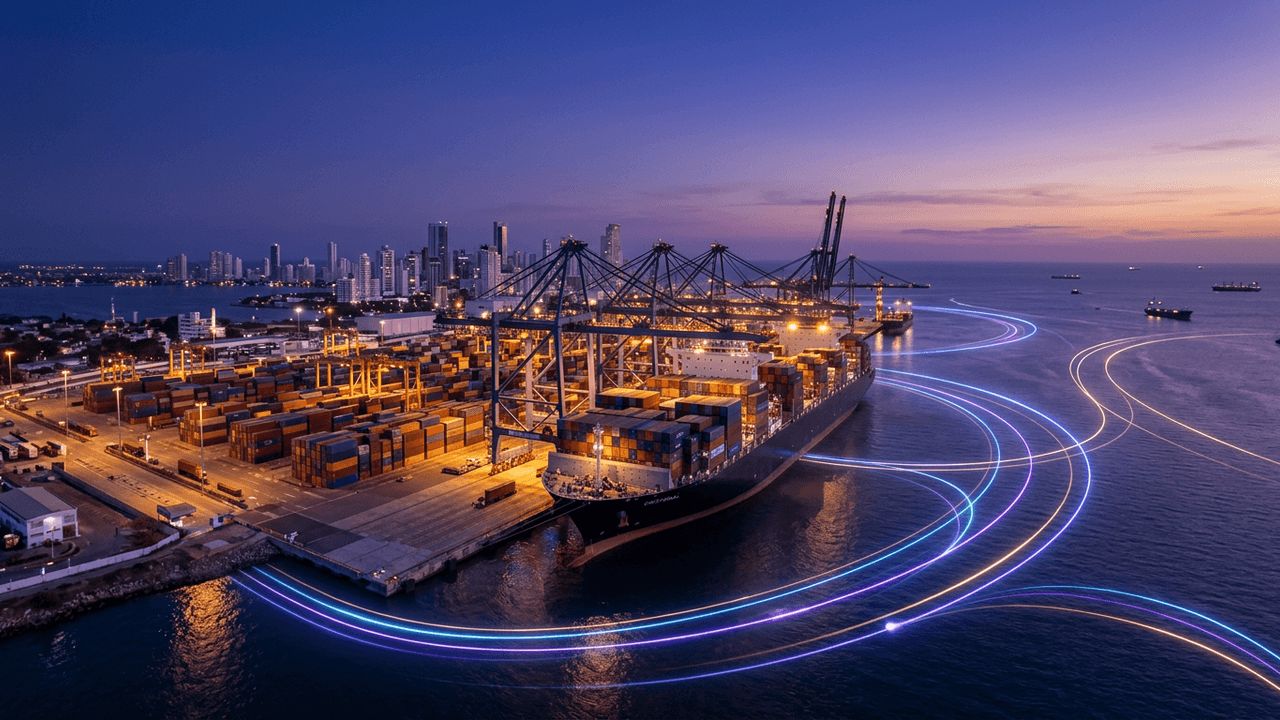
Colombia's Maritime Advantage
Colombia's two coastlines give it direct access to the Atlantic and Pacific trade routes, making maritime shipping central to its economy. Ports in Cartagena, Barranquilla, Santa Marta, and Buenaventura handle containers, bulk cargo, and energy exports. Cartagena has become one of the leading transshipment hubs in the Caribbean, connecting shipping lines from Asia, Europe, and the Americas.
Choosing the right shipping partner is essential for exporters and importers. The companies below are recognized for network coverage, reliability, and service quality.
The Top 10 Shipping Companies in Colombia
1. Maersk
Maersk is one of the world's largest container shipping companies, offering extensive services to and from Colombian ports. Its integrated logistics solutions help businesses manage end-to-end supply chains.
2. MSC
Mediterranean Shipping Company operates frequent services calling at Colombian ports, connecting exporters with global markets. Its large fleet provides capacity and flexibility.
3. CMA CGM
CMA CGM offers container shipping services connecting Colombia with Europe, Asia, and the Americas. It also provides logistics and inland transport solutions.
4. Hapag-Lloyd
Hapag-Lloyd is a major container carrier with a strong presence in Latin America. It offers reliable services and specialized equipment for refrigerated cargo such as fruit and flowers.
5. Evergreen
Evergreen connects Colombia with Asian markets through its global network, supporting importers of electronics, machinery, and consumer goods.
6. Ocean Network Express
ONE provides container shipping services with modern vessels and digital tools, connecting Colombian ports with Asia and the Americas.
7. COSCO Shipping
COSCO offers trans-Pacific services that connect Colombia with China and other Asian markets, particularly via the Pacific port of Buenaventura.
8. Seaboard Marine
Seaboard Marine specializes in shipping between the United States, the Caribbean, and Latin America, offering frequent services for Colombian exporters and importers.
9. Sociedad Portuaria Regional de Cartagena
This port operator manages major terminals in Cartagena, including container and transshipment facilities. Its efficiency and technology have made Cartagena one of the region's top ports.
10. Sociedad Portuaria Regional de Buenaventura
Operating Colombia's main Pacific port, this company handles a large share of the country's international trade, particularly with Asia.
Key Ports in Colombia
Cartagena is a leading transshipment hub and container port. Barranquilla, located on the Magdalena River, serves industrial clients. Santa Marta handles bulk and container cargo, including fruit exports. Buenaventura is the gateway to the Pacific, handling a significant portion of imports and exports.
How to Choose a Shipping Partner
Consider routes, transit times, frequency, and equipment availability. For perishable goods, refrigerated container capacity is crucial. Work with experienced freight forwarders and customs brokers to manage documentation and compliance. Compare rates, but also evaluate reliability and customer service.
Trends in Maritime Shipping
Decarbonization is reshaping the industry, with shipping lines investing in cleaner fuels and efficient vessels. Digitalization is improving tracking and booking. Colombian ports continue to invest in expansion and automation to handle growing trade volumes and larger vessels.
Port Investment and Growth
Colombian ports have invested heavily in expansion, dredging, and modern equipment to handle larger vessels. Terminal automation and digital port community systems are improving efficiency and reducing waiting times. New projects on both coasts are expected to increase capacity and strengthen Colombia's position as a regional logistics hub, attracting more direct shipping services.
Main Colombian Exports by Sea
Colombia exports a wide range of products by sea, including coal, oil, coffee, bananas, and processed foods. Bananas from Urabá and Magdalena are shipped in refrigerated containers to Europe and the United States. Coffee travels in containers from ports on both coasts, while manufactured goods such as textiles, chemicals, and plastics are exported to neighboring countries and beyond. Imports include machinery, vehicles, electronics, and consumer goods.
Understanding Incoterms and Documentation
Exporters and importers should understand Incoterms, which define the responsibilities of buyers and sellers in international shipments. Terms such as FOB and CIF determine who pays for freight, insurance, and risks at each stage. Essential documents include the bill of lading, commercial invoice, packing list, and certificates of origin, which can unlock preferential tariffs under Colombia's trade agreements.
Frequently Asked Questions
How long does shipping from Colombia to Europe take? Transit times typically range from two to four weeks, depending on route and transshipment.
What is transshipment? Transshipment is the transfer of containers between vessels at a hub port. Cartagena is one of the region's leading transshipment hubs.
Should I use a freight forwarder? Yes, especially if you are new to international trade, as forwarders manage bookings, documentation, and customs.
Can small businesses ship by sea? Yes. Less-than-container-load services allow smaller exporters to share container space, making international shipping more affordable for growing companies.
Which port should I use? The best port depends on your cargo's origin and destination. Pacific routes to Asia usually favor Buenaventura, while Caribbean ports are ideal for the United States and Europe.
Final Thoughts
Maritime shipping connects Columbia to the global economy. By partnering with reputable shipping lines and port operators, businesses can move goods reliably and competitively across international markets.