
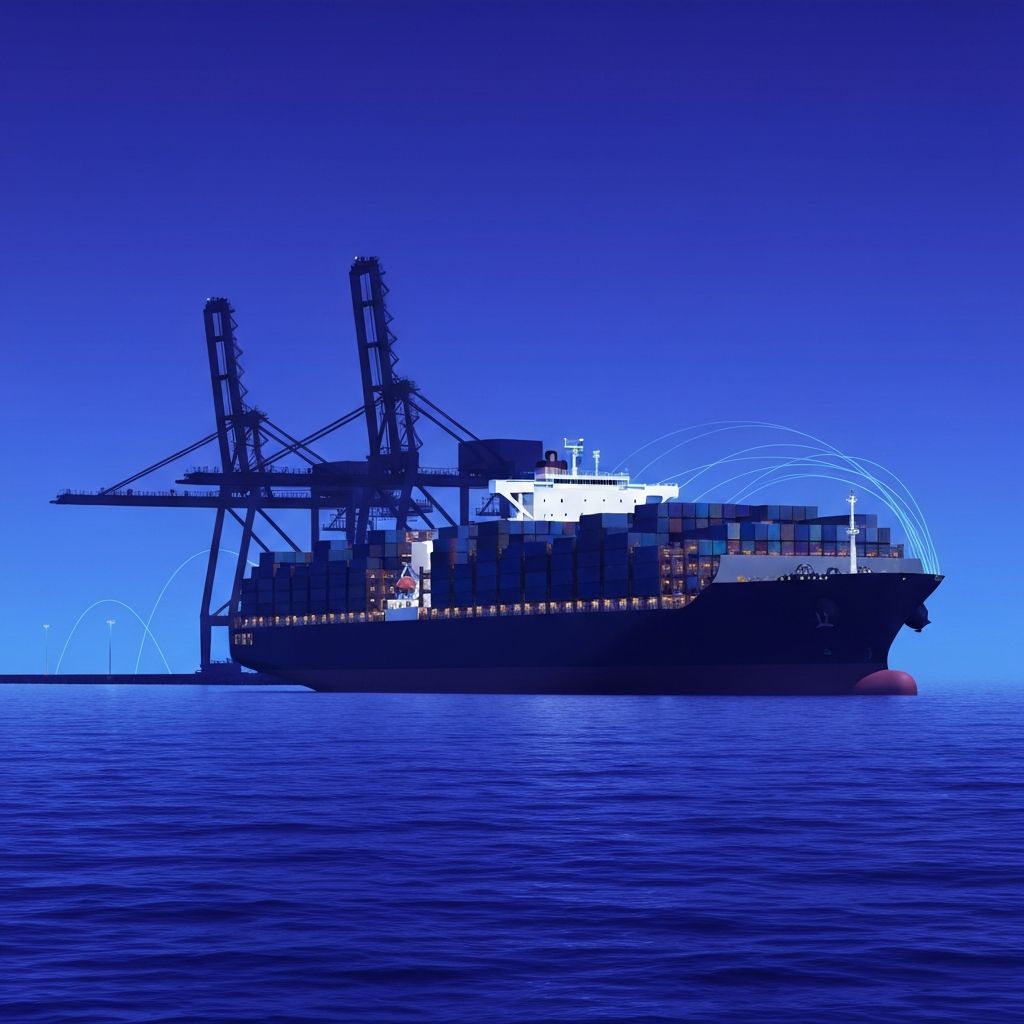
China's Maritime Dominance
China is the world's largest shipping nation, home to seven of the top ten busiest container ports and a fleet capacity that rivals any maritime power in history. Shipping companies based in China facilitate the bulk of global container trade, energy imports, and dry-bulk commodity flows. Their operations span deep-sea container lines, river barges, oil tankers, and specialized vessels for liquefied natural gas and project cargo.
COSCO Shipping
COSCO Shipping is China's flagship maritime conglomerate and one of the largest container carriers in the world. Through its fleet of mega-ships and global terminal network, COSCO connects China to every major trading region. Its membership in the OCEAN Alliance enhances service frequency and global coverage.
China Merchants Energy Shipping
This major operator focuses on tankers, including very large crude carriers, LNG vessels, and bulk carriers. It plays a strategic role in securing China's energy imports and is among the largest tanker fleet owners globally.
Sinotrans Shipping
A subsidiary of Sinotrans, this carrier operates dry bulk and container vessels with a focus on flexible chartering services. It serves industrial clients with project cargo needs as well as scheduled liner trades.
SITC International
SITC specializes in intra-Asia container shipping with a strong network connecting Chinese ports to Japan, Korea, and Southeast Asia. Its high frequency and reliable transit times make it a favorite among regional manufacturers.
Pacific International Lines (China)
While Singapore-based, PIL has significant Chinese operations and serves trades from Chinese ports to Africa, the Middle East, and Oceania. Its niche focus on emerging markets sets it apart from larger global lines.
China Navigation Company
A long-established carrier with roots dating back over a century, China Navigation operates specialized vessels including multipurpose ships and dry bulkers. The company emphasizes safety and environmental stewardship.
Shanghai Pan Asia Shipping
A COSCO subsidiary, Shanghai Pan Asia operates intra-Asia container services with a dense port-call network. Its routes are particularly valued by e-commerce and electronics shippers needing predictable transit between Asian manufacturing hubs.
Hua Xia Shipping
Hua Xia operates dry bulk carriers for commodities such as iron ore, coal, and grain. Its long-term contracts with Chinese steelmakers and utilities ensure stable cargo volumes year-round.
China Yangtze River Shipping
Specializing in inland waterway transport, this operator moves enormous volumes of bulk cargo and containers along the Yangtze River. The company's barges connect inland industrial centers like Chongqing with coastal ports for export.
OOCL (Orient Overseas Container Line)
Now part of the COSCO group, OOCL retains its premium brand identity and is known for reliable container services on transpacific and Asia-Europe trades. Its IT systems are among the most advanced in container shipping.
Trends in Chinese Shipping
The industry is undergoing rapid green transformation, with carriers ordering dual-fuel vessels powered by liquefied natural gas, methanol, and ammonia. Digitalization through e-bills of lading and blockchain-based documentation is reducing paperwork and accelerating customs processes. Smart ports equipped with automated cranes and self-driving trucks complement the offshore fleet upgrades.
Why China Leads
The combination of state support, scale economies, world-class port infrastructure, and integrated supply chains gives Chinese shipping companies sustainable competitive advantages. Many operators are vertically integrated, controlling terminals, inland logistics, and freight forwarding alongside their fleets.
Selecting a Shipping Partner
Shippers should evaluate carriers on schedule reliability, port coverage, equipment availability, and digital service quality. For bulk commodities, fleet age and vessel suitability matter most, while container shippers prioritize transit time and on-time performance.
Conclusion
China's shipping companies are central to the global economy, moving the goods and energy that power industries on every continent. The top ten operators highlighted here exemplify scale, innovation, and resilience, ensuring that maritime commerce remains the lifeblood of international trade.