
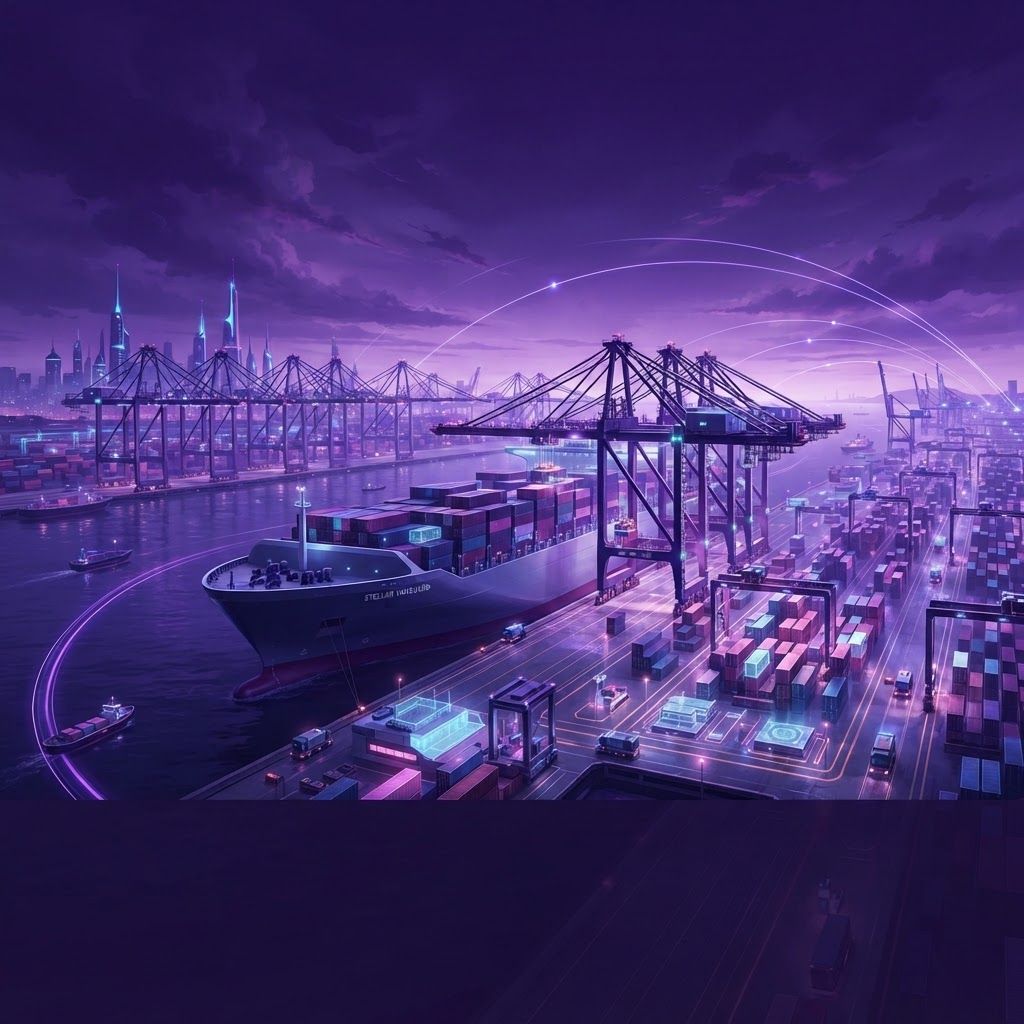
Shipping and the Chesapeake Advantage
Few inland cities enjoy the maritime access Chesapeake does. The harbor serving Hampton Roads is naturally deep, ice-free year round and equipped with modern container terminals capable of handling the largest vessels calling on the United States East Coast. For businesses located in Chesapeake, that means ocean freight is not an abstract logistics category. It is a local capability, often within a short drayage run of the warehouse door.
The city's shipping sector reflects that proximity. Ocean carriers, non-vessel operating common carriers, freight forwarders, customs brokers, drayage firms, warehousing operators and export packing specialists all maintain a presence in or near the city. Together they let a small manufacturer in Chesapeake reach customers in Europe, Asia or South America with the same infrastructure large corporations use.
Understanding Your Shipping Options
Full container load shipping dedicates an entire container to one shipper, which is the most economical choice once volume justifies it and the safest for high-value cargo since the box is sealed at origin. Less than container load consolidates multiple shippers' cargo, making ocean freight accessible for smaller volumes at the cost of extra handling and slightly longer transit.
Freight forwarders arrange transportation across modes and carriers without owning ships, adding value through routing knowledge, documentation and problem resolution. Customs brokers handle entry filings, duty classification and regulatory compliance, a function that grows more important as trade rules change. Drayage carriers move containers between terminal and warehouse, and their performance directly determines whether you pay avoidable per diem and storage charges.
The Top 10 Shipping Companies in Chesapeake
1. Harbor Gateway Shipping is a leading regional forwarder known for combining ocean booking, customs clearance and inland transport into one coordinated service, which reduces handoff failures.
2. Chesapeake Ocean Freight Services focuses on export shipments for local manufacturers, offering documentation support and export packing guidance that helps first-time exporters avoid costly errors.
3. Tidewater Container Line operates a strong consolidation program, giving smaller shippers competitive less than container load rates on major trade lanes.
4. Dominion Customs Brokerage is respected for compliance depth, handling tariff classification, valuation and regulated commodity entries with careful attention to audit readiness.
5. Atlantic Drayage Partners concentrates on terminal container moves, with appointment management and chassis strategies designed to keep boxes flowing.
6. Elizabeth River Shipping Group serves project cargo and breakbulk shipments, coordinating heavy or oddly shaped freight that cannot travel in standard containers.
7. Great Bridge Global Forwarding offers both air and ocean options, useful for companies that need to shift modes when timelines compress.
8. Southgate Export Services provides crating, palletizing and export compliance packaging, protecting cargo through long ocean voyages and multiple handlings.
9. Battlefield Marine Logistics supports importers with transload and inland distribution services, converting containers into pallet flows destined for regional customers.
10. Deep Creek International Shipping rounds out the list as a service-oriented forwarder favored by small businesses for hands-on account attention.
Trends Affecting Ocean Shipping
Rate volatility remains the defining characteristic of the market. Ocean freight pricing swings with vessel capacity, demand cycles and geopolitical disruption, and shippers who lock in annual contracts sometimes benefit while at other times spot pricing wins. The practical response used by experienced Chesapeake shippers is a blended approach, contracting a base volume while keeping flexibility for the remainder.
Environmental regulation is another force. Emissions rules and fuel transitions are gradually raising the cost basis of ocean transport while pushing carriers toward newer, more efficient vessels. Digitalization has improved the shipper experience meaningfully, with electronic bills of lading, container tracking and automated arrival notices reducing manual follow-up.
Finally, supply chain resilience thinking has changed routing decisions. Companies that once optimized purely for cost now weigh port congestion risk, chokepoint exposure and dual-sourcing, which has benefited East Coast gateways including Hampton Roads.
How to Choose a Shipping Partner
Clarify your Incoterms first, because the term you agree with your supplier or buyer determines who controls transport and who bears risk at each stage. Misunderstanding that single detail causes more shipping disputes than almost anything else.
Then evaluate providers on lane strength rather than general reputation. A forwarder with deep relationships on transpacific routes may be average on transatlantic ones. Ask about customs capability, cargo insurance options, and how the company communicates delays. Request a full quote breakdown including ocean freight, terminal handling, documentation, drayage, chassis, customs and any potential storage exposure, since headline ocean rates rarely represent total cost.
Above all, prioritize partners who explain the process. International shipping involves timelines and terminology that punish assumptions, and the best Chesapeake shipping companies invest time in making sure their clients understand exactly what is happening to their cargo and when.