
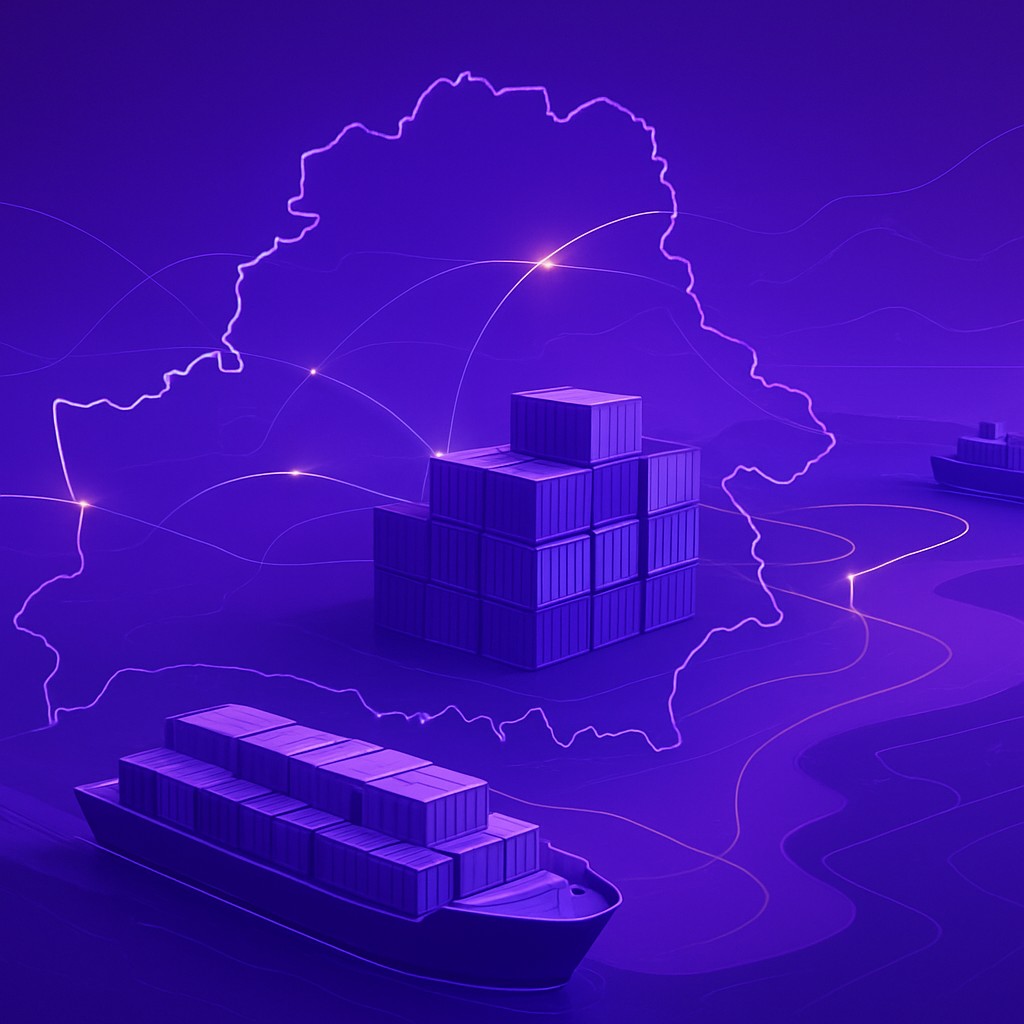
Shipping in a Landlocked Nation
Belarus has no direct access to the sea, yet international shipping remains essential to its economy. The solution lies in sophisticated multimodal logistics that connect Belarusian shippers to maritime ports in neighboring countries through road and rail links. Companies that specialize in this kind of coordination effectively give the nation a virtual seaport, channeling exports and imports through Baltic and other regional gateways.
This reality makes the shipping sector in Belarus distinctly different from coastal economies. Success depends on seamless handoffs between transport modes, reliable customs clearance, and strong partnerships with port operators abroad. The best shipping companies excel at orchestrating these complex chains so cargo moves without delay.
The Multimodal Advantage
For a Belarusian exporter, a typical shipment might travel by truck or rail to a port, where it is loaded onto an ocean vessel for delivery to international markets. Managing this requires expertise in freight forwarding, container booking, documentation, and inland transport. Leading providers bundle these services into a single, accountable solution.
Inland waterways also play a supporting role. Rivers within the region offer additional options for bulk cargo where infrastructure allows, complementing the dominant road and rail modes.
Leading Shipping and Freight Forwarding Companies
Asstra stands out for its comprehensive international freight forwarding, combining sea freight booking with inland transport and a robust digital platform. Globalink Logistics brings deep regional experience, handling containerized cargo, project shipments, and oversized freight to and from ports.
BLT Logistic is recognized for arranging efficient road and rail connections to Baltic ports, while Belintertrans leverages its rail strengths to feed containers toward maritime gateways. Westline Logistic serves domestic exporters with dependable inland transport and consolidation services.
For customs and terminal handling, Beltamozhservice provides bonded warehousing and brokerage that smooth the flow of sea-bound cargo. Companies such as Transavtoles and Brest Logistic Center add value through cross-border trucking and transshipment near the western frontier, ensuring goods reach ports efficiently.
Industry Trends
Containerization continues to dominate, with shippers favoring standardized units that move easily between truck, rail, and vessel. Digital documentation and electronic bills of lading have accelerated clearance and reduced paperwork errors. Real-time tracking now extends across the entire journey, giving clients visibility from a Belarusian warehouse all the way to a foreign port.
There is also rising demand for consolidated and groupage services, which allow smaller exporters to share container space and access international markets affordably. Sustainability considerations are encouraging route optimization and modal shifts toward rail where it reduces emissions.
Benefits for Belarusian Businesses
Partnering with an experienced shipping company unlocks access to global markets that would otherwise be difficult to reach from a landlocked base. Clients benefit from negotiated ocean freight rates, simplified documentation, and a single point of accountability for complex international moves. Reliable transit planning helps businesses meet delivery commitments and manage inventory effectively.
How to Select a Shipping Partner
When choosing a shipping provider, assess its network of port partnerships, its experience on your target trade lanes, and the strength of its customs and documentation capabilities. Transparent pricing, cargo insurance options, and digital tracking are important markers of quality. A provider that can flex between full container loads and consolidated shipments offers valuable adaptability.
Conclusion
Despite its landlocked geography, Belarus maintains a vibrant shipping sector built on multimodal ingenuity. The leading companies turn a logistical challenge into a competitive strength, connecting Belarusian producers to the world through carefully managed road, rail, and maritime links. For exporters and importers alike, the right shipping partner is the bridge to global trade.