
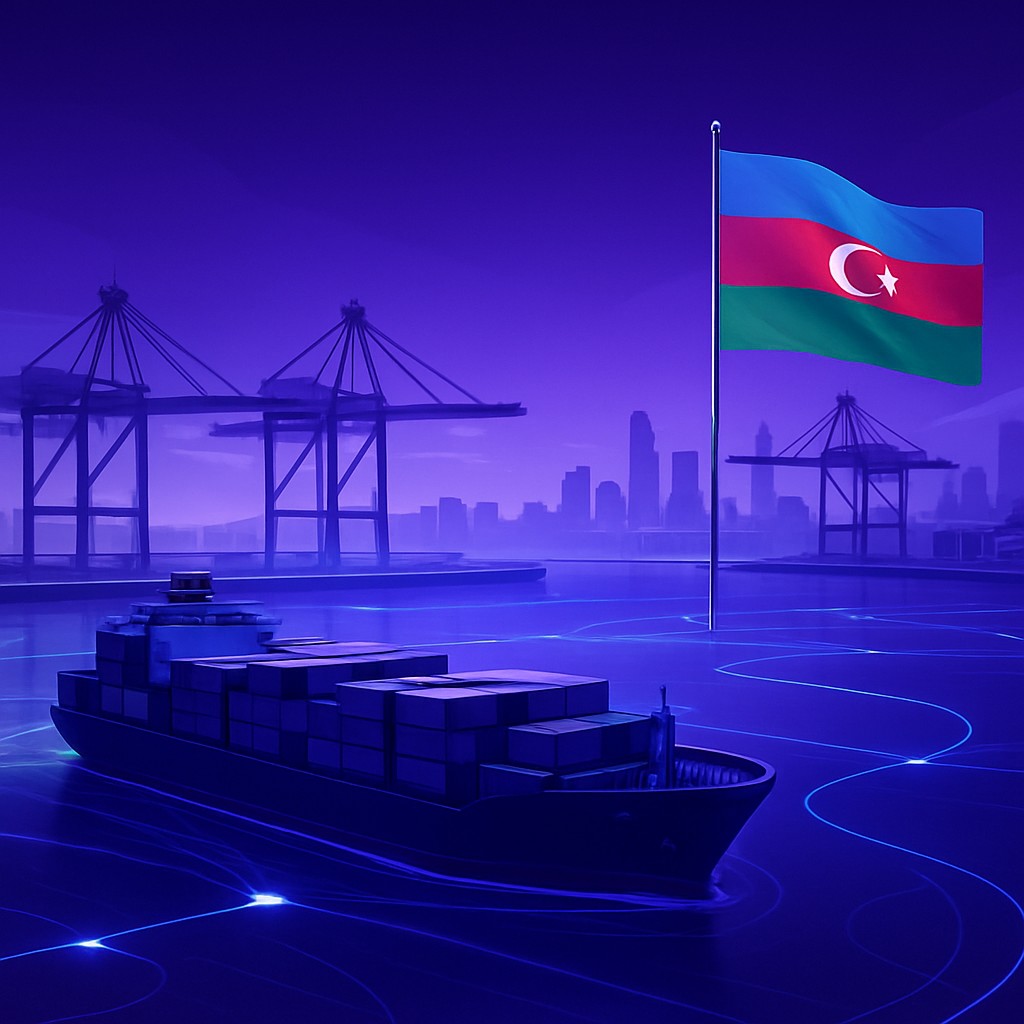
Azerbaijan's Maritime Gateway on the Caspian
With its long coastline along the Caspian Sea, Azerbaijan has developed a maritime industry that is essential to its economy and regional trade. Shipping companies here move energy products, dry and liquid bulk cargo, containers, and vehicles across the world's largest inland body of water. The Port of Baku, particularly its modern facilities at Alat, has become a central hub for maritime commerce, linking Azerbaijan with Central Asia, Russia, Iran, and beyond.
The maritime sector is closely tied to the broader Middle Corridor strategy, where sea transport integrates with rail and road to create seamless intercontinental routes. As trade volumes grow, shipping companies play an increasingly important role in connecting markets and supporting Azerbaijan's ambition to be a regional logistics leader.
Qualities of a Top Shipping Company
Leading shipping companies are defined by fleet quality, safety standards, and reliability. The ability to handle diverse cargo, from oil and gas equipment to containers and bulk commodities, is highly valued. Strong operators also excel at coordinating with ports and integrating maritime transport into multimodal supply chains. Compliance with environmental and safety regulations is increasingly important in a sector under growing scrutiny.
Top Shipping Companies in Azerbaijan
Azerbaijan Caspian Shipping Company (ASCO) is the dominant force in the country's maritime industry, operating a large fleet that includes tankers, dry cargo vessels, ferries, and specialized ships. As the national shipping leader, it underpins energy exports and regional trade across the Caspian.
Caspian Marine Services specializes in offshore support for the energy sector, providing vessels that serve oil and gas operations. Its expertise in offshore logistics makes it a key partner for the industries driving Azerbaijan's economy.
Baku Maritime Lines focuses on cargo and container transport across the Caspian, coordinating closely with port facilities to ensure efficient loading and delivery. Its reliability has earned it a strong reputation among traders.
Caspian Tanker Fleet handles the transport of oil and liquid products, a cornerstone of Azerbaijan's maritime activity. Its specialized vessels and safety focus serve the energy sector's demanding requirements.
Alat Port Shipping leverages the modern facilities at the Alat port complex, offering integrated services that connect sea transport with rail and road. Its strategic position supports the growing Middle Corridor trade.
TransCaspian Ferry Services operates roll-on roll-off vessels that move vehicles, wagons, and cargo across the sea, providing a crucial link in the east-west transport chain. Its ferries are integral to multimodal logistics.
Caspian Bulk Carriers specializes in dry bulk commodities such as grain, metals, and minerals, working with port terminals to streamline operations. Its capacity serves commodity traders and industrial clients.
Baku Offshore Fleet supports the maritime needs of the offshore energy industry, supplying specialized vessels for complex operations. Its technical expertise complements the broader energy supply chain.
Caspian Container Lines focuses on containerized shipping, helping integrate maritime transport with rail and road for efficient cargo movement. Its services support the rise of containerized trade in the region.
Khazar Marine Logistics rounds out the list with integrated maritime logistics, combining shipping with coordination, documentation, and port services. Its comprehensive approach appeals to clients seeking simplified maritime solutions.
Trends Driving Maritime Growth
The expansion of the Middle Corridor is a major driver of Azerbaijan's shipping industry, increasing demand for ferry and container services that connect Asia and Europe. Investment in modern port infrastructure, particularly at Alat, is enhancing capacity and efficiency, enabling smoother integration of sea, rail, and road transport.
Environmental considerations are gaining prominence, encouraging companies to adopt cleaner practices and more efficient vessels. Digitalization is also influencing the sector, with improved tracking and coordination enhancing reliability. Together, these trends are strengthening Azerbaijan's position as a maritime hub on the Caspian.
Choosing the Right Shipping Partner
The ideal shipping company depends on cargo type and trade route. Energy clients may require tanker or offshore specialists, while traders moving containers or vehicles might prioritize ferry and container operators. Bulk commodity shippers benefit from dedicated carriers, and businesses seeking simplicity may prefer integrated logistics providers. Evaluating fleet capability, safety, and port integration helps identify the best match.
Conclusion
Azerbaijan's shipping industry is a vital pillar of its economy and a key enabler of regional trade. The leading companies stand out through fleet strength, specialization, and integration with the broader transport network. As the Middle Corridor expands and port infrastructure modernizes, these maritime operators are well positioned to support growing trade flows, reinforcing Azerbaijan's role as a strategic gateway on the Caspian Sea.