
Why Seed Selection Matters More in a Difficult Climate
Santa Clarita sits in a Mediterranean climate zone with hot, dry summers, mild winters, low humidity, and significant day-to-night temperature swings. Add alkaline soils in many areas, restricted irrigation water, and occasional extreme heat events, and the result is an environment where seed selection determines success far more than in temperate regions. A variety that thrives in the Pacific Northwest may bolt, fail to set fruit, or simply die during a valley July.
This makes regionally knowledgeable seed suppliers genuinely valuable. The best sources for Santa Clarita gardeners, growers, and land managers are those who understand heat tolerance, bolt resistance, drought adaptation, and the planting calendar that Southern California's inverted growing season requires — where fall planting often outperforms spring.
Categories of Seed Supply
Vegetable and herb seed serves home gardeners, market farms, and community gardens, with heirloom, open-pollinated, and hybrid options. Native plant seed supports habitat restoration, fire-resilient landscaping, and water-wise design. Wildflower and pollinator mixes provide habitat value and ornamental appeal. Turf and pasture seed serves lawns, sports fields, and grazing land. Cover crop and soil-building seed supports regenerative practice. Nursery and ornamental seed supplies growers propagating landscape plants commercially.
Ten Seed Companies and Suppliers Serving Santa Clarita
1. Southern California Vegetable Seed Company — A regional supplier specializing in heat-tolerant and bolt-resistant vegetable varieties selected specifically for inland Mediterranean conditions, with planting calendars tailored to the local season.
2. Valencia Garden Seed Supply — A retail and small-wholesale source offering open-pollinated and heirloom vegetable and herb seed, with staff guidance on succession planting through the valley's long growing season.
3. Santa Clarita Native Seed Collective — Ecologically sourced native seed for restoration and landscaping, including sage scrub, chaparral, and riparian species with documented local provenance.
4. Placerita Wildflower Seed Company — California wildflower and pollinator mixes formulated for low-water establishment, popular for slope stabilization, meadow conversion, and habitat plantings.
5. Canyon Country Turf & Pasture Seed — Warm-season and drought-tolerant turf varieties along with pasture and forage mixes for equestrian properties and grazing land.
6. Soledad Cover Crop Seed Supply — Legumes, grasses, and brassica mixes for nitrogen fixation, erosion control, and soil organic matter improvement in orchards, vineyards, and vegetable rotations.
7. Newhall Organic Seed Company — Certified organic vegetable and herb seed for growers maintaining organic certification, where seed sourcing requirements are strictly documented.
8. Bouquet Canyon Tree & Shrub Seed — Woody plant seed for nursery propagation, including oaks, sycamores, and drought-adapted ornamentals used in regional landscaping and restoration.
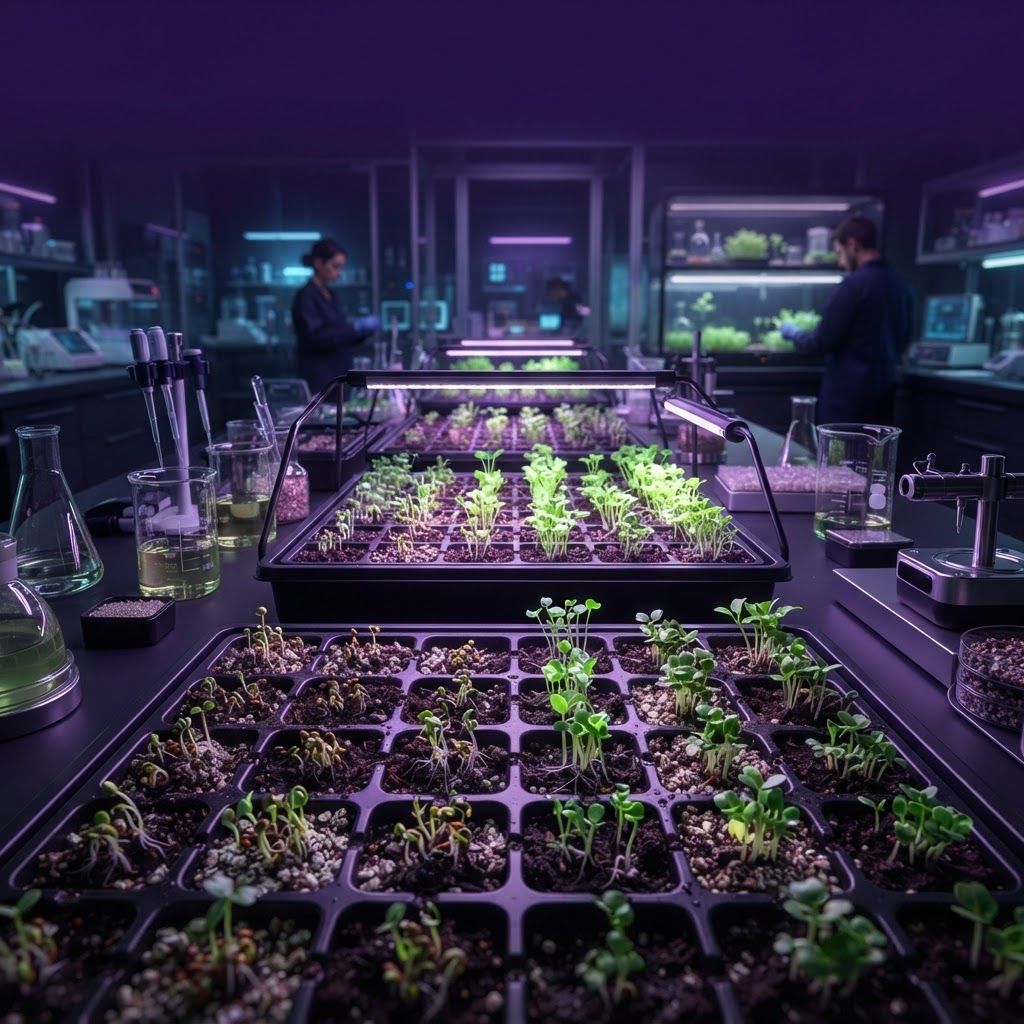
9. Golden Valley Microgreen Seed Supply — Bulk seed for microgreen and sprout production, serving controlled environment growers and restaurants producing their own garnishes.
10. Sierra Highway Seed Bank & Exchange — A community-oriented seed library and exchange preserving locally adapted varieties and distributing seed to gardeners and school programs.
Choosing Varieties That Succeed Locally
Several selection principles consistently improve outcomes in the Santa Clarita Valley. Prioritize heat tolerance and bolt resistance in leafy crops, since spring-planted lettuce and spinach frequently bolt before producing usefully. Favor determinate or short-season tomato varieties for spring planting and heat-set varieties for summer production, because many popular tomatoes fail to set fruit above certain night temperatures.
Understand the inverted calendar. In much of the valley, the most productive vegetable growing occurs from fall through spring, with cool-season crops planted in September and October performing far better than the same crops planted in March. Summer is best used for heat-loving crops such as peppers, eggplant, okra, melons, and beans, or for cover cropping.
For native and drought-tolerant plantings, timing is equally critical. Native seed generally requires fall sowing so winter rains provide establishment moisture. Spring-sown native seed typically fails without supplemental irrigation that defeats the purpose.
Seed Quality and Documentation
Quality varies substantially between suppliers. Look for germination rate testing, packing date or lot information, and clear variety identification. Seed viability declines with age and depends heavily on storage conditions, so purchasing from suppliers with high turnover and proper climate-controlled storage matters.
For commercial growers, additional documentation may be required: organic certification for certified operations, phytosanitary certificates for interstate or international movement, and treatment disclosure since some seed is coated with fungicides or insecticides that are prohibited in organic production. Native seed used in restoration often requires provenance documentation confirming the collection region, since locally adapted genetics perform measurably better.
Native Seed and Fire-Resilient Landscaping
Much of the Santa Clarita Valley lies in high fire hazard territory, which has elevated interest in defensible space landscaping. Native seed plays a nuanced role here. Well-designed native plantings using appropriate species, spacing, and maintenance can reduce fire risk compared with neglected ornamental landscapes, but unmaintained native grasses can increase fine fuel loads.
The practical approach combines species selection with design: low-growing, high-moisture-content plants near structures, irrigated zones as fuel breaks, appropriate spacing to prevent continuous fuel, and consistent maintenance to remove dead material. Knowledgeable native seed suppliers can advise on species and mixes appropriate to specific defensible space zones.
Trends in Seed and Home Growing
Interest in food gardening has remained elevated, sustaining demand for vegetable seed and driving growth in succession planting and season extension techniques. Climate adaptation is reshaping variety development, with breeders prioritizing heat and drought tolerance. Seed saving and local variety preservation have gained momentum through community seed libraries. And pollinator habitat plantings have moved from niche to mainstream in both residential and municipal landscaping.
For anyone planting in the Santa Clarita Valley, the single most valuable step is buying seed from suppliers who understand this specific climate. Regional adaptation, honest germination data, and accurate planting timing guidance turn a frustrating garden into a productive one.