
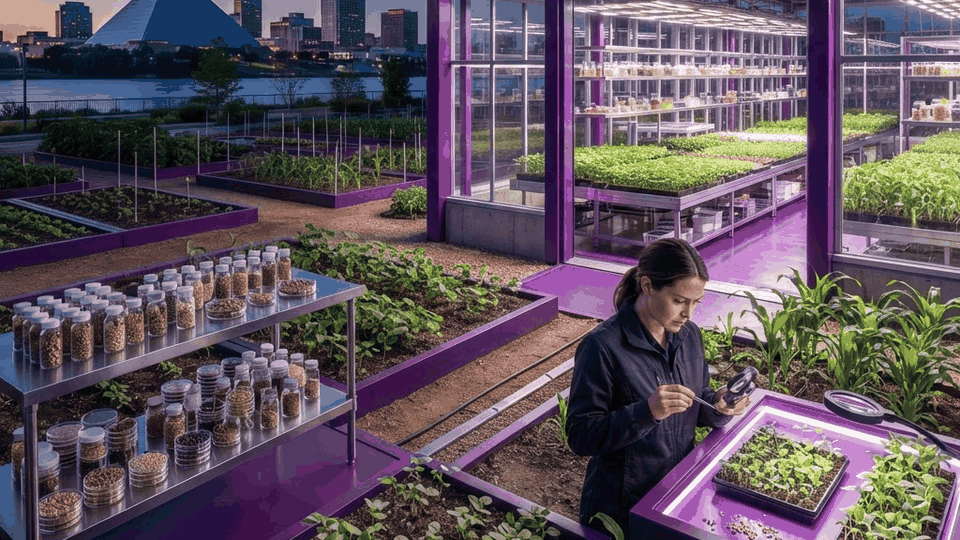
Why Seed Selection Matters in the Delta
Every successful crop begins with a decision made months before harvest: which seed to plant. In the Mississippi Delta around Memphis, where soybeans, corn, cotton, and rice drive the agricultural economy, seed selection is one of the most consequential choices a farmer makes. The right variety, suited to local soil and climate conditions, can significantly improve yield, disease resistance, and profitability.
Seed companies serving the Memphis region understand these regional demands. They provide not only the seed itself but also the agronomic knowledge that helps farmers match varieties to their specific fields, planting dates, and management practices.
What Sets the Best Seed Companies Apart
Leading seed companies distinguish themselves through the performance and reliability of their genetics. Farmers depend on consistent germination, strong emergence, and dependable yields, so companies that rigorously test their varieties under local conditions earn lasting loyalty. Quality control throughout production, cleaning, and treatment ensures that every bag of seed performs as promised.
Agronomic support is equally valuable. The best companies employ knowledgeable representatives who understand Delta agriculture and can advise farmers on variety selection, planting rates, and management strategies. This partnership approach turns a simple purchase into a season-long relationship focused on results.
The Science Behind Modern Seed
Today's seed reflects decades of advances in plant breeding and biotechnology. Modern varieties are developed to resist specific pests and diseases, tolerate environmental stress, and deliver higher yields than earlier generations. Trait technologies allow crops to withstand certain herbicides, giving farmers more flexible weed control options.
Seed treatments add another layer of protection, shielding young plants from early-season threats like insects and fungal diseases. Seed companies that invest in research and offer well-tested, treated products help farmers get their crops off to a strong start, which is often decisive for the entire season.
Matching Varieties to Local Conditions
One of the most important services a seed company provides is guidance on variety selection. The Delta's soils and weather vary from field to field, and no single variety performs best everywhere. Experienced seed advisors help farmers choose varieties suited to their soil type, drainage, planting window, and yield goals.
Maturity groups, disease packages, and stress tolerance all factor into these decisions. Seed companies that maintain local trial data and share honest performance results empower farmers to make informed choices rather than relying on guesswork. This localized expertise is a key reason many growers value regional seed partners.
Sustainability and Seed Innovation
Sustainability is increasingly influencing seed development and selection. Varieties that resist disease and tolerate drought reduce the need for chemical inputs and irrigation, benefiting both the environment and the farmer's bottom line. Seed companies focused on developing resilient, efficient genetics are helping agriculture adapt to changing conditions.
Cover crop seed is another growing area, as more farmers adopt practices that improve soil health and reduce erosion. Companies that offer a broad portfolio, including cash crops and cover crop options, support a more sustainable and diversified approach to farming.
Using Local Trials and Performance Data
Seed decisions are strongest when they combine company data with independent and on-farm trials from similar soils. Farmers should compare multi-year performance rather than choosing the single highest yield from one favorable season. Yield stability, standability, emergence, moisture at harvest, disease response, and performance under stress can be more valuable than headline yield alone.
Small test plots allow growers to evaluate promising genetics without exposing the entire operation to risk. Recording planting date, population, treatment, soil type, rainfall, and management practices makes those comparisons useful. Memphis-area seed representatives who help interpret results honestly, including where a variety performs poorly, demonstrate that they are focused on the farmer's long-term success.
Seed Storage, Handling, and Availability
High-quality seed still requires careful handling. Bags and bulk containers should remain dry, cool, clean, and protected from pests. Lot labels must stay with the product so germination information and treatment details remain traceable. Farmers should inspect deliveries early enough to resolve damaged packaging or quantity discrepancies before planting begins.
Availability becomes critical when weather changes a crop plan or replanting is necessary. Ask suppliers how much regional inventory they maintain, how quickly they can deliver replacement seed, and whether alternate varieties have comparable maturity and agronomic packages. A dependable logistics network around Memphis can prevent costly delays during a narrow planting window.
Comparing Seed Value
Price comparisons should account for seeding rate, germination, treatment, technology fees, expected performance, and any replant policy. The cheapest bag is not necessarily the lowest-cost stand, just as the most expensive genetics are not automatically the best match for every acre. Segmenting fields by productivity can help farmers place premium seed where it has the best chance to return value.
Choosing the Right Seed Partner
Selecting a seed company is about more than price per bag. Farmers should weigh variety performance, agronomic support, seed quality, and the company's track record in the local market. A supplier who understands Delta conditions and stands behind their products can become a trusted advisor season after season.
For growers across the Memphis region, strong seed companies provide the foundation on which profitable harvests are built. By combining proven genetics, reliable quality, and expert guidance, these companies help farmers plant with confidence and reach their full potential each year.