
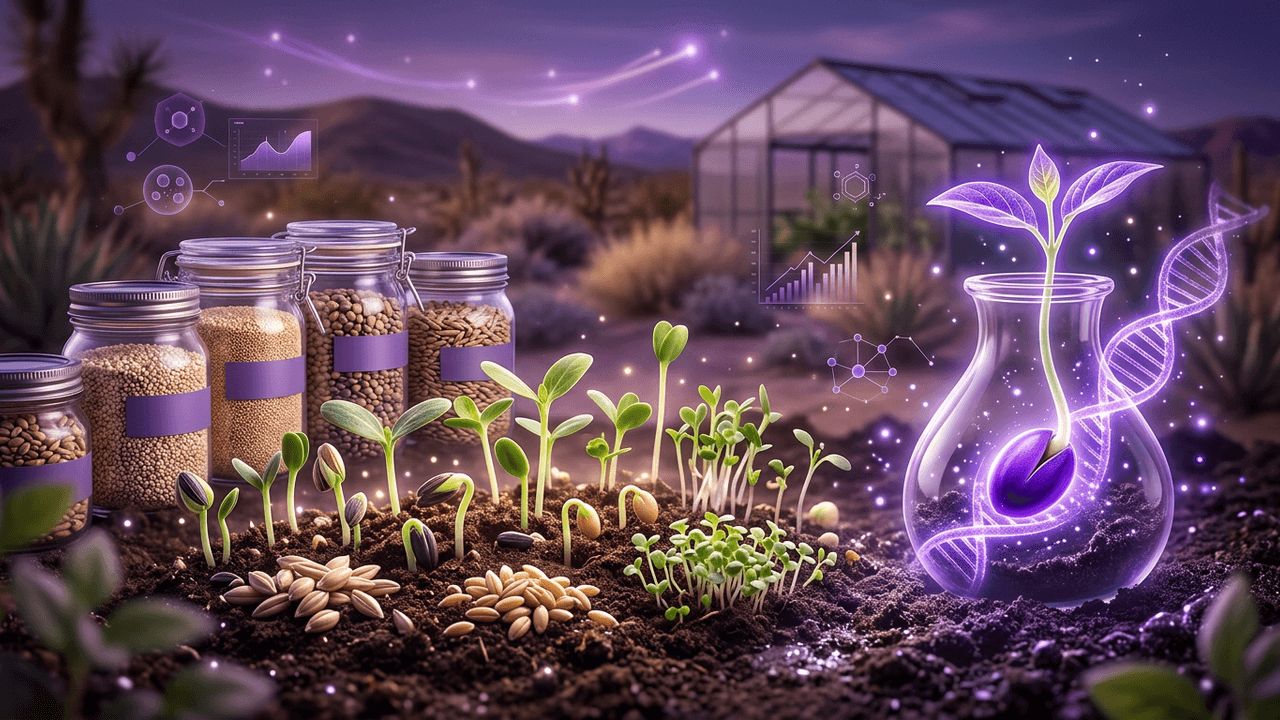
Gardening and Growing From Seed in Hesperia
Hesperia's climate is challenging but rewarding for gardeners. At over 3,000 feet in elevation, the city experiences hot, dry summers, cold winter nights, strong spring winds, and a shorter frost-free season than nearby coastal areas. Choosing seeds bred or adapted for these conditions makes a dramatic difference in success, whether you are growing a backyard vegetable garden, planting a wildflower meadow, or managing a small farm.
The seed companies below offer varieties and expertise well suited to High Desert growers. Some are national leaders, while others specialize in desert-adapted and California native seeds.
What to Look for in a Seed Company
Look for high germination rates, clear growing information, and varieties suited to your climate. Days to maturity is especially important in the High Desert, where late spring frosts and early fall chills limit the season. Many gardeners also value organic certification, non-GMO commitments, heirloom varieties, and companies that support seed saving and biodiversity.
The Top 10 Seed Companies for Hesperia Growers
1. Native Seeds/SEARCH
Native Seeds/SEARCH preserves and distributes seeds of crops traditionally grown in the arid Southwest. Its heat- and drought-adapted beans, corn, squash, and chiles are excellent choices for High Desert gardens.
2. Theodore Payne Foundation
Based in Southern California, the Theodore Payne Foundation specializes in California native plant seeds, including desert wildflowers. It is a fantastic resource for water-wise landscaping and pollinator gardens.
3. Johnny's Selected Seeds
Johnny's is a favorite among small farmers and serious gardeners for its high-quality vegetable, flower, and herb seeds and detailed growing guides. Many of its varieties offer disease resistance and short maturity times.
4. Baker Creek Heirloom Seeds
Baker Creek offers one of the largest selections of heirloom seeds, featuring rare and colorful vegetables from around the world. Gardeners love its open-pollinated varieties for seed saving.
5. Renee's Garden
California-based Renee's Garden provides gourmet vegetable, herb, and flower seeds selected for flavor and performance in home gardens. Its clear packet instructions are ideal for beginners.
6. Burpee
Burpee is one of the most recognized seed brands, offering reliable vegetable and flower varieties widely available at garden centers. Its hybrid tomatoes and peppers are popular choices for High Desert gardeners.
7. Botanical Interests
Botanical Interests is known for beautifully illustrated packets with detailed growing information and a strong selection of organic and heirloom seeds.
8. S&S Seeds
Based in California, S&S Seeds specializes in native and erosion-control seed mixes for restoration, landscaping, and large projects, including desert and dryland mixes suited to the Mojave region.
9. Seed Savers Exchange
Seed Savers Exchange is a nonprofit dedicated to preserving heirloom varieties. Its seeds connect gardeners with generations of agricultural history and genetic diversity.
10. Larner Seeds
Larner Seeds focuses on California native plant seeds and offers guidance for creating habitat gardens. Its wildflower and grass seeds help support local pollinators and wildlife.
Trends in Seeds and Gardening
Water-wise gardening is the most significant trend in the High Desert. Native wildflowers, drought-tolerant herbs, and desert-adapted crops reduce irrigation needs and support local ecosystems. Many homeowners are replacing lawns with native plantings grown from seed.
Seed saving and heirloom gardening are growing in popularity as gardeners seek independence, flavor, and biodiversity. Community seed libraries are also expanding, allowing residents to share locally adapted varieties.
Pollinator gardens are another major trend, with seed mixes designed to attract bees, butterflies, and hummingbirds becoming bestsellers.
Benefits of Choosing Climate-Adapted Seeds
Seeds adapted to arid, high-elevation conditions germinate more reliably, tolerate heat and wind, and require less water. Over time, saving seeds from your best-performing plants creates varieties uniquely suited to your garden's microclimate.
Tips for Starting Seeds in Hesperia
Start warm-season crops like tomatoes and peppers indoors several weeks before the last frost, typically in late April or early May. Use shade cloth during peak summer heat, mulch heavily to conserve moisture, and install windbreaks to protect young plants. Sow wildflower seeds in fall to take advantage of winter moisture.
Preparing High Desert Soil for Seeds
Even the best seeds struggle in poorly prepared soil. Hesperia's native soils are often sandy, low in organic matter, and slightly alkaline, which can limit nutrient availability. Gardeners can dramatically improve results by working in several inches of compost before planting, using raised beds filled with a quality soil blend, and testing pH to guide amendments. Drip irrigation lines placed directly beneath seed rows deliver consistent moisture during germination, which is critical when dry winds can quickly wick water from the surface. Covering newly sown beds with row cover or burlap also helps retain moisture and protects tender seedlings from wind, birds, and sudden temperature drops.
Frequently Asked Questions
When is the last frost in Hesperia? The average last frost usually falls between mid-April and early May, though late cold snaps can occur.
Which vegetables grow best in the High Desert? Tomatoes, peppers, squash, beans, melons, and many herbs thrive in summer, while greens, peas, and garlic do well in cooler seasons.
Are native seeds hard to grow? Some native seeds require cold stratification or fall sowing, but they generally need little care once established.
Conclusion
The best seeds for Hesperia combine quality, climate adaptation, and reliable growing guidance. Whether you are cultivating heirloom tomatoes, desert wildflowers, or a small market farm, the companies above provide excellent options to help your garden flourish in the High Desert.