
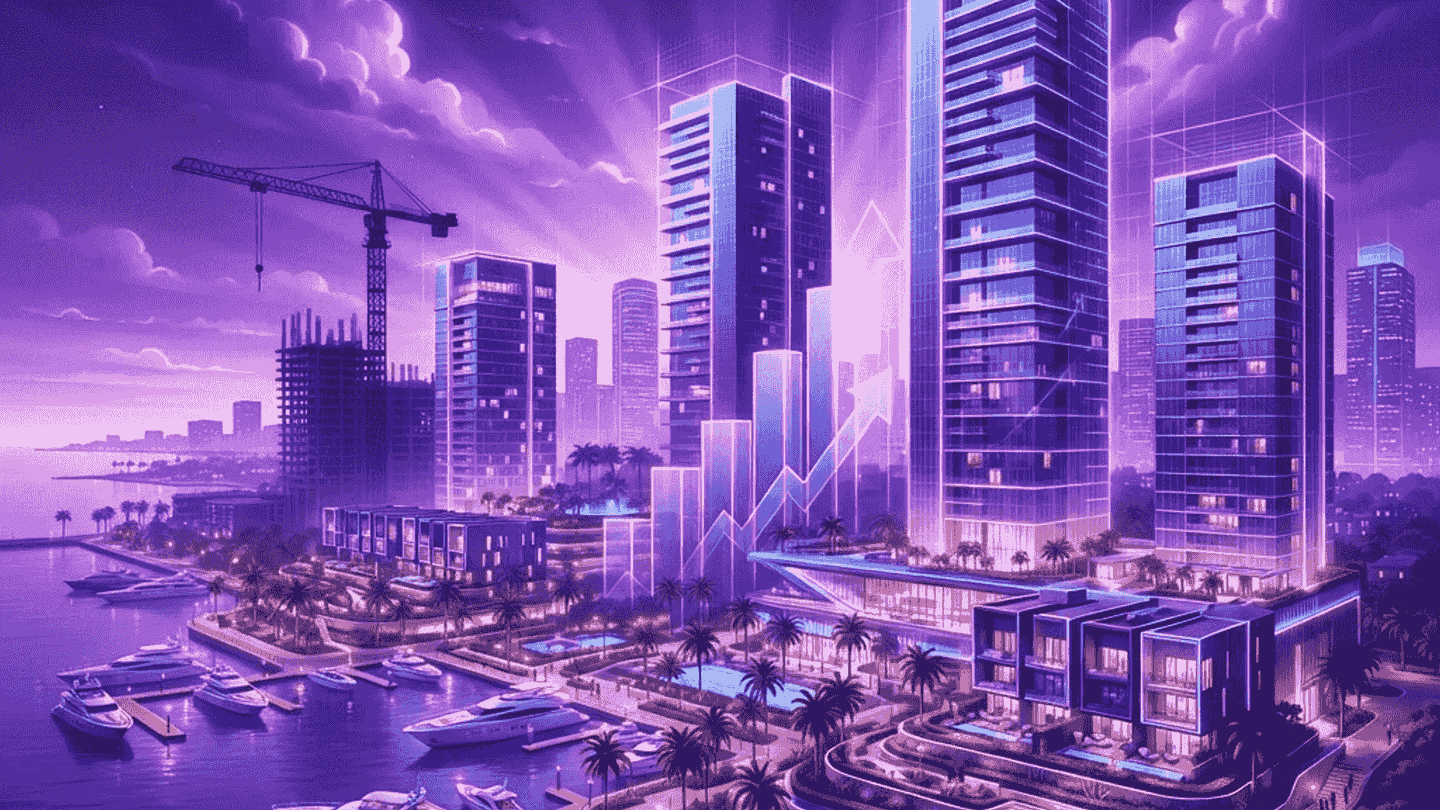
A City in Transition
Long Beach occupies an unusual position in the Southern California housing market. It offers coastal access, a genuine downtown core, a major port economy, and a diverse architectural inventory ranging from Craftsman bungalows in Rose Park to mid-century apartments in Belmont Heights and modern towers along Ocean Boulevard. Prices remain meaningful but generally more attainable than adjacent beach cities, which has attracted sustained residential development interest over the past decade.
State housing legislation has accelerated this activity. Streamlined approval pathways, density bonuses for affordable units, and relaxed accessory dwelling unit rules have unlocked infill development on parcels previously considered impractical. The result is a market where developers pursue several distinct strategies at once: high-density downtown mixed-use, adaptive reuse of older commercial buildings, small-lot subdivision, transit-oriented apartments near the Metro A Line, and gentle density additions throughout established neighborhoods.
Development Categories Active in Long Beach
Downtown mixed-use projects combine ground-floor retail with apartments or condominiums above, typically at higher densities and often with structured parking. Adaptive reuse converts historic commercial and industrial structures into residential units, preserving architectural character while adding housing supply. Transit-oriented development clusters housing near light rail stations with reduced parking ratios.
Infill and small-lot development inserts townhomes and detached homes into vacant or underutilized parcels within existing neighborhoods. Affordable and supportive housing, frequently financed through tax credits and public partnerships, addresses lower income tiers and formerly homeless residents. Finally, accessory dwelling unit construction has become a substantial category, allowing homeowners to add rental units or multigenerational space to existing lots.
The Top 10 Residential Real Estate Developers in Long Beach
1. Long Beach Urban Development Group. Focused on downtown mixed-use projects, this developer combines ground-floor commercial activation with residential density. Its projects are noted for pedestrian-oriented design and integration with existing streetscapes rather than isolated podium blocks.
2. Harbor Coast Residential Partners. Specializing in waterfront and near-shore multifamily development, this firm emphasizes view-oriented design, resilient building materials suited to coastal conditions, and amenity programming for shared outdoor space.
3. Pacific Shoreline Communities. A builder of townhome and small-lot single-family communities in transitional neighborhoods. Its differentiator is contextual architecture that references local vernacular styles instead of importing generic suburban templates.
4. Bixby Knolls Heritage Builders. Concentrating on adaptive reuse and historically sensitive infill, this developer restores older structures while adding residential capacity. Preservation-conscious detailing has earned recognition from local neighborhood associations.
5. Signal Hill Development Company. Active in hillside and view-lot residential development, this firm manages the engineering complexity of sloped sites, including grading, retaining structures, and terraced layouts that maximize outlook.
6. Downtown Long Beach Living. A developer of transit-oriented apartment communities near light rail, offering reduced parking, bicycle infrastructure, and shared amenity spaces aimed at car-light urban households.
7. Naples Island Custom Residences. A boutique developer building high-specification custom homes on the city's island neighborhoods, working with architects on individual commissions rather than repeatable product lines.
8. Los Altos Infill Housing Group. Focused on gentle density in established East Long Beach neighborhoods, including duplexes, accessory dwelling units, and small multiplex conversions consistent with state housing reforms.
9. Port City Affordable Housing Developers. A mission-oriented developer producing income-restricted and supportive housing through public and nonprofit partnerships, combining residential units with on-site services and community space.
10. Shoreline Modern Residential. A design-forward developer producing contemporary multifamily buildings with emphasis on energy efficiency, electrification, and durable material palettes suited to long-term ownership economics.
What to Evaluate in New Construction
Begin with construction quality indicators that are difficult to upgrade later. Window quality and glazing performance, wall and floor sound insulation between units, mechanical system efficiency, and plumbing accessibility all affect comfort and cost for decades. In multifamily buildings, ask specifically about acoustic separation, since it is the most common source of long-term dissatisfaction.
Review the developer's completed portfolio in person rather than through renderings. Visit projects that are three to five years old, because that is when construction shortcuts become visible in corridors, courtyards, and common area finishes. For condominium purchases, examine the homeowners association budget, reserve study, and any pending litigation. Underfunded reserves eventually produce special assessments.
Understand the site context as well. Check proximity to freight corridors, freeway noise, flood and liquefaction zones, and planned nearby development that could alter views or traffic. Verify parking arrangements, since reduced-parking projects can create street competition in dense neighborhoods.
Trends Shaping Local Housing
Electrification and energy performance now drive design decisions, with all-electric buildings, heat pump systems, solar readiness, and improved envelope performance becoming standard rather than premium. Adaptive reuse continues gaining favor for both sustainability and speed, since existing structures can bypass some entitlement friction.
Missing middle housing, meaning duplexes through small multiplexes, is expanding under state legislation, gradually adding supply without dramatically altering neighborhood scale. Build-to-rent communities represent another growing category, offering single-family living without ownership. Finally, climate resilience has entered planning seriously, with attention to sea level projections, heat mitigation through shading and cool materials, and stormwater management.
Final Thoughts
Long Beach's residential development landscape spans downtown density, coastal multifamily, historic adaptive reuse, hillside custom homes, and affordable housing. For buyers and renters, the practical approach is to evaluate developers through their completed work rather than their marketing, scrutinize construction quality where it cannot be changed later, and weigh location fundamentals carefully. The city's ongoing transformation should continue producing meaningful housing choices across price points for years ahead.