
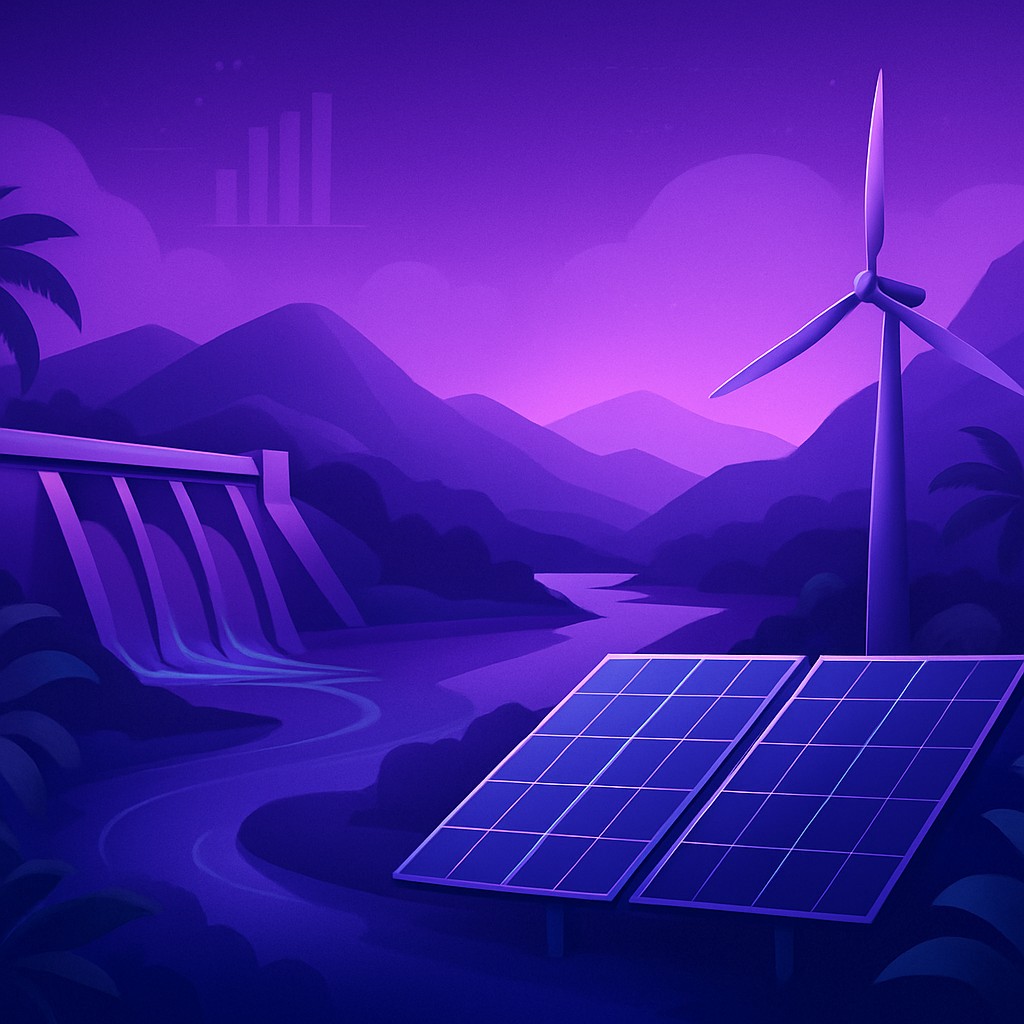
Papua New Guinea's Renewable Energy Potential
Papua New Guinea is endowed with abundant natural resources that make it one of the most promising renewable energy markets in the Pacific. The country's mountainous terrain, high rainfall, strong solar exposure, and geothermal activity create exceptional conditions for hydropower, solar, wind, and geothermal generation. With a large rural population still lacking reliable access to electricity, renewable energy offers a transformative opportunity to expand access while reducing dependence on imported fossil fuels.
The national government has set ambitious targets to increase the share of electricity generated from renewable sources, recognising that clean energy can drive economic development, improve health outcomes, and strengthen energy security. A growing number of companies are rising to meet this challenge, combining technical expertise with a commitment to sustainability.
Why Renewable Energy Matters Here
For many communities in Papua New Guinea, access to electricity remains limited or unreliable. Renewable energy, particularly decentralised solar and micro-hydro systems, can deliver power to remote villages where extending the national grid is impractical. This access supports education, healthcare, small business, and overall quality of life.
Renewable energy also offers environmental benefits, helping to preserve the country's extraordinary biodiversity and reduce greenhouse gas emissions. As global attention turns to climate resilience, Papua New Guinea's clean energy sector is increasingly important both nationally and internationally.
Leading Renewable Energy Companies
PNG Power Limited remains a central player, operating major hydropower assets and investing in the integration of additional renewable sources into the national grid.
Dirio Gas & Power is recognised for diversified energy projects and a growing interest in cleaner generation options that complement the country's transition goals.
PNG Sustainable Energy Limited focuses on hydropower and run-of-river projects, harnessing the country's rivers to deliver reliable baseload electricity.
Niu Power contributes to the energy mix with modern generation facilities and is exploring opportunities to incorporate renewables into its portfolio.
Highlands Hydro develops small and medium hydro schemes in the rugged interior, bringing power to highland communities that have historically been underserved.
Pacific Solar Solutions specialises in solar installations for homes, businesses, and institutions, making clean power accessible across both urban and rural settings.
Bougainville Renewable Energy works on community-scale projects, empowering local populations through sustainable electricity generation.
Geo Pacifica explores the country's significant geothermal potential, particularly in volcanically active regions where steam can drive turbines around the clock.
Coral Coast Clean Energy delivers hybrid systems that combine solar, batteries, and backup generation to provide dependable power in challenging locations.
Momase Green Power rounds out the list with a focus on rural electrification and off-grid solutions tailored to remote communities.
Technologies Driving the Sector
Hydropower has long been the backbone of renewable generation in Papua New Guinea, thanks to the country's rivers and steep terrain. However, solar energy is growing rapidly as costs fall and technology improves, particularly for off-grid and rooftop applications. Geothermal energy holds substantial promise given the country's volcanic geology, while wind and biomass are being explored in suitable locations.
Battery storage is becoming a critical enabler, allowing renewable systems to deliver consistent power despite the variability of sun and rain. Hybrid systems that blend multiple sources are increasingly popular, offering reliability and resilience for communities and businesses alike.
Benefits for Communities and Businesses
Renewable energy companies are delivering tangible benefits across the country. For households, reliable electricity means better lighting, refrigeration, and connectivity. For businesses, it means lower and more predictable energy costs. For the nation, it means reduced reliance on costly diesel imports and progress toward climate commitments.
Many companies also prioritise community engagement, providing training, employment, and local ownership opportunities. This inclusive approach helps ensure that the benefits of clean energy are widely shared and that projects enjoy lasting community support.
Challenges and Opportunities
Despite its promise, the renewable sector faces challenges including financing, infrastructure, and the logistics of working in remote terrain. Nevertheless, falling technology costs, growing international investment, and supportive government policy are creating strong momentum. Companies that can navigate these challenges while delivering reliable service are well placed to thrive.
Partnerships with development agencies and international investors are helping to unlock capital and expertise, accelerating the deployment of clean energy across the country.
Conclusion
Renewable energy represents one of the most exciting frontiers for Papua New Guinea's future. The companies highlighted here are pioneering the transition to clean, reliable power, bringing benefits to communities, businesses, and the environment. As investment and innovation continue to grow, these organisations will play a pivotal role in shaping a more sustainable and prosperous nation.