
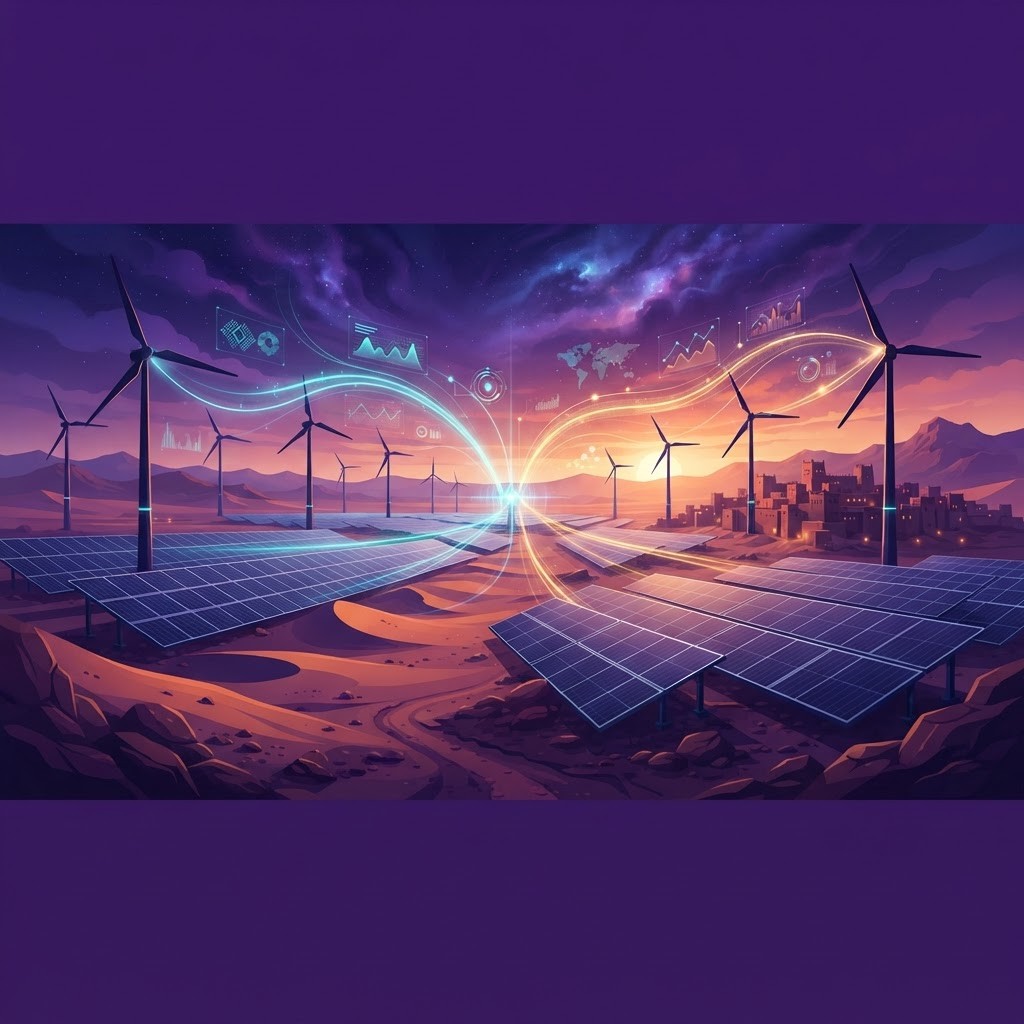
Mauritania's Renewable Energy Landscape
Mauritania sits at the crossroads of extraordinary natural potential. With some of the highest solar irradiation levels on the planet and consistent coastal wind corridors along the Atlantic, the country has become a magnet for renewable energy investment. Over the past decade, national policy has shifted decisively toward diversifying the energy mix, reducing dependence on imported fossil fuels, and positioning Mauritania as a future exporter of green energy and green hydrogen to European markets.
This transformation has attracted a mix of state-backed utilities, international developers, and specialized engineering firms. Together they are building the infrastructure that will power homes, industry, and mining operations across the vast Saharan territory. Below, we profile the companies leading this clean energy revolution.
What Sets Leading Renewable Companies Apart
The strongest renewable energy companies in Mauritania share several defining characteristics. They combine technical expertise with a deep understanding of the harsh desert environment, where dust, heat, and remoteness create real engineering challenges. They also prioritize local capacity building, training Mauritanian engineers and technicians to operate and maintain increasingly sophisticated installations. Finally, they demonstrate long-term commitment through investment in grid integration, energy storage, and community partnerships.
The Top Renewable Energy Companies
Société Mauritanienne d'Électricité (SOMELEC) remains the backbone of the national power system. As the state utility, it has integrated large-scale solar and wind capacity into the grid and continues to expand renewable generation to reach rural communities that were previously off-grid.
Masdar, the Abu Dhabi-based clean energy leader, has played a pioneering role in Mauritania, delivering utility-scale solar photovoltaic projects that significantly boosted the country's renewable share. Its expertise in desert-optimized solar has been particularly valuable.
CWP Global has attracted international attention for its ambitious green hydrogen ambitions in Mauritania, aiming to harness combined solar and wind resources to produce hydrogen at scale for export.
Chariot Limited is another prominent developer advancing large green hydrogen and renewable power initiatives, working with regional partners to unlock the country's export potential.
Infinity Power, a pan-African renewable platform, has expanded into Mauritania with a focus on diversified clean generation and long-term operational excellence.
Vinci Energies contributes advanced engineering, procurement, and construction capabilities, ensuring that renewable installations meet international quality and reliability standards.
Elecnor has been involved in delivering turnkey renewable and transmission infrastructure, strengthening the reliability of clean power delivery across long distances.
GreenWish Partners focuses on developing, financing, and operating renewable assets tailored to West African markets, bringing patient capital and technical rigor.
AMEA Power has demonstrated a strong appetite for African renewable investment, pursuing solar and wind opportunities that align with Mauritania's national energy strategy.
Siemens Energy supports the sector with grid technology, turbines, and integration solutions that help stabilize a power system absorbing growing shares of variable renewables.
Industry Trends Shaping the Future
Green hydrogen is the defining trend in Mauritania's renewable sector. The combination of world-class solar and wind resources positions the country to become a leading exporter of green molecules to Europe and beyond. Several multi-billion-dollar frameworks have been signed, signaling investor confidence in the long-term vision.
Energy storage is also gaining momentum. As renewable penetration rises, batteries and other storage technologies become essential for balancing supply and demand, especially in remote areas and for energy-intensive mining operations. Meanwhile, rural electrification through decentralized solar mini-grids is expanding access to millions who previously lacked reliable power.
Benefits for the Mauritanian Economy
The renewable energy boom brings tangible benefits. It reduces exposure to volatile global fuel prices, strengthens energy security, and creates skilled jobs for a young and growing workforce. Clean energy also supports the country's environmental commitments, cutting emissions while enabling sustainable industrial development. For a nation with such abundant natural resources, renewables represent both an economic opportunity and a path toward energy independence.
Conclusion
Mauritania's renewable energy sector is entering a golden era. The companies profiled here are laying the foundation for a cleaner, more prosperous future, blending international expertise with local ambition. As green hydrogen projects mature and grid infrastructure strengthens, Mauritania is well positioned to become a renewable energy powerhouse for Africa and the wider world.