
Introduction
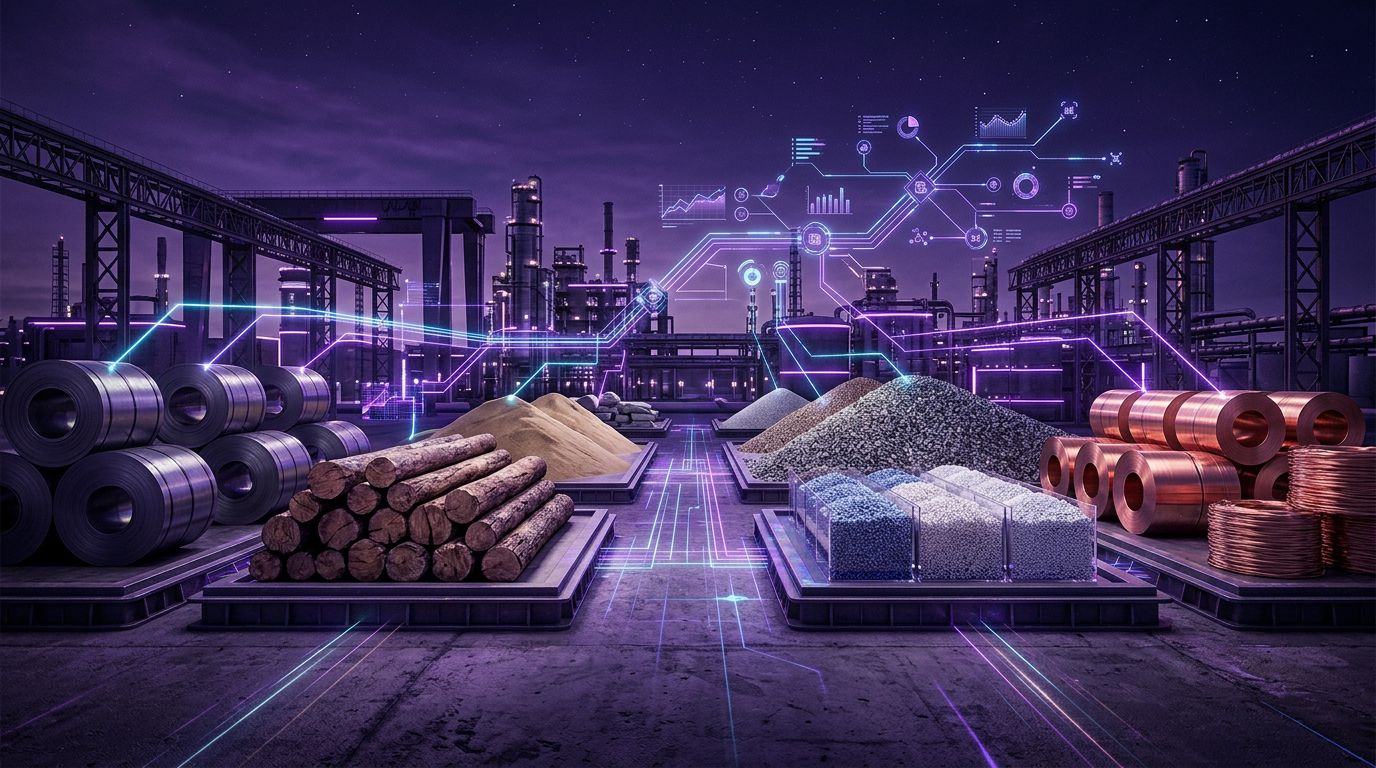
Every product made or built in Tyler begins with raw materials. Concrete needs sand, gravel, and cement. Furniture and homes need timber. Machinery and HVAC systems require steel, aluminum, and copper. Packaging and consumer goods need plastic resins. The availability and price of these inputs directly affect the competitiveness of local manufacturers and contractors.
East Texas enjoys natural advantages, including abundant forests, nearby aggregate deposits, and proximity to Gulf Coast petrochemical production. This guide highlights the ten raw material suppliers that best serve Tyler-area businesses.
Why Raw Material Sourcing Matters in Tyler
Tyler's manufacturing base, including HVAC production, food processing, and metal fabrication, depends on reliable supply chains. Construction growth across Smith County has increased demand for aggregates and cement. Even small businesses, such as custom woodworkers and metal artists, need dependable access to quality materials.
Recent years have shown how supply chain disruptions can delay projects and increase costs. As a result, Tyler businesses increasingly value suppliers with regional production, diverse sourcing, and strong logistics networks.
The 10 Best Raw Material Suppliers Serving Tyler
1. Vulcan Materials
Vulcan Materials is the largest producer of construction aggregates in the United States. Its crushed stone, sand, and gravel supply road building, commercial construction, and residential development throughout Texas, including projects in and around Tyler.
2. Holcim US
Holcim is a global leader in cement and building materials. Its cement products are used in ready-mix concrete, precast components, and infrastructure projects, and the company is investing in lower-carbon cement solutions.
3. Eagle Materials
Eagle Materials produces cement, wallboard, and paperboard. Its Texas operations supply builders and manufacturers with essential construction materials, and its integrated production helps provide stable supply.
4. Weyerhaeuser
Weyerhaeuser is one of the largest private owners of timberlands in North America, including substantial holdings in the South. It supplies logs and wood products that feed sawmills, home builders, and manufacturers, while practicing sustainable forestry.
5. Reliance Steel & Aluminum
Reliance is the largest metals service center company in North America. Through its family of companies, it provides steel, aluminum, stainless, and specialty metals with processing services for manufacturers of all sizes.
6. Olympic Steel
Olympic Steel supplies flat-rolled steel, stainless, and aluminum along with value-added processing. Fabricators and equipment manufacturers rely on its precision cutting and consistent material quality.
7. U.S. Silica
U.S. Silica produces industrial minerals, including commercial silica used in glassmaking, foundries, construction materials, and filtration. Its products are vital inputs for many manufacturing processes.
8. Southwire
Southwire is one of the largest manufacturers of wire and cable in North America. Electrical contractors and equipment manufacturers depend on its copper and aluminum conductors for power distribution and building wiring.
9. Mueller Industries
Mueller Industries manufactures copper tube, fittings, and brass products used in plumbing, HVAC, and refrigeration. Given Tyler's strong HVAC sector, copper tubing suppliers like Mueller play a critical role in local production and installation.
10. Nexeo Plastics
Nexeo Plastics distributes thermoplastic resins from leading producers to plastics processors. Injection molders and extruders rely on its broad resin portfolio and technical support to select the right materials for their products.
How to Evaluate Raw Material Suppliers
Consistency is essential. Request material certifications and specifications to ensure products meet engineering and regulatory requirements. Variations in quality can lead to production defects, safety concerns, or failed inspections.
Assess supply reliability and logistics. Suppliers with regional facilities can often deliver faster and with lower freight costs. Long-term contracts, price agreements, and diversified sourcing can help businesses manage price volatility.
Trends in Raw Material Supply
Sustainability is reshaping raw material production. Lower-carbon cement, recycled metals, certified sustainable timber, and recycled resins are increasingly in demand. Digital ordering and supply chain visibility tools are also helping buyers track shipments and plan production more effectively. These trends support Tyler businesses aiming to reduce environmental impact while maintaining quality.
Frequently Asked Questions
How can manufacturers protect against raw material price swings?
Strategies include negotiating long-term supply agreements, maintaining safety stock, diversifying suppliers, and monitoring market indicators. Some businesses also use index-based pricing to share risk fairly with suppliers.
Are recycled raw materials reliable?
Recycled steel, aluminum, and many plastics meet the same performance standards as virgin materials when properly processed. Many manufacturers choose recycled inputs to lower costs and meet sustainability goals.
Why does local sourcing matter for aggregates?
Aggregates are heavy and relatively low in value per ton, so transportation costs can quickly exceed material costs. Sourcing from nearby quarries keeps construction projects in Tyler more affordable.
What documentation should raw material suppliers provide?
Expect certificates of analysis, mill test reports, or product data sheets that confirm composition and performance. Keeping these records on file simplifies quality audits, customer inquiries, and regulatory inspections.
Final Thoughts
Raw material suppliers form the foundation of Tyler's manufacturing and construction industries. These ten companies deliver quality materials, dependable logistics, and growing commitments to sustainability. By building strong relationships with the right suppliers, Tyler businesses can stay competitive, manage costs, and continue contributing to the growth of East Texas.