
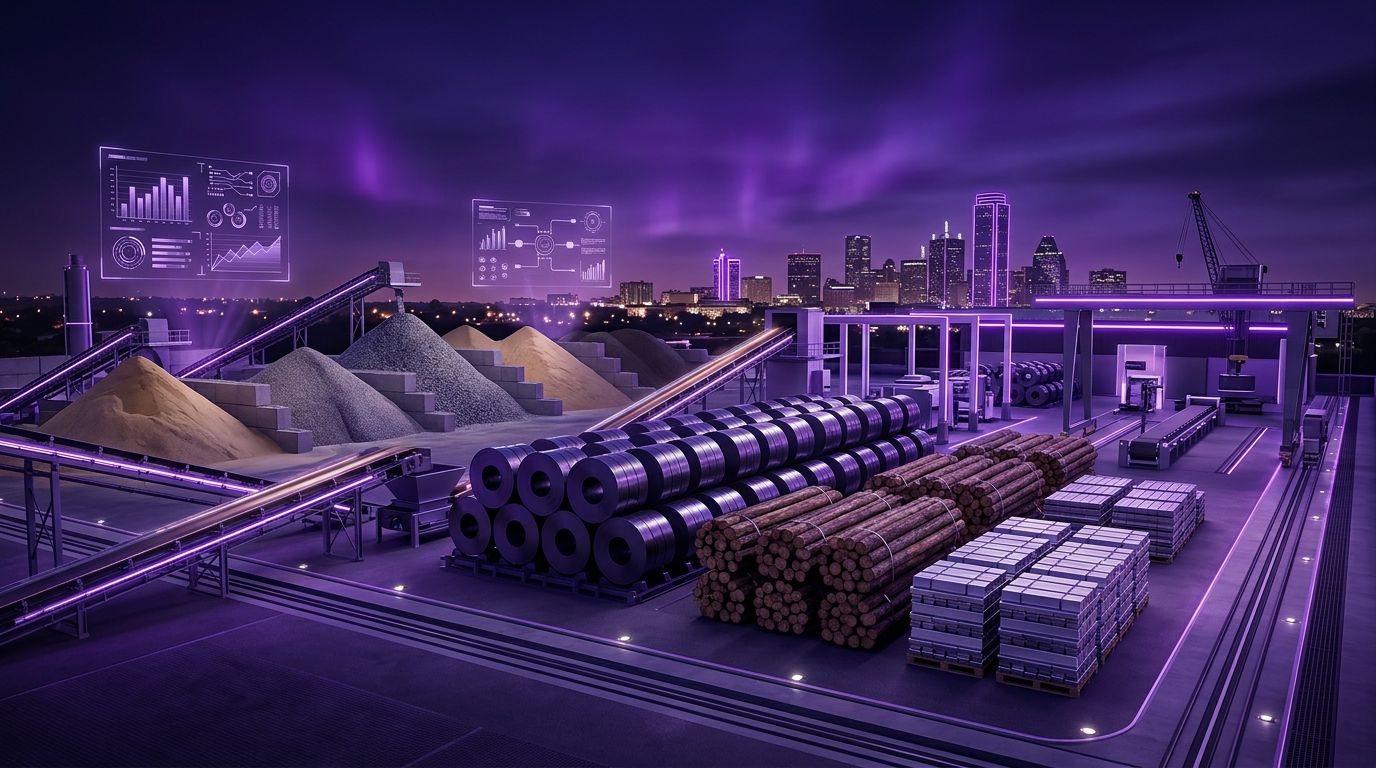
Raw Materials and College Station's Economy
College Station's economy is supported by construction, manufacturing, research, and agriculture. Each of these sectors depends on raw materials. Builders need sand, gravel, cement, and timber. Fabricators require steel and aluminum. Laboratories and manufacturers purchase industrial chemicals. Agricultural businesses need fertilizers and feed ingredients.
Located between major Texas industrial centers, College Station benefits from access to large-scale suppliers with regional distribution networks. Choosing the right raw material supplier ensures quality, cost efficiency, and consistent production.
Why Supply Reliability Matters
Raw material shortages and price swings can delay projects and increase costs. Local businesses need suppliers with stable inventories, transparent pricing, and dependable logistics. Quality certifications and technical support are also critical for manufacturers and engineers.
The Top 10 Raw Material Suppliers Serving College Station
1. Martin Marietta
Martin Marietta supplies crushed stone, sand, gravel, cement, and ready-mix concrete. Its extensive Texas operations provide the foundation materials for roads, buildings, and infrastructure throughout the Brazos Valley.
2. Vulcan Materials
Vulcan Materials is the largest producer of construction aggregates in the United States. Its quarries and distribution yards support highway projects, residential development, and commercial construction.
3. Cemex
Cemex produces cement, ready-mix concrete, and aggregates. Its Texas operations supply builders with materials designed for durability and performance, including lower-carbon concrete options.
4. Commercial Metals Company
CMC produces steel rebar and merchant products from recycled scrap. Its Texas mills and fabrication shops supply contractors with reinforcing steel for foundations and structures.
5. Nucor
Nucor manufactures steel products including bar, sheet, and structural shapes. Its commitment to recycled steel and low-emission production makes it a leader in sustainable materials.
6. Ryerson
Ryerson supplies carbon steel, stainless steel, and aluminum with value-added processing. Manufacturers rely on Ryerson for materials cut and formed to their specifications.
7. Weyerhaeuser
Weyerhaeuser is one of the largest private timberland owners and wood products manufacturers in North America. Its lumber, engineered wood, and timber products supply builders across Texas.
8. Univar Solutions
Univar Solutions distributes industrial chemicals and ingredients to manufacturers, laboratories, and agricultural businesses. Its expertise in regulatory compliance and safe handling adds value for customers.
9. Brenntag
Brenntag provides chemicals and ingredients for manufacturing, food production, and water treatment. Its global sourcing network ensures reliable supply even during market disruptions.
10. Kloeckner Metals
Kloeckner Metals distributes steel and aluminum products with digital ordering tools that improve visibility and efficiency. Fabricators appreciate its responsive service and processing capabilities.
Raw Material Industry Trends
Sustainability is reshaping raw material sourcing. Lower-carbon cement, recycled steel, and responsibly harvested timber are increasingly specified on projects. Digital procurement platforms provide better price transparency and supply tracking. Many companies are also diversifying suppliers to reduce supply chain risk after recent disruptions. Research at Texas A&M into advanced materials and construction technology continues to influence how materials are developed and used.
How to Choose a Raw Material Supplier
Evaluate product quality, certifications, and consistency. Compare pricing structures, delivery options, and lead times. Ask about sustainability credentials and technical support. Consider suppliers with nearby distribution yards or service centers to reduce transportation costs and delays.
Raw Materials Behind Local Growth
It is easy to overlook raw materials, but they sit at the start of every project and product in College Station. A single new subdivision may require thousands of tons of aggregate for roads, large volumes of concrete for foundations and driveways, and significant quantities of lumber and steel for framing and reinforcement. University research buildings demand specialty metals, laboratory chemicals, and high-performance materials. Agricultural businesses need fertilizers, feed ingredients, and fencing materials. Because transportation costs make up a large share of the price for heavy materials like stone and gravel, suppliers with nearby quarries, yards, and service centers offer a real cost advantage to Brazos Valley buyers.
Frequently Asked Questions
Why do aggregate prices vary so much? Aggregate prices depend heavily on transportation distance, fuel costs, and demand from large infrastructure projects.
What is lower-carbon concrete? It uses alternative cementitious materials or optimized mix designs to reduce the carbon emissions associated with traditional cement production.
How can manufacturers reduce supply risk? Qualifying multiple suppliers, maintaining safety stock, and using long-term agreements can protect against shortages and price spikes.
Key Takeaways for Buyers
Businesses in the Brazos Valley get the best value from raw material suppliers by planning purchases around project schedules, ordering early for large jobs, and staying informed about market conditions. Working with suppliers that have nearby facilities lowers transportation costs and improves reliability. Requesting material certifications and test reports ensures quality, while asking about recycled and lower-carbon options can help projects meet modern sustainability requirements. Strong supplier relationships built over time often lead to better pricing, priority allocation during shortages, and valuable technical guidance.
Final Thoughts
Raw materials are the foundation of College Station's growth and industry. These ten suppliers provide dependable access to the aggregates, metals, timber, and chemicals that power construction, manufacturing, and innovation across the Brazos Valley.