
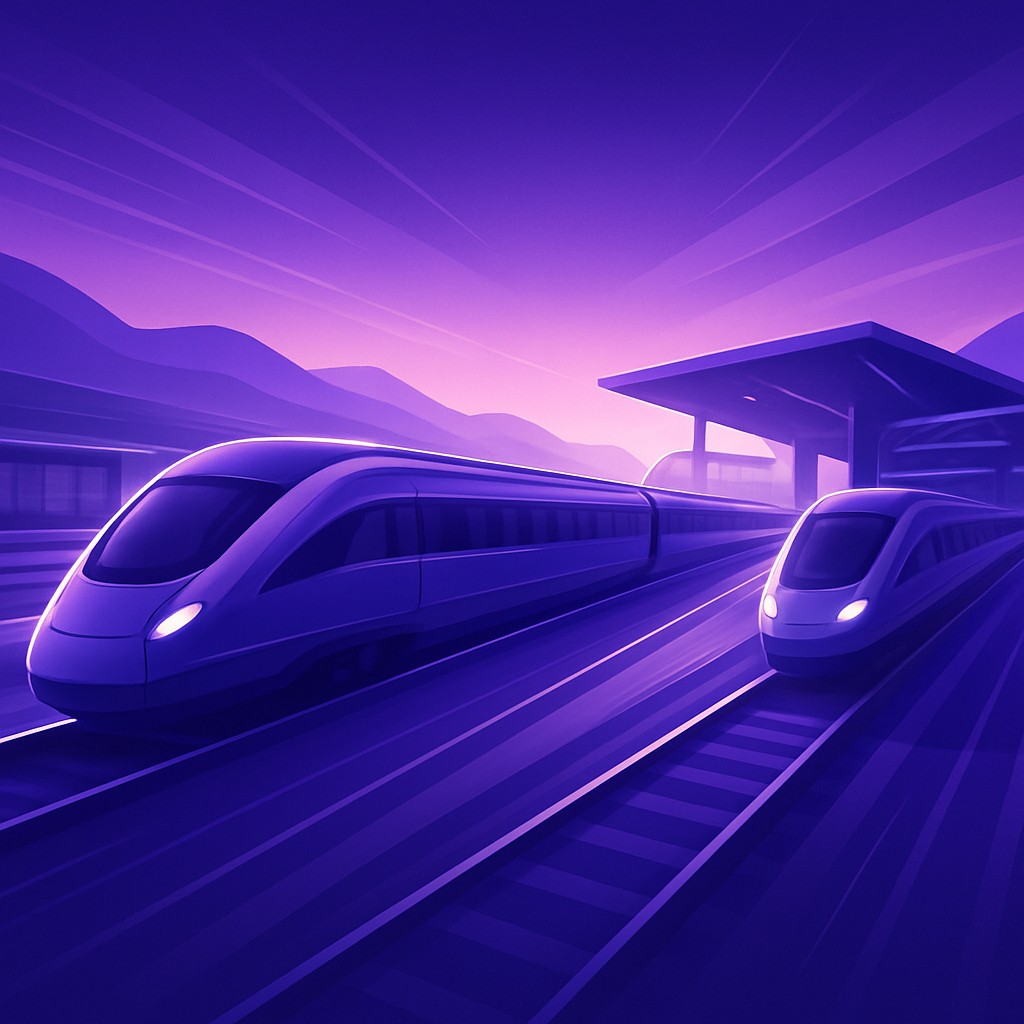
The Revival of Rail Travel in Serbia
Railways have a long and proud history in Serbia, and after decades of underinvestment, the sector is experiencing a remarkable revival. Major modernization projects, most notably the high-speed line connecting Belgrade and Novi Sad, have transformed perceptions of rail travel in the country. With faster, more comfortable trains and upgraded infrastructure, railways are once again becoming an attractive option for both domestic and international journeys.
This renewed momentum reflects broader efforts to position Serbia as a key transit corridor in Southeastern Europe. As investment continues, the railway network is steadily improving, offering travelers a scenic, comfortable, and increasingly efficient alternative to road and air transport.
Key Railway Operators and Entities
The Serbian railway system is organized around several state-owned entities that emerged from the restructuring of the former national railway. Srbija Voz is the primary passenger operator, responsible for domestic and international passenger services across the country. It manages the trains that carry travelers between major cities and to neighboring countries.
Srbija Kargo handles freight transport, playing a vital role in moving goods across Serbia and along regional corridors. Infrastruktura Železnice Srbije manages and maintains the rail infrastructure itself, including tracks, stations, and signaling. Together, these organizations form the backbone of the national rail system. The flagship Soko high-speed service between Belgrade and Novi Sad has become a symbol of the country's railway renaissance, showcasing modern trains and dramatically reduced journey times.
The High-Speed Transformation
The introduction of high-speed rail has been a landmark development for Serbia. The Belgrade-Novi Sad line, served by modern trains, has slashed travel times between the two largest cities, making rail the fastest and most convenient option on that route. The success of this line has generated enthusiasm for extending high-speed services further, with plans to connect additional cities and cross-border destinations.
These modern trains offer comfortable seating, smooth rides, and reliable schedules, setting a new standard for rail travel in the country. The transformation demonstrates how strategic investment can revitalize a transport mode that many had written off, attracting passengers back to the railways.
Domestic and International Services
Serbia's railways connect major cities and towns, offering travelers a relaxed way to see the countryside. Domestic services link Belgrade with Novi Sad, Niš, Subotica, and other destinations, while regional lines reach smaller communities. The scenic nature of many routes adds to the appeal, making rail travel as much an experience as a means of transport.
Internationally, Serbian railways connect to neighboring countries, providing cross-border links that serve both travelers and freight. As regional cooperation and infrastructure investment continue, these international connections are expected to strengthen, enhancing Serbia's role as a transit hub.
What Makes Rail Travel Appealing
Rail travel offers distinct advantages that are drawing passengers back. Comfort is a major draw, with modern trains providing spacious seating, smooth journeys, and the freedom to move around during travel. The scenic routes through Serbia's varied landscapes make for a relaxing and enjoyable experience, particularly compared to driving.
Affordability and environmental friendliness further enhance the appeal. Train tickets are generally economical, and rail is among the greenest forms of transport, aligning with growing environmental awareness. For city-center to city-center travel, trains can also be more convenient than flying or driving.
Scenic and Heritage Rail Experiences
Beyond practical transport, Serbia offers some genuinely memorable rail experiences that attract enthusiasts and tourists alike. The famous Šargan Eight, a narrow-gauge heritage railway near Mokra Gora, winds through tunnels and over bridges in a remarkable figure-eight loop, delivering breathtaking mountain views and a nostalgic journey into the past. It has become one of the country's most beloved tourist attractions.
Other scenic routes carry passengers through river valleys, rolling hills, and picturesque countryside, turning the journey itself into a highlight of any trip. These heritage and scenic services celebrate Serbia's rich railway tradition while showcasing its natural beauty. For travelers who appreciate slow travel and authentic experiences, they offer a charming counterpoint to the speed and efficiency of the modern high-speed lines.
Trends and Future Developments
The modernization of Serbia's railways is set to continue, with ongoing investment in new lines, upgraded infrastructure, and modern rolling stock. The success of the high-speed Belgrade-Novi Sad line is driving ambitions to extend fast services to other major cities and international destinations, promising even shorter journey times in the future.
Digitalization is also improving the passenger experience, with online ticketing and better information systems making travel more accessible. As these developments unfold, rail is poised to play an increasingly important role in Serbia's transport network, supporting both mobility and sustainability goals.
The Future of Serbian Railways
Serbia's railway sector stands at an exciting turning point. Decades of decline are giving way to renewal, driven by strategic investment and a clear vision for modern, efficient rail transport. The flagship high-speed service has proven that travelers will embrace rail when it offers speed, comfort, and reliability.
For visitors and residents alike, the railways now offer a compelling way to travel through Serbia, combining comfort, affordability, and scenic beauty. As modernization continues across the network, rail travel is set to become an even more integral and attractive part of getting around this dynamic and evolving country.