
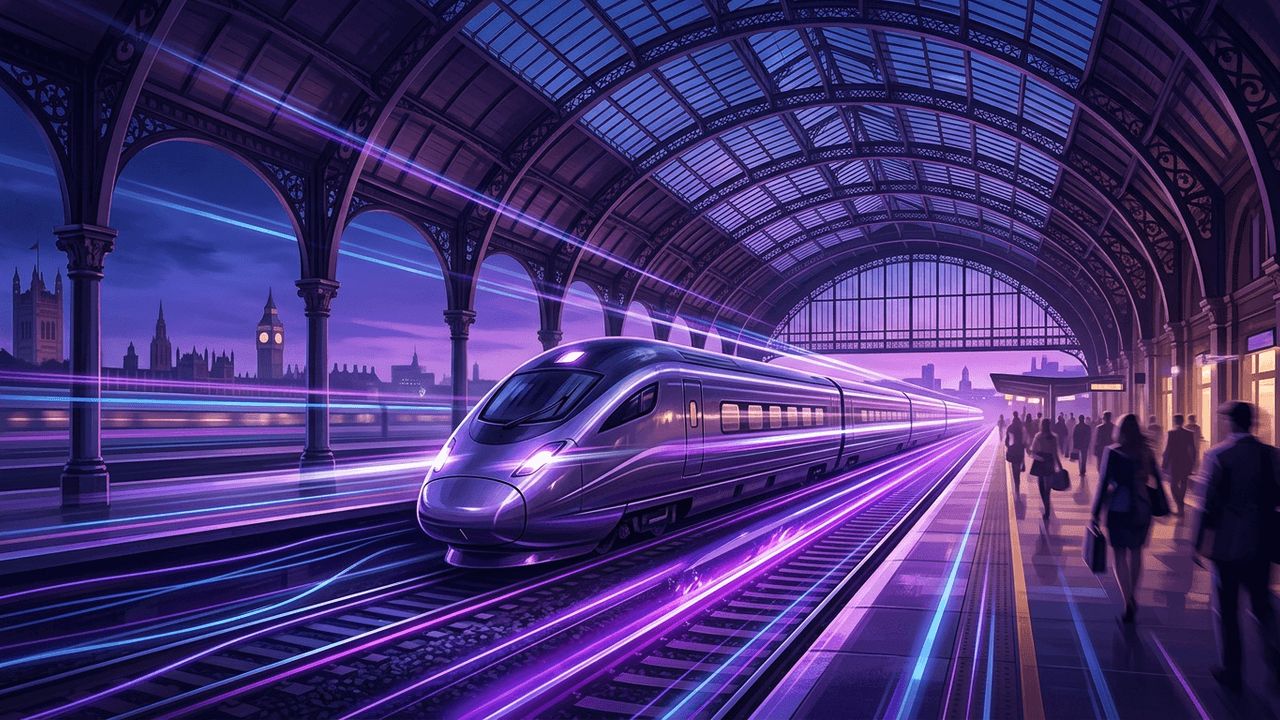
London's Remarkable Rail Network
London is the birthplace of the underground railway and remains one of the most rail-dependent cities in the world. Every day, millions of passengers travel on underground lines, overground services, light rail and mainline trains connecting suburbs, commuter towns and major cities. Grand terminals such as King's Cross, St Pancras International, Paddington, Waterloo and Liverpool Street are landmarks in their own right.
The rail landscape is also undergoing significant change, with ongoing reforms bringing many services into public ownership and a more integrated national structure. Despite these changes, passengers continue to experience distinct brands with their own trains, routes and service styles. Here are ten of the best railway operators serving London.
How We Selected These Operators
We considered reliability, frequency, comfort, connectivity, accessibility, customer service and investment in modern trains. The list includes urban metro services, airport links, intercity operators and international rail.
1. London Underground
The London Underground, known affectionately as the Tube, is the oldest underground railway in the world. Its network of lines serves hundreds of stations across the city, with high-frequency services on core routes. Ongoing upgrades, including new signalling and modern trains, continue to improve capacity and reliability.
2. Elizabeth line
The Elizabeth line has transformed travel across London since opening, linking Reading and Heathrow in the west with Shenfield and Abbey Wood in the east. Its spacious, air-conditioned trains and step-free stations offer a modern travel experience. It has significantly reduced journey times between key business districts.
3. London Overground
London Overground provides orbital and radial services across the capital, connecting neighbourhoods without passing through central London. Its lines, now named individually with distinct identities, serve areas such as Hackney, Croydon, Richmond and Stratford. Frequent services and modern trains have made it popular with commuters.
4. Docklands Light Railway
The Docklands Light Railway serves east and south-east London, including Canary Wharf, Greenwich and the Royal Docks. Its automated, driverless trains offer elevated views of the city. New trains are increasing capacity on this important network for one of London's fastest-growing areas.
5. Eurostar
Eurostar connects London St Pancras International with Paris, Brussels, Amsterdam and other European destinations. High-speed trains through the Channel Tunnel provide a comfortable, city-centre to city-centre alternative to flying. Its premium classes offer meals and lounge access for business and leisure travellers.
6. Heathrow Express
Heathrow Express provides a fast, non-stop service between London Paddington and Heathrow Airport. With frequent departures and a short journey time, it is a convenient option for travellers prioritising speed. Its comfortable trains and onboard facilities make airport travel stress-free.
7. LNER
LNER operates intercity services from London King's Cross along the East Coast Main Line to destinations such as York, Newcastle and Edinburgh. Its Azuma trains offer comfortable seating, power sockets and onboard catering. LNER is known for strong customer service and convenient connections to the north.
8. Great Western Railway
Great Western Railway runs services from London Paddington to the west of England and South Wales, including Bristol, Bath, Cardiff and Cornwall. Its Intercity Express Trains provide a modern travel experience. GWR also operates sleeper services to Cornwall, offering a memorable way to travel.
9. Southeastern
Southeastern operates commuter and high-speed services between London and Kent. Its high-speed trains on HS1 provide rapid journeys from St Pancras to destinations such as Ashford, Canterbury and the Kent coast. Southeastern serves thousands of daily commuters into London Bridge, Charing Cross, Cannon Street and Victoria.
10. Thameslink
Thameslink runs cross-London services connecting Bedford, Cambridge, Peterborough and Luton with Gatwick Airport and Brighton. Its central core through St Pancras, Farringdon, City Thameslink and Blackfriars provides valuable north-south connectivity. Its spacious trains and high frequencies make it a key part of the network.
Trends in London Rail
Rail reform is reshaping the industry, with a more integrated structure and growing public ownership of passenger services. Contactless and pay-as-you-go ticketing are expanding further across the South East. Investment in accessibility, digital signalling and new trains continues. International rail is also attracting interest, with plans to expand cross-Channel services and competition.
Tips for Rail Travel in London
Use contactless payment or Oyster cards within London fare zones to benefit from daily and weekly capping. Book long-distance tickets in advance for the best fares, and consider railcards for discounts. Check for planned engineering works, particularly at weekends. Avoid peak times where possible for a more comfortable journey.
London's Great Railway Terminals
London's mainline stations are destinations in their own right. St Pancras International, with its restored Victorian Gothic architecture and vast glass roof, is home to Eurostar and high-speed services to Kent. King's Cross, next door, features a dramatic modern concourse and serves routes to the north and Scotland. Paddington, designed by Isambard Kingdom Brunel, connects London with the west and Heathrow. Waterloo is one of the busiest stations in the country, serving the south-west, while Liverpool Street links the City with East Anglia and the Elizabeth line. Each station reflects a distinct chapter in Britain's railway history.
Final Thoughts
London's railway operators provide a lifeline for residents, commuters and visitors. From the historic Tube and the transformative Elizabeth line to international journeys on Eurostar, rail remains the fastest and most sustainable way to travel in and beyond the capital.