
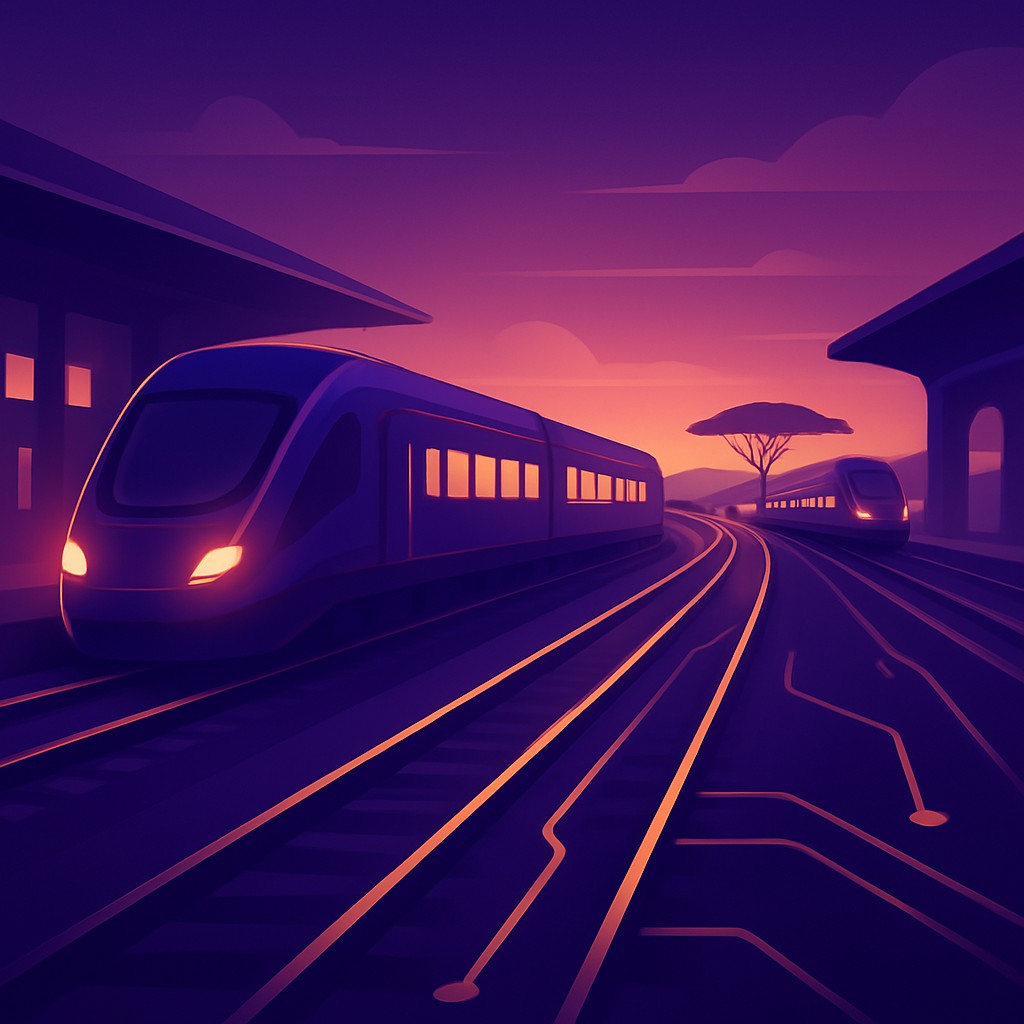
A Railway Renaissance in Angola
Angola's railway network carries deep historical significance and renewed strategic importance. Built in the colonial era to connect interior resources with coastal ports, the country's rail lines suffered extensive damage during decades of conflict. In recent years, substantial investment in reconstruction and modernization has revived these vital corridors, positioning rail transport as a cornerstone of national development and regional trade.
The three principal lines, the Luanda Railway, the Benguela Railway, and the Mocamedes Railway, traverse vast distances, linking the Atlantic coast to mineral-rich interior regions and neighboring countries. Railway operators managing these networks play an essential role in moving freight, minerals, and passengers efficiently across challenging terrain.
What Makes a Strong Railway Operator
Effective railway operation demands reliability, safety, and operational efficiency at scale. Leading operators maintain well-functioning rolling stock, adhere to rigorous safety standards, and coordinate complex schedules for both freight and passenger services. The ability to handle heavy mineral cargo while also serving passenger needs reflects the versatility required in this sector.
Infrastructure maintenance is central to performance. The best operators invest in track upkeep, signaling systems, and station facilities to ensure consistent, safe service. Strong integration with ports and other transport modes amplifies the value railways provide to the wider economy.
Key Railway Operators and Networks
The Caminho de Ferro de Benguela (CFB), or Benguela Railway, is among the most significant operators, running a critical corridor from the port of Lobito to the eastern borders and onward toward the mineral regions of neighboring countries. This line is central to the Lobito Corridor, a major trade route for copper and other minerals.
Caminho de Ferro de Luanda (CFL) operates the northern network connecting the capital with the interior, serving both passenger and freight needs. Caminho de Ferro de Mocamedes (CFM) manages the southern line linking the port of Namibe with the Huila and Cuando Cubango regions.
These primary national operators work alongside affiliated freight handlers, mineral transport partners, regional rail service units, port-rail integration teams, and corridor management consortiums that collectively support the efficient functioning of Angola's expanding railway system.
Trends Driving Rail Development
The Lobito Corridor initiative represents one of the most transformative developments in African rail in recent years, attracting significant international investment to enhance freight capacity and connect Angola's ports to landlocked mineral economies. This has elevated the strategic importance of railway operators and spurred modernization across the network.
Upgrades to rolling stock, signaling technology, and station infrastructure are improving reliability and capacity. There is also increasing focus on integrating rail with port and road logistics to create seamless multimodal transport solutions that reduce costs and transit times.
The Road Ahead for Angolan Railways
As Angola continues to invest in its railway infrastructure, the sector is poised to become an even more powerful driver of trade and regional integration. For businesses moving bulk goods and minerals, railways offer a cost-effective and increasingly dependable alternative to road transport. With revitalized corridors and ongoing modernization, Angola's railway operators are helping to reconnect the nation and unlock new economic opportunities across the region.