
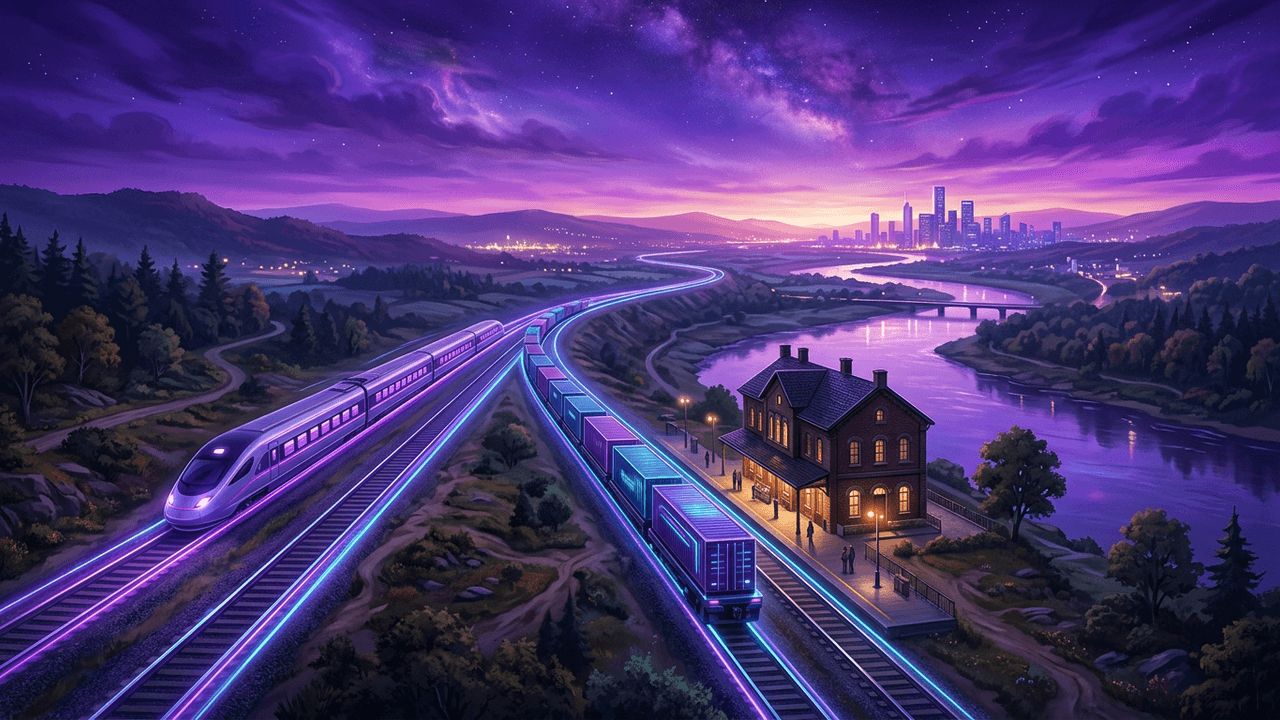
Ann Arbor's Railroad Heritage
Railroads have shaped Ann Arbor since the nineteenth century, when the arrival of the Michigan Central Railroad connected the young town to Detroit and the growing West. The historic stone depot near the Huron River, now home to a well-known restaurant, is a reminder of that era. Today, rail remains an important part of the city's transportation mix, providing intercity passenger service and carrying freight for manufacturers, farmers, and distributors across the region.
Ann Arbor sits along the Michigan Line, a key corridor between Detroit and Chicago, and is crossed by a north-south rail line connecting toward Toledo and northern Michigan. Below are ten railway operators and rail organizations that play important roles in and around Ann Arbor.
How Rail Service Works in the Region
Rail in Michigan involves a mix of passenger operators, large national freight carriers known as Class I railroads, smaller regional and short line railroads, and public agencies that own or fund key infrastructure. Understanding these roles helps travelers and shippers choose the right service.
The Top 10 Railway Operators Serving Ann Arbor
1. Amtrak
Amtrak operates the Wolverine service, which stops at Ann Arbor's station and connects the city with Detroit, Pontiac, Kalamazoo, and Chicago. Many students, faculty, and business travelers use the Wolverine for comfortable trips to Chicago, enjoying Wi-Fi, spacious seating, and the ability to work during the journey. Improvements along the corridor have enabled higher speeds on portions of the route.
2. Michigan Department of Transportation
The Michigan Department of Transportation is not a train operator, but it plays a critical role. The state owns much of the Michigan Line between Dearborn and Kalamazoo and supports passenger rail service through funding and infrastructure investment, including track upgrades that improve reliability and speed.
3. Norfolk Southern
Norfolk Southern is a major Class I freight railroad with a significant presence in Michigan. It provides freight service along portions of the Detroit-Chicago corridor and connects Michigan industries to markets throughout the eastern United States, carrying automotive parts, finished vehicles, and industrial goods.
4. CSX Transportation
CSX operates an extensive freight network in the eastern United States, including lines in Michigan. It serves manufacturers, chemical producers, and distribution centers, offering carload and intermodal services that connect the region to East Coast ports and beyond.
5. Canadian National Railway
Canadian National, known as CN, operates rail lines in Michigan and connects the state with Canada through cross-border routes. Its network supports trade between Michigan and Canadian markets, which is especially important for the automotive industry.
6. Canadian Pacific Kansas City
Canadian Pacific Kansas City, known as CPKC, operates a single-line rail network connecting Canada, the United States, and Mexico. With a presence in the Detroit area, it offers Michigan shippers efficient access to North American trade corridors.
7. Ann Arbor Railroad
The Ann Arbor Railroad, a short line operated as part of the Watco family of companies, runs between the Toledo area and Ann Arbor. It serves local industries and connects them to larger Class I railroads, providing the first and last mile of rail freight service.
8. Great Lakes Central Railroad
Great Lakes Central Railroad operates a regional network in Michigan's Lower Peninsula, including lines extending north from the Ann Arbor area. It serves agricultural, industrial, and forest product customers and has also offered occasional passenger excursions.
9. Huron and Eastern Railway
Huron and Eastern Railway operates short line service in Michigan's Thumb region and central areas, moving agricultural products such as grain and sugar beets. It plays an important role in Michigan's agricultural economy and connects with larger freight networks.
10. Lake State Railway
Lake State Railway operates freight service across parts of northern Lower Michigan. It supports industries such as manufacturing, forest products, and energy, and connects customers to national rail networks.
The Future of Rail in Ann Arbor
Passenger rail advocates have long envisioned expanded service in Southeast Michigan, including more frequent trips between Ann Arbor and Detroit and commuter options for the region's growing workforce. Ongoing discussions about station improvements in Ann Arbor reflect rising ridership and the need for modern facilities. Meanwhile, freight railroads continue to invest in technology, such as precision scheduling and safety systems, to improve efficiency and reliability.
Benefits of Rail for Travelers and Shippers
For travelers, rail offers a relaxing alternative to driving or flying, particularly for trips to Chicago, where downtown-to-downtown travel avoids airport security and traffic. For shippers, rail is highly fuel-efficient for moving heavy or bulky goods over long distances, often reducing both costs and carbon emissions compared with trucking. Combined with intermodal services, rail can be a powerful component of a sustainable supply chain.
Tips for Using Rail Services
Book Amtrak tickets early for the best fares, especially during university breaks and holidays. Arrive at the Ann Arbor station with time to spare, as parking can fill up. For businesses, consult short line railroads about access to rail sidings and transload facilities, which can open rail options even for companies without direct track access.
Final Thoughts
From Amtrak's Wolverine service to national and regional freight carriers, railways remain vital to Ann Arbor's connectivity and economy. Whether you are traveling to Chicago or shipping goods across North America, these operators keep Tree Town on track.