
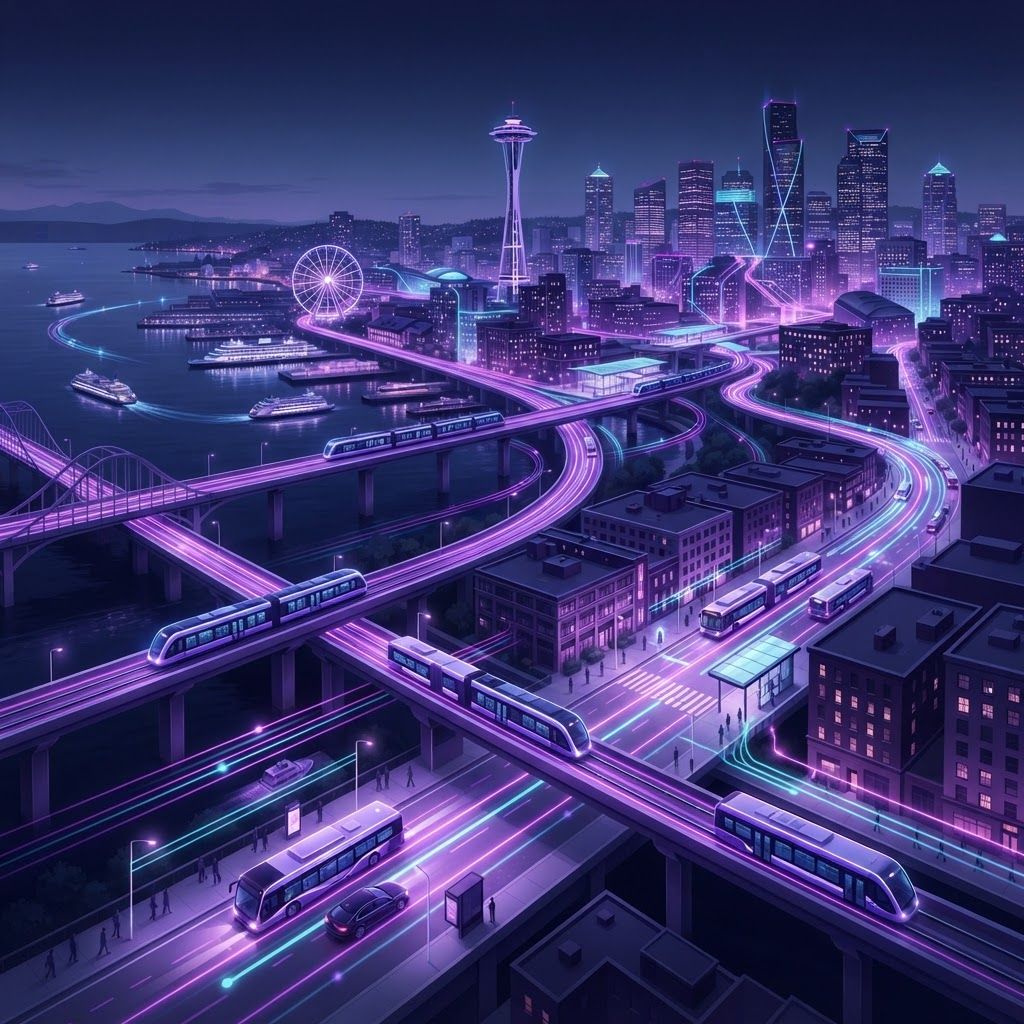
Seattle's Integrated Transit Network
Seattle has built one of the nation's most progressive public transit systems, connecting diverse neighborhoods and enabling car-free living for many residents. The integration of buses, light rail, and ferry services creates a comprehensive transportation network. Investment in transit infrastructure reflects the city's commitment to sustainability and urban livability. Regular expansion projects continuously improve connectivity and service frequency.
Light Rail System Development
The light rail network represents Seattle's most significant recent transit investment. Modern trains connect downtown Seattle to neighborhoods north and south, reducing travel times and traffic congestion. Stations feature modern amenities, real-time arrival information, and bicycle parking. The expanding network continues growing toward the airport and new residential areas, making light rail increasingly central to the region's transportation strategy.
Comprehensive Bus Networks
Bus services form the backbone of Seattle's transit system, reaching every neighborhood with frequent service. Rapid bus routes connect major corridors with limited stops, reducing travel times significantly. Neighborhood routes provide local connectivity with shorter intervals. All-day frequent routes ensure reliable transportation during peak and off-peak hours. Real-time bus tracking apps help customers plan efficient journeys.
Ferry Service Connectivity
For residents and workers in Seattle's island communities and waterfront areas, ferry services provide essential connections. Modern ferries offer comfortable seating, café services, and scenic views during transit. Walk-on and vehicle options accommodate different transportation needs. Ferry schedules coordinate with other transit services, creating seamless multi-modal journeys.
Transit Payment Systems
Unified payment systems simplify using Seattle's diverse transit options. Contactless payment cards and smartphone applications enable quick, convenient boarding. Monthly pass options reduce costs for regular commuters compared to individual fares. Fare discounts support students, seniors, and low-income residents, ensuring equitable access to transportation.
Accessibility and Universal Design
Wheelchair-accessible buses, light rail cars, and stations ensure transit accessibility for passengers with mobility challenges. Audio and visual announcements help passengers with sensory disabilities navigate routes confidently. Accessible parking at stations and stops accommodates visitors and commuters. Continuous improvements address accessibility feedback from the disability community.
Park-and-Ride Facilities
Park-and-ride facilities enable drivers to transition to transit for downtown commutes. Large parking areas near light rail and bus stations reduce pressure on downtown parking infrastructure. Covered bike parking encourages multimodal commuting combinations. These facilities attract suburban commuters who might otherwise drive into congested urban areas.
Real-Time Information and Trip Planning
Digital tools help customers navigate Seattle's transit system efficiently. Online trip planners calculate optimal routes combining multiple transit modes. Mobile applications provide real-time arrival information, service alerts, and trip history. Stop-level displays show next bus arrivals, enabling better schedule coordination. Information accessibility reduces travel anxiety and encourages transit use.
Service Reliability and On-Time Performance
Reliability metrics demonstrate Seattle's commitment to dependable transit service. Most routes maintain on-time performance exceeding ninety percent. Service improvements address chronic delay locations through targeted investments. Transparent communication about service interruptions keeps customers informed. Compensation programs address extended service disruptions.
Transit-Oriented Development
Strategic development around transit stations concentrates housing, employment, and services near transit access. Mixed-use developments near light rail stations create vibrant neighborhoods while reducing driving necessity. Affordable housing prioritization near transit improves accessibility for lower-income residents. This development pattern reduces overall transportation costs and environmental impact.
Environmental and Sustainability Benefits
Public transit significantly reduces individual carbon footprints compared to personal vehicle commuting. Electric buses and renewable energy sources power increasingly large portions of the transit network. Congestion reduction from high transit usage improves overall air quality. Climate-friendly transportation infrastructure aligns with Seattle's environmental leadership and sustainability commitments.
Future Expansion and Improvements
Ongoing transit expansion plans promise enhanced connectivity and coverage. Proposed light rail extensions will serve additional neighborhoods and regional destinations. Bus rapid transit projects will improve travel speeds on major corridors. Investment in sustainable vehicle technology continues making transit cleaner and more efficient. Community input shapes planning priorities ensuring transit serves neighborhood needs effectively.