
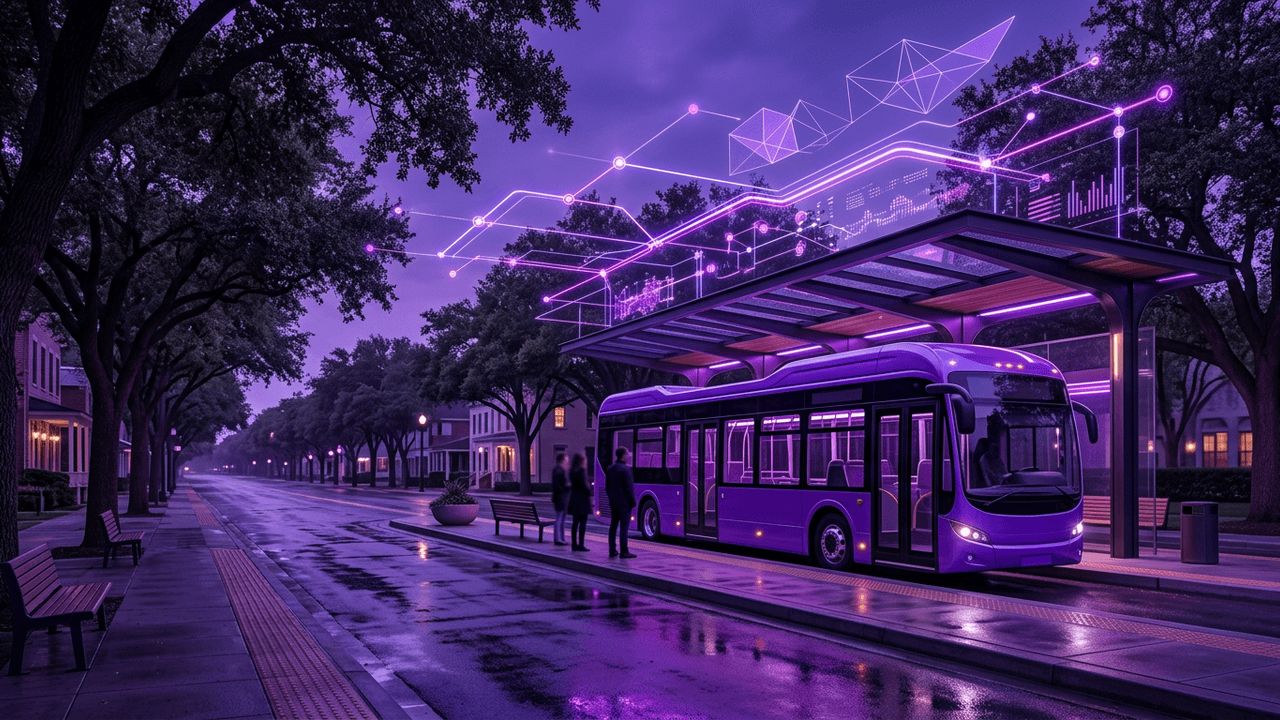
Public Transportation in San Angelo
Public transit plays an essential role in San Angelo, even in a city where many residents drive. Students, seniors, people with disabilities, workers without reliable vehicles, and visitors all depend on transit to reach jobs, classes, medical appointments, and shopping. Affordable, accessible transportation strengthens the local economy and helps residents stay independent.
The backbone of the system is the Concho Valley Transit District, which provides fixed-route buses in the city and demand-response service across the region. Combined with intercity buses, taxis, rideshare, and active transportation options, residents have more mobility choices than they might expect.
How We Chose These Services
We focused on accessibility, affordability, coverage, reliability, and how well each service fills transportation needs in San Angelo and the surrounding Concho Valley.
The Top 10 Public Transit and Mobility Services
1. Concho Valley Transit District Fixed Routes
The Concho Valley Transit District operates scheduled bus routes throughout San Angelo, connecting neighborhoods with downtown, shopping centers, medical facilities, and schools. Affordable fares and discounted passes for students, seniors, and riders with disabilities make it an economical option for daily travel.
2. Concho Valley Transit Paratransit Service
For riders whose disabilities prevent them from using fixed-route buses, the transit district provides ADA paratransit service. Trips are scheduled in advance and offer curb-to-curb transportation, ensuring that every resident can access essential destinations.
3. Concho Valley Transit Rural Service
The transit district also serves rural communities across the Concho Valley with demand-response service. Residents in smaller towns can schedule rides into San Angelo for medical appointments, shopping, and other needs, a vital lifeline in a region with long distances between communities.
4. Angelo State University Campus Transportation
Angelo State University students benefit from campus-focused transportation options and partnerships that help them get around the university area and the city. Students should check with the university for current shuttle routes and transit pass programs.
5. Greyhound Lines
For intercity travel, Greyhound connects travelers from the region to cities across Texas and the nation. It is an affordable option for students heading home, military personnel, and visitors traveling without a car.
6. Red Ball Taxi and Shuttle
Red Ball Taxi and Shuttle complements public transit with scheduled shuttle trips, including airport transportation. It is useful for travelers who need door-to-door service outside regular bus hours.
7. Yellow Cab of San Angelo
Yellow Cab provides traditional taxi service for trips that buses cannot easily handle, such as late-night rides or urgent appointments. Residents can call ahead to schedule pickups.
8. Uber and Lyft
Rideshare services fill gaps in transit coverage, especially during evenings and weekends. Some riders combine bus trips with rideshare for the first or last leg of their journey, creating a flexible and affordable commute.
9. Concho River Walk and Trail Network
Active transportation is an important part of the mobility picture. The Concho River Walk and connected trails, including the Red Arroyo Trail, provide safe, scenic routes for walking and cycling. For short trips, these paths offer a healthy alternative to driving.
10. Hotel and Airport Shuttles
Many San Angelo hotels offer shuttles to and from San Angelo Regional Airport. Visitors arriving without a car can often rely on these services for convenient transportation upon arrival and departure.
Benefits of Public Transit
Public transit reduces transportation costs, especially for households that would otherwise need multiple vehicles. It decreases traffic congestion and emissions, supports access to employment, and allows seniors and people with disabilities to maintain independence. For students, transit provides affordable access to campus, jobs, and entertainment.
Tips for Riding Transit in San Angelo
Review route maps and schedules before your trip, and plan to arrive at your stop a few minutes early. Ask about reduced fares if you are a student, senior, or rider with a disability. For paratransit and rural service, schedule trips well in advance. During summer, bring water and wear sun protection while waiting at stops.
Challenges and Improvements
Like many mid-size cities, San Angelo faces challenges such as limited service frequency, long distances, and lower population density. However, investments in technology, route planning, and accessible vehicles continue to improve the rider experience. Real-time bus tracking and mobile payment options are increasingly common in transit systems across Texas, making transit more convenient.
The Future of Mobility in San Angelo
As the city grows, demand for efficient transportation will continue rising. Expanded trail networks, improved bus service, on-demand microtransit, and better integration between transit and rideshare could reshape how residents get around. Community feedback and ridership play a major role in guiding these improvements.
Conclusion
San Angelo's public transit and mobility services provide vital connections for residents and visitors alike. From the Concho Valley Transit District's buses and paratransit to intercity coaches, taxis, rideshare, and scenic trails, there are many ways to get around without relying solely on a personal car. Exploring these options can save money and open up new ways to experience the city.