
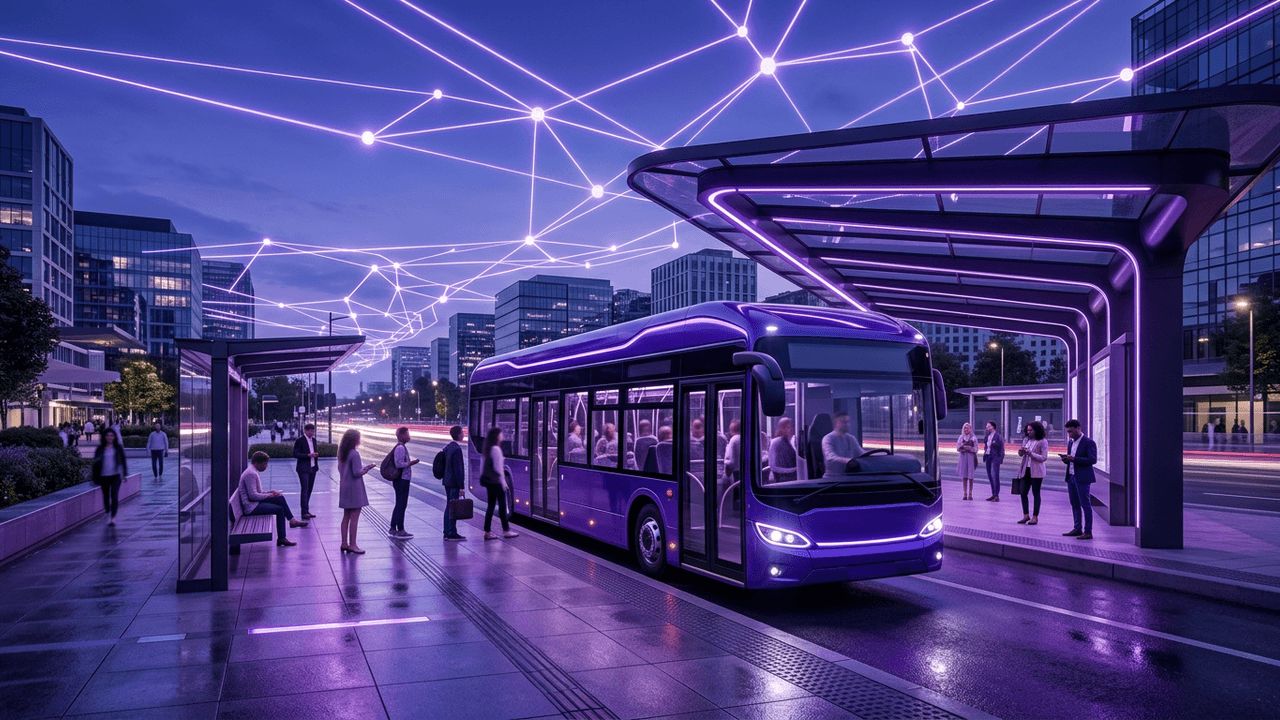
Public Transit in a Fast-Growing Suburb
Round Rock has historically been a car-oriented community, shaped by its suburban development and proximity to Interstate 35. As the population has surged, however, traffic congestion has increased, and demand for public transportation alternatives has grown. Residents, commuters, students, and older adults increasingly seek transit options that are affordable, reliable, and convenient.
Round Rock is not a full member of the Capital Metropolitan Transportation Authority, so its transit system is a mix of city-operated services, contracted regional connections, and nearby options in neighboring communities. Understanding these services helps residents make the most of the choices available.
Why Public Transit Matters
Public transit reduces traffic congestion, lowers transportation costs, and provides mobility for people who cannot or prefer not to drive. It also supports environmental goals by reducing emissions. For commuters heading to downtown Austin, transit can turn a stressful drive into productive or relaxing time.
The Top 10 Public Transit Services for Round Rock Residents
1. Round Rock Transit Fixed Routes
The City of Round Rock operates local bus routes that connect key destinations such as downtown, shopping centers, medical facilities, and higher education campuses. These routes provide affordable access to daily needs for residents without cars.
2. Round Rock Demand-Response and Paratransit Service
For older adults and riders with disabilities, Round Rock offers demand-response and ADA paratransit services. Riders schedule trips in advance for door-to-door transportation within the service area.
3. CapMetro Express Connections
Through partnerships with Capital Metro, express bus service has connected Round Rock park-and-ride locations with downtown Austin and the University of Texas. These routes are designed for weekday commuters seeking to avoid highway traffic.
4. CapMetro Rail Red Line
The Red Line commuter train runs from Leander to downtown Austin. Many Round Rock residents drive to nearby stations, such as those in the northwest suburbs, to catch the train for a predictable ride into the city.
5. CapMetro Bus Network
Once in Austin, riders can transfer to Capital Metro's extensive bus network, including high-frequency MetroRapid lines. Its mobile app supports trip planning and digital fare payment.
6. CARTS
The Capital Area Rural Transportation System serves communities throughout the region surrounding Austin, including parts of Williamson County. CARTS offers scheduled and demand-response services that connect smaller towns with larger cities.
7. GoGeo in Georgetown
Georgetown's local fixed-route system serves destinations throughout the neighboring city. Round Rock residents who work, study, or shop in Georgetown can benefit from this service when traveling north.
8. Vanpool and Commute Programs
Regional vanpool programs allow groups of commuters to share a van for daily trips to work, splitting costs and reducing traffic. Regional commute programs also provide ride-matching tools and incentives for carpooling.
9. Park-and-Ride Facilities
Park-and-ride lots in and around Round Rock let commuters leave their cars and board express buses or carpools. These facilities are an essential link between suburban neighborhoods and regional transit.
10. Project Connect and Future Regional Transit
Austin's Project Connect plan includes expanded rail and rapid bus service. While primarily focused on Austin, regional planners continue to discuss how future improvements could better connect Round Rock and other suburbs along the Interstate 35 corridor.
Trends in Regional Transit
Microtransit, an on-demand shared ride service booked through an app, has become a popular solution for suburbs where traditional fixed routes are less efficient. Transit agencies are also adopting electric buses, contactless fare payment, and real-time arrival information. Regional planning organizations are studying long-term solutions for the Interstate 35 corridor, including potential high-capacity transit connecting suburbs with Austin.
Growth in employment centers outside downtown Austin is also shifting commute patterns, prompting planners to consider suburb-to-suburb connections rather than just routes into the city.
Tips for Using Transit
Check schedules carefully, as suburban routes often run less frequently than urban lines. Download trip-planning apps to view real-time information and purchase fares. Arrive at park-and-ride lots early, as popular lots can fill during peak periods. Riders needing paratransit should register in advance and book trips as early as permitted.
Frequently Asked Questions
Is Round Rock part of Capital Metro?
Round Rock is not a full member of Capital Metro. Instead, the city operates its own services and partners with regional providers for select connections, such as express commuter routes.
Can I take public transit from Round Rock to downtown Austin?
Yes, commuters can use express bus connections, park-and-ride facilities, or drive to commuter rail stations. Service is primarily focused on weekday peak hours, so check schedules before traveling.
Are there transit options for seniors and people with disabilities?
Yes. Round Rock offers demand-response and ADA paratransit services, and regional providers such as CARTS also offer accessible transportation options.
Final Thoughts
Public transit options in Round Rock continue to evolve alongside the city's growth. By combining local routes, regional connections, commuter rail, and shared commute programs, residents can reduce driving, save money, and enjoy a less stressful journey across Central Texas.