
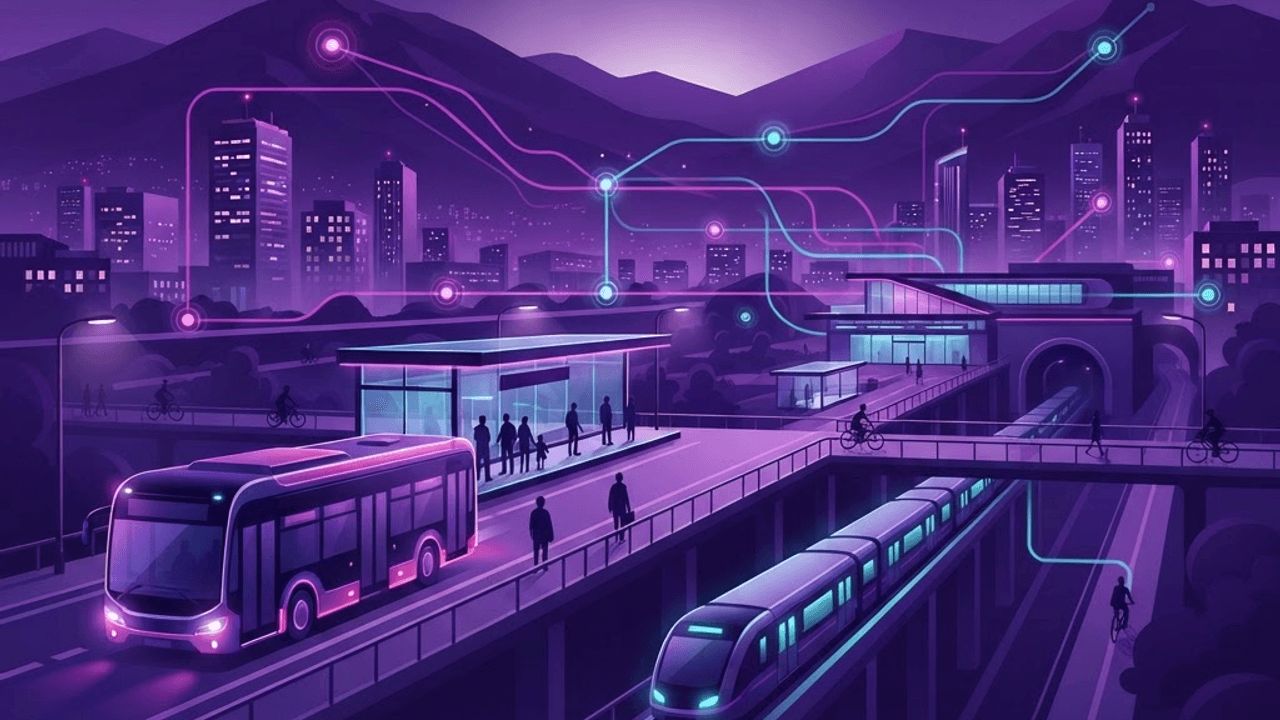
Transit in a Suburban Landscape
Rancho Cucamonga was built during an era of automobile-oriented planning, which makes the development of its transit network genuinely notable. The city now supports commuter rail connections, regional bus routes, on-demand microtransit, accessible paratransit, and active transportation infrastructure. For students, seniors, commuters, and households choosing to own fewer vehicles, these options matter enormously.
Transit here also serves an economic function. The region's warehouses, medical centers, retail districts, and schools employ large numbers of people whose work schedules do not align neatly with traditional commuting patterns. Services that extend into early mornings and evenings expand access to those jobs.
The Top 10 Public Transit Services and Options
1. Inland Empire Regional Bus Network
The backbone of local transit, operating fixed routes along major corridors including Foothill Boulevard, Haven Avenue, and Baseline Road. Frequency is strongest during peak hours, and connections to neighboring cities are well coordinated.
2. Metrolink Commuter Rail Connection
Rail service linking the city to downtown Los Angeles and other regional destinations. For commuters facing freeway congestion, rail offers predictable travel times and the ability to work or rest during the trip.
3. Cucamonga Microtransit On-Demand
App-based shared rides within defined zones, filling the gap between fixed routes and personal vehicles. Particularly useful for first-mile and last-mile connections to rail stations and major bus stops.
4. Foothill Express Commuter Routes
Limited-stop express service connecting residential areas to employment centers with fewer intermediate stops, cutting travel time substantially for longer trips.
5. Access Paratransit Services
Door-to-door transportation for riders with disabilities who cannot use fixed-route service. Vehicles are lift-equipped and drivers receive specialized assistance training.
6. Senior Community Shuttle
Low-cost shuttles serving senior centers, medical facilities, grocery stores, and community programs. Predictable schedules and social familiarity make these routes popular among older residents.
7. Victoria Gardens Circulator
A local loop connecting the civic center, shopping district, and nearby residential areas, reducing short car trips and easing parking pressure during busy periods.
8. Student Transit Pass Program
Discounted or bundled transit access for college and high school students, significantly improving educational access for young people without vehicles.
9. Pacific Electric Trail Active Transportation
The regional multi-use trail supports walking, cycling, and micromobility along a corridor that crosses the city, functioning as genuine transportation infrastructure rather than recreation alone.
10. Regional Vanpool Programs
Employer-supported vanpools serving logistics and industrial workplaces, organized around shift schedules that fixed-route transit struggles to serve efficiently.
Making Transit Work for You
Plan trips using real-time arrival information rather than printed schedules, since traffic conditions affect bus timing. Monthly passes almost always beat single-ride fares for regular users, and many employers subsidize transit benefits. Combining modes, such as cycling to a rail station or using microtransit to reach an express route, often produces the fastest overall journey.
Accessibility and Equity
Transit accessibility extends beyond wheelchair lifts. Clear signage, audio announcements, reduced fares for seniors and people with disabilities, and reliable paratransit scheduling all determine whether the system is genuinely usable. Local providers have made steady progress in these areas, though scheduling lead times for paratransit remain a common constraint.
Trends Shaping Local Transit
Three developments stand out. Zero-emission bus fleets are being phased in across California, improving air quality in a region that has historically struggled with it. On-demand microtransit is proving more cost-effective than low-ridership fixed routes in suburban areas. And mobility hubs that integrate rail, bus, bike parking, and rideshare pickup in a single location are becoming the preferred model for station design.
The Case for Using Transit
Beyond cost savings on fuel, parking, and vehicle maintenance, transit reduces congestion and emissions in a region where both are serious concerns. For many households, shifting even a portion of weekly trips to transit produces meaningful financial and environmental benefits without requiring a complete lifestyle change.
Getting Started as a New Rider
The first transit trip is the hardest, and most people abandon the idea before attempting it. A practical approach is to trial a single low-stakes journey on a weekend rather than attempting a weekday commute immediately. Learn the payment method in advance, identify your stop location precisely, and note the return schedule before departing.
Fare systems have simplified considerably, with contactless payment and mobile ticketing now widely supported. Passes and transfer agreements often allow travel across multiple operators on a single fare product, which is worth confirming for journeys that cross jurisdictional boundaries.
Transit and Household Economics
The financial case is stronger than most households assume. Beyond fuel, a vehicle carries insurance, registration, maintenance, depreciation, and parking costs that accumulate quietly. Families able to shift from three vehicles to two, or from two to one, often free up a meaningful share of monthly income. Even partial substitution, such as using rail for a weekday commute while keeping a car for weekends, reduces mileage-driven costs and wear substantially while cutting daily freeway stress.
Final Thoughts
Public transit in Rancho Cucamonga is more capable than its suburban reputation suggests. Commuter rail, regional buses, microtransit, paratransit, and trail infrastructure together create a workable network. Learn the options relevant to your routine, take advantage of pass programs, and combine modes for the most practical results.