
The Backbone of Philadelphia Mobility
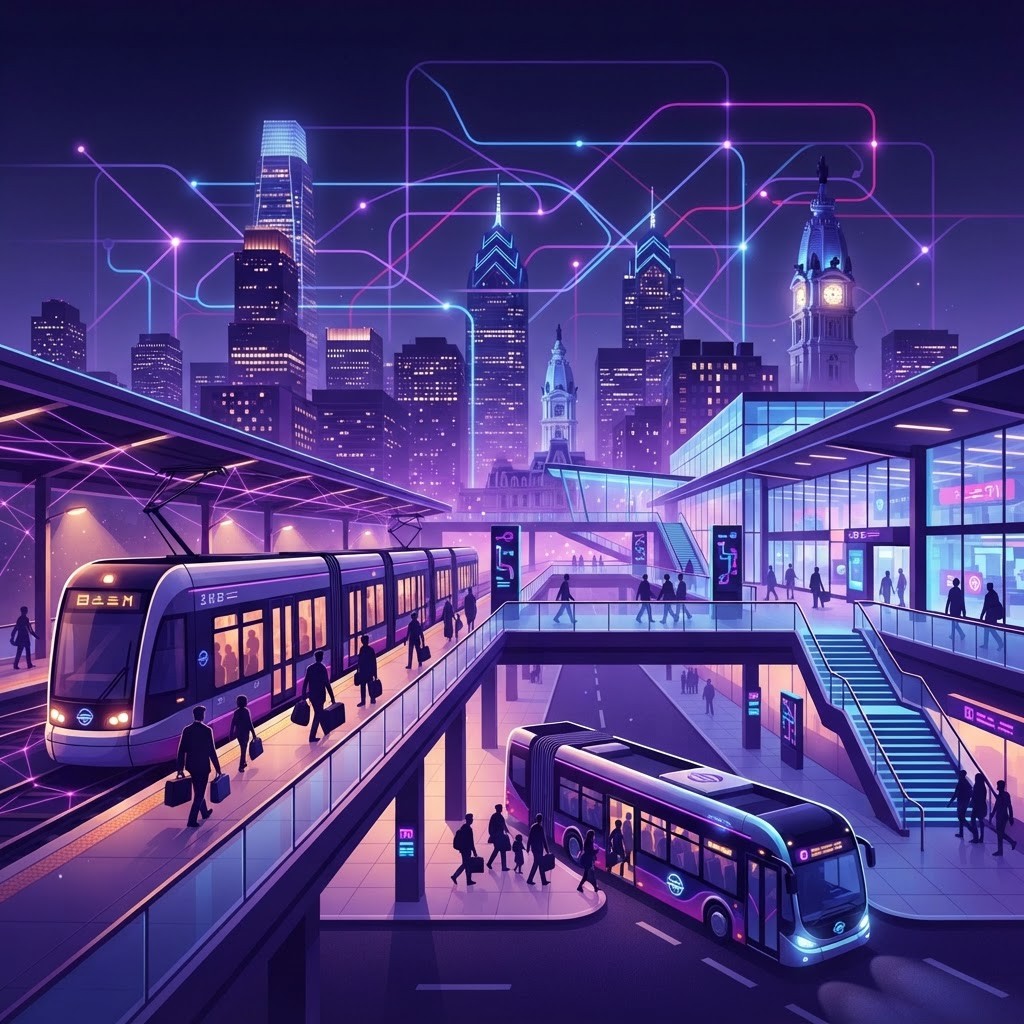
Public transit is the lifeblood of Philadelphia's daily rhythm. With one of the most extensive transit systems in the United States, the city offers residents and visitors numerous ways to get around without a car. Subways, trolleys, buses, and regional rail weave together into a network that connects historic neighborhoods, business districts, universities, and suburban communities. This robust system reduces traffic congestion, lowers emissions, and makes the city more accessible to everyone.
Philadelphia's commitment to public transit reflects its dense, walkable character and its history as a pioneering American city. For commuters, students, and tourists alike, transit provides an affordable and efficient alternative to driving. Understanding the range of services available helps riders navigate the region with confidence and ease.
The Range of Transit Options
Public transit in Philadelphia encompasses several modes, each serving distinct needs. Subway and elevated lines provide fast travel along major corridors, moving large numbers of passengers efficiently. Trolleys and light rail serve neighborhoods with frequent stops and convenient connections. Buses offer the most extensive coverage, reaching areas beyond the reach of rail.
Regional rail links the city with its suburbs, providing a comfortable commute for those traveling longer distances. Complementary services such as paratransit ensure accessibility for riders with disabilities. Together, these options form an integrated system that supports mobility across the entire region.
Leading Transit Providers
SEPTA, the Southeastern Pennsylvania Transportation Authority, is the dominant force in Philadelphia public transit. It operates the Market-Frankford Line and Broad Street Line subways, an extensive bus network, historic trolley routes, and Regional Rail service connecting the city to its suburbs. SEPTA's reach and frequency make it central to daily life for millions of riders.
PATCO, the Port Authority Transit Corporation, operates a high-speed line connecting Center City Philadelphia with communities in South Jersey, offering a fast and reliable cross-river commute. NJ Transit extends bus and rail service across the Delaware River into New Jersey, linking the region to a broader network. Amtrak provides intercity rail from 30th Street Station for longer journeys along the Northeast Corridor.
Complementing these major providers, SEPTA CCT Connect delivers essential paratransit service for riders with disabilities. The Phlash tourist trolley offers a convenient way for visitors to explore major attractions, while Indego, the city's bike-share program, integrates seamlessly with transit for first-and-last-mile trips. University shuttle systems and regional commuter services round out a comprehensive transit ecosystem.
Benefits of Public Transit
Public transit offers numerous advantages for individuals and the community. For riders, it provides an affordable way to travel, eliminating the costs of parking, fuel, and vehicle maintenance. Transit also reduces the stress of driving in traffic, allowing commuters to relax, read, or work during their journey. For the city, robust transit eases congestion and improves air quality.
Transit fosters economic vitality by connecting workers to jobs and customers to businesses. It also promotes equity, ensuring that people of all income levels have access to reliable transportation. As environmental awareness grows, public transit stands out as a sustainable choice that benefits everyone.
Technology and Rider Experience
Philadelphia's transit providers have embraced technology to enhance the rider experience. Contactless payment systems and reloadable fare cards make paying simple and convenient. Real-time arrival information, available through apps and station displays, helps riders plan their trips and reduce wait times. Trip-planning tools integrate multiple modes for seamless journeys.
Ongoing modernization efforts include accessibility improvements, station upgrades, and new vehicles that offer greater comfort and reliability. These investments reflect a commitment to making transit more user-friendly and appealing. As technology advances, the rider experience continues to improve across the network.
Tips for Navigating the System
New riders can navigate Philadelphia's transit system with a few helpful strategies. Familiarizing yourself with the major subway lines and key transfer points makes trips easier. Using official apps and trip planners helps identify the fastest routes and provides real-time updates. Purchasing a reloadable fare card streamlines payment across modes.
For visitors, the Phlash trolley offers an easy way to reach popular attractions, while Indego bikes provide flexibility for short trips. Planning ahead, especially during peak hours or special events, ensures a smoother experience. With a little preparation, riders can take full advantage of the system's extensive reach.
The Future of Transit in Philadelphia
Public transit in Philadelphia is evolving to meet the needs of a changing city. Investments in modernization, electrification, and accessibility promise a more reliable and sustainable network. Integration of transit with bike-share, ride-hailing, and other mobility options is creating a more connected and flexible system.
As the region grows and prioritizes sustainability, public transit will remain essential to its future. Philadelphia's strong network of providers ensures that residents and visitors have dependable, affordable ways to get around. By continuing to innovate and expand, the city's transit services will keep the region moving forward for generations to come.