
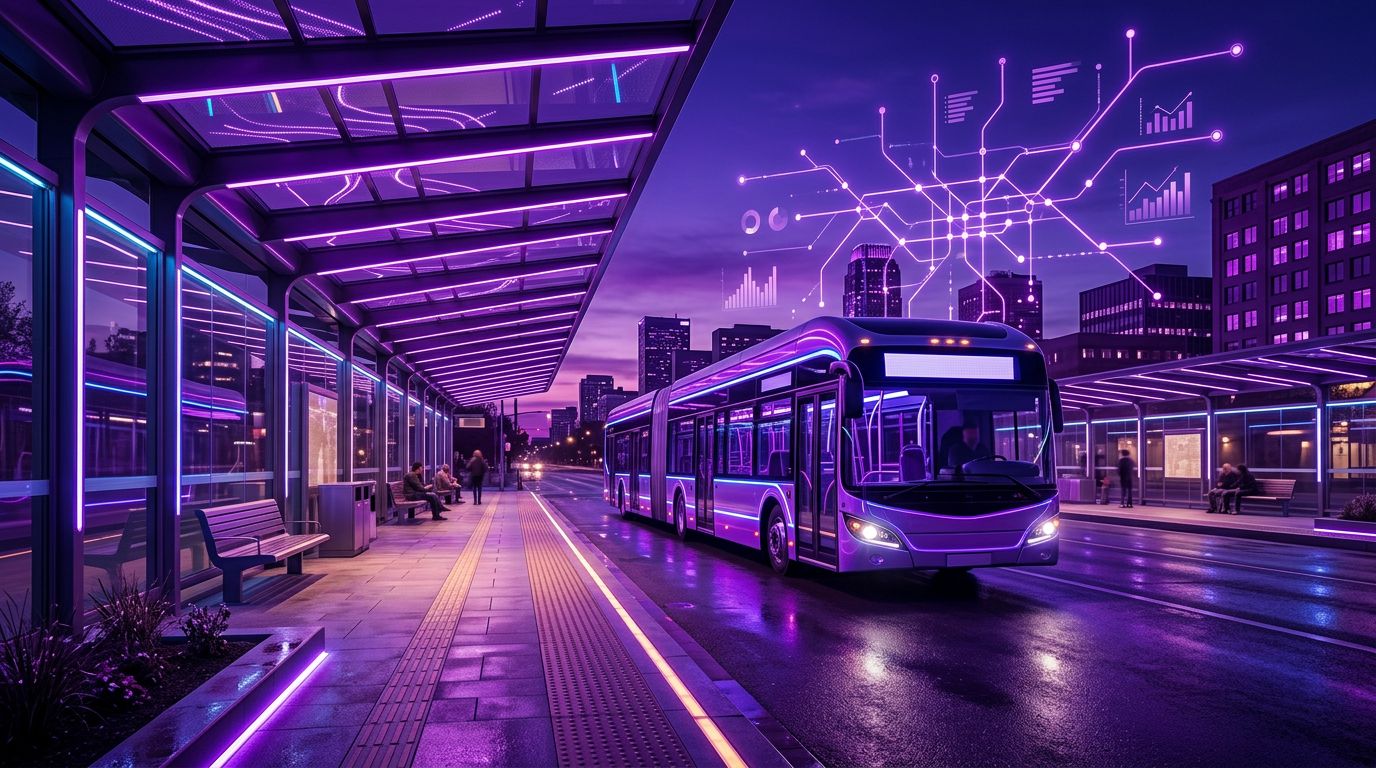
Transportation in a Fast-Growing Hill Country City
New Braunfels grew up as a car-oriented community, and many residents still rely on personal vehicles for daily trips. Yet as the population surges, interest in public and shared transportation has grown. Students commuting to college, seniors who no longer drive, visitors exploring Gruene and the rivers, and workers heading to San Antonio or Austin all benefit from transit alternatives.
While the city does not have the dense fixed-route network of a large metropolitan area, residents can piece together regional transit, intercity buses, passenger rail, and on-demand ride services to get where they need to go.
Why Transit Options Matter
Transit reduces traffic congestion on Interstate 35, lowers transportation costs for households, and provides independence for people who cannot or choose not to drive. It also supports tourism by helping visitors reach attractions without worrying about parking during peak river season.
1. Alamo Regional Transit
Alamo Regional Transit, operated by the Alamo Area Council of Governments, provides public transportation across a multi-county region that includes Comal County. Its demand-response service allows residents to schedule rides for medical appointments, shopping, work, and other essential trips. It is especially valuable for seniors and residents with disabilities.
2. VIA Metropolitan Transit
VIA Metropolitan Transit is San Antonio's public transit agency. While its core service area is in Bexar County, New Braunfels residents who drive or ride to its northern park-and-ride locations can connect to an extensive bus network, including frequent and express routes reaching downtown San Antonio, medical centers, and universities.
3. CARTS
The Capital Area Rural Transportation System serves counties surrounding Austin, including Hays County and the San Marcos area. CARTS offers intercity and demand-response options that can help New Braunfels residents connect northward toward San Marcos and Austin.
4. Capital Metro
Capital Metro operates buses and the Red Line commuter rail in Austin. For New Braunfels residents with trips into central or north Austin, combining a regional connection with Capital Metro service can be a practical way to avoid parking hassles downtown.
5. Amtrak
Amtrak's Texas Eagle runs through the corridor with stations in San Marcos and San Antonio. It connects Central Texas to Dallas, Fort Worth, and ultimately Chicago, while the Sunset Limited links San Antonio with New Orleans and Los Angeles. For leisurely long-distance travel, Amtrak offers a relaxed alternative to flying.
6. Greyhound
Greyhound provides intercity bus service connecting Central Texas with cities across the state and country. It is an affordable option for travelers on a budget, students heading home for holidays, and anyone who prefers ground travel without driving.
7. FlixBus
FlixBus has expanded rapidly in Texas, offering low-cost intercity bus routes with modern amenities such as Wi-Fi and power outlets. Routes along the Interstate 35 corridor make it a convenient choice for trips to Austin, Dallas, Houston, and other major cities.
8. Texas State University Bobcat Shuttle
For students living in the region and attending Texas State University in San Marcos, the Bobcat Shuttle system provides extensive service around campus and to nearby residential areas. Some New Braunfels students combine a short drive with shuttle access to reduce on-campus parking costs.
9. Uber
Ride-hailing has become an essential part of the local transportation mix. Uber operates throughout New Braunfels and is especially popular for trips to restaurants, Gruene Hall, river outfitters, and the airports in San Antonio and Austin. It also fills gaps in late-night transportation.
10. Lyft
Lyft offers similar on-demand ride services and is a good option for comparing prices during busy weekends and festivals such as Wurstfest. Having both apps installed allows riders to choose the fastest pickup or most affordable fare.
Transit Trends in the Region
Regional planners continue to explore ways to improve connections between San Antonio and Austin, including enhanced commuter bus service and long-discussed passenger rail concepts. Microtransit, where riders book shared vans through an app, has gained popularity in growing Texas suburbs and could become more relevant locally. Park-and-ride facilities and employer shuttle programs are also gaining attention as Interstate 35 congestion increases.
Tips for Using Transit Around New Braunfels
Plan ahead, especially for demand-response services that require advance booking. Combine modes when necessary, such as driving to a park-and-ride lot before boarding a bus. During river season and major festivals, consider ride-hailing to avoid parking difficulties. Check schedules in advance for intercity buses and trains, as frequencies vary by day.
Frequently Asked Questions
Does New Braunfels have a fixed-route city bus? The city has historically relied on regional demand-response service rather than a dense fixed-route network, so residents usually combine Alamo Regional Transit, park-and-ride connections, and ride-hailing to complete trips.
What is the easiest way to reach the airports without driving? Ride-hailing services are the most direct option for both San Antonio International and Austin-Bergstrom International. Travelers on a budget can also combine intercity buses with local transit in either city.
Are there options for seniors and riders with disabilities? Yes. Demand-response services are designed with accessibility in mind, and booking a few days ahead helps secure preferred pickup times for medical appointments and errands.
Final Thoughts
Although New Braunfels is still primarily car-oriented, residents and visitors have a growing range of public and shared transportation options. From Alamo Regional Transit's community service to intercity buses, Amtrak, and ride-hailing apps, it is increasingly possible to explore the city and the wider region without relying solely on a personal vehicle.