
Public Transit in Lowell
For many residents, students, and visitors, public transit is the most practical way to get around Lowell. The city's compact layout, combined with regional bus routes and direct commuter rail service to Boston, makes it possible to live, work, and explore without a car. Public transit also reduces traffic on busy roads such as Route 3, the Lowell Connector, and I-495.
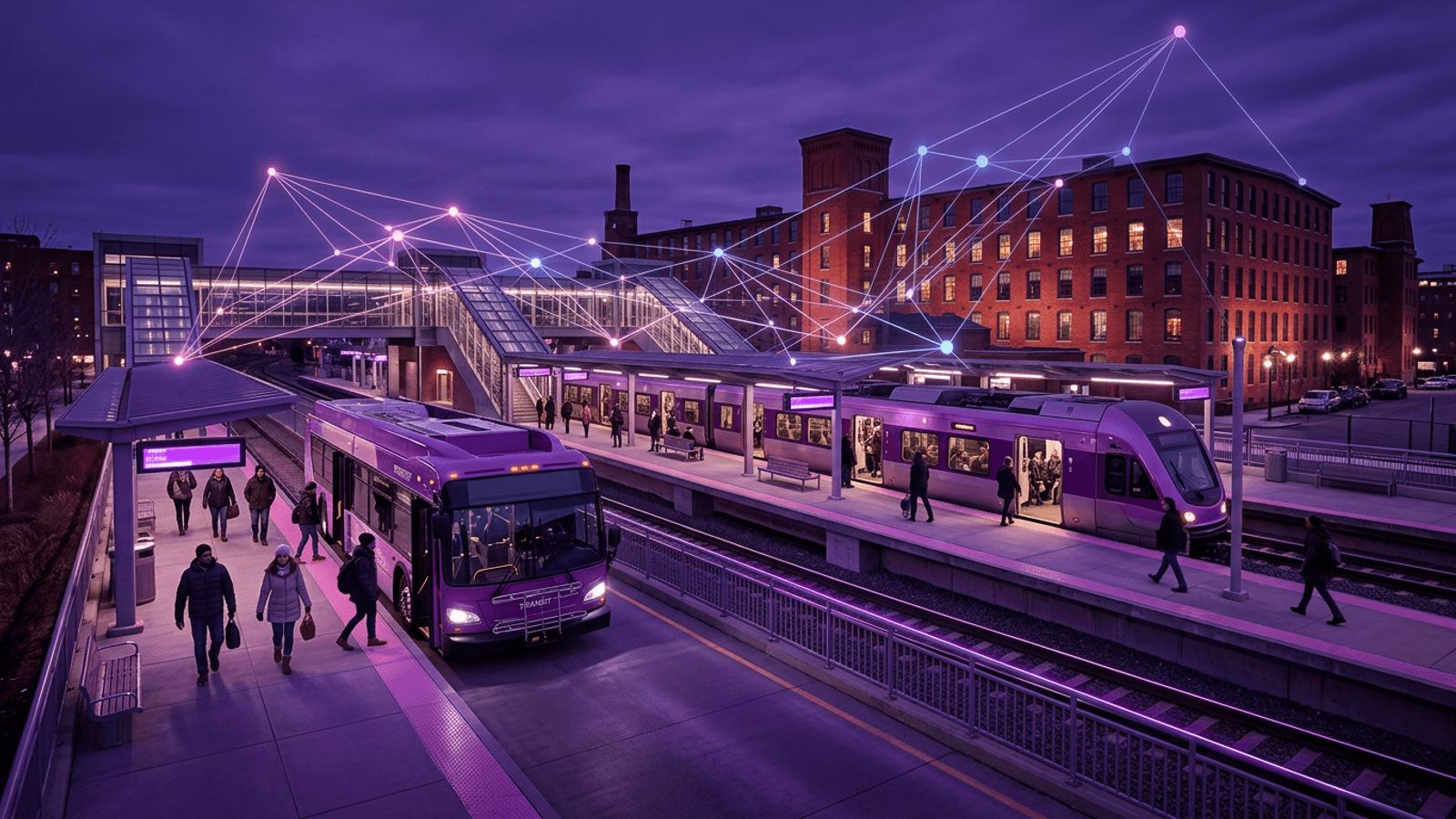
Lowell's transit network centers on the Charles A. Gallagher Transportation Terminal, where local buses and MBTA Commuter Rail trains meet. From there, riders can reach neighborhoods, shopping centers, colleges, and neighboring communities. Here are the ten most useful public transit services for anyone living in or visiting Lowell.
Top 10 Public Transit Services in Lowell
1. LRTA Fixed-Route Buses
The Lowell Regional Transit Authority operates more than a dozen fixed bus routes serving Lowell and nearby towns such as Chelmsford, Billerica, Dracut, Tewksbury, Tyngsborough, and Westford. Affordable fares and connections at the Kennedy Center and Gallagher Terminal make it the core of local transit.
2. MBTA Commuter Rail Lowell Line
The Lowell Line connects Lowell to Boston's North Station in under an hour, with frequent weekday service. It is a popular choice for commuters working in Boston, Cambridge, and along the route, as well as for visitors heading into the city.
3. LRTA Road Runner Paratransit
The Road Runner program provides door-to-door paratransit service for eligible riders with disabilities and seniors. It ensures that residents who cannot use fixed-route buses still have reliable access to medical appointments, jobs, and community activities.
4. UMass Lowell Campus Shuttles
UMass Lowell operates shuttle buses connecting its North, South, and East campuses with downtown locations. The service is essential for students moving between classes, residence halls, and research facilities.
5. Lowell National Historical Park Trolley
During the visitor season, the National Park Service operates historic-style trolleys that carry visitors between key sites downtown, such as the Boott Cotton Mills Museum. It is both practical and a fun part of the Lowell experience.
6. Merrimack Valley Regional Transit Authority
MVRTA connects Lawrence, Haverhill, Andover, and surrounding communities. Lowell riders commuting to jobs or schools in those cities can use MVRTA routes, which have been part of a fare-free initiative designed to increase ridership.
7. Massport Logan Express
Logan Express buses from nearby Woburn provide frequent, affordable service to Boston Logan International Airport. Many Lowell travelers park or get dropped off at the Woburn location to avoid expensive airport parking.
8. Boston Express
Boston Express offers commuter bus service from southern New Hampshire to Boston and Logan Airport. Residents near the New Hampshire border find its park-and-ride lots a convenient alternative for city and airport trips.
9. MBTA Bus Connections
While Lowell is outside the core MBTA bus network, riders can connect to MBTA bus routes at stations along the Lowell Line, providing access to communities north of Boston.
10. Bike and Pedestrian Connections
The Lowell Riverwalk, canalways, and nearby rail trails such as the Bruce Freeman Rail Trail connect well with transit hubs. Combining walking or cycling with bus and train service gives riders flexible, healthy commuting options.
Tips for Riding Transit in Lowell
Download real-time tracking apps to see when buses and trains are arriving, and consider monthly passes if you ride frequently. The MBTA mTicket app allows commuter rail riders to buy tickets on their phones. Seniors, students, and riders with disabilities may qualify for reduced fares, so check eligibility with each transit provider.
Plan for reduced weekend and evening service on some routes, and allow extra travel time during winter storms.
Transit for Students and Seniors
Students at UMass Lowell and Middlesex Community College benefit from campus shuttles and local bus routes that link classes, housing, and part-time jobs. Seniors can take advantage of reduced fares and the Road Runner program to stay independent and connected. Community organizations and councils on aging in surrounding towns also coordinate rides for older adults, helping fill gaps in fixed-route coverage.
Trends in Lowell's Transit System
Regional transit authorities are investing in electric buses, improved bus stops, and better real-time information. Fare-free and reduced-fare pilots across Massachusetts are expanding access, and discussions about extending commuter rail north to New Hampshire continue. Microtransit services, which offer on-demand shared rides within defined zones, are also being explored as a way to serve lower-density areas.
Frequently Asked Questions
How do I pay for LRTA buses?
Riders can pay with cash, passes, or available mobile and contactless options. Check the LRTA for current fare details and reduced fare eligibility.
Does Lowell have late-night transit service?
Bus and commuter rail service is reduced in the late evening, and some routes do not operate on Sundays. Riders traveling late should check schedules carefully or plan a rideshare backup.
Can I bring a bike on the commuter rail?
Bikes are generally allowed on MBTA Commuter Rail trains outside of peak periods and during special events, subject to space. Folding bikes are typically permitted at all times.
Final Thoughts
Lowell's public transit network offers more options than many people realize. By combining local buses, commuter rail, shuttles, and active transportation, residents and visitors can travel affordably and sustainably throughout the city and the wider region.