
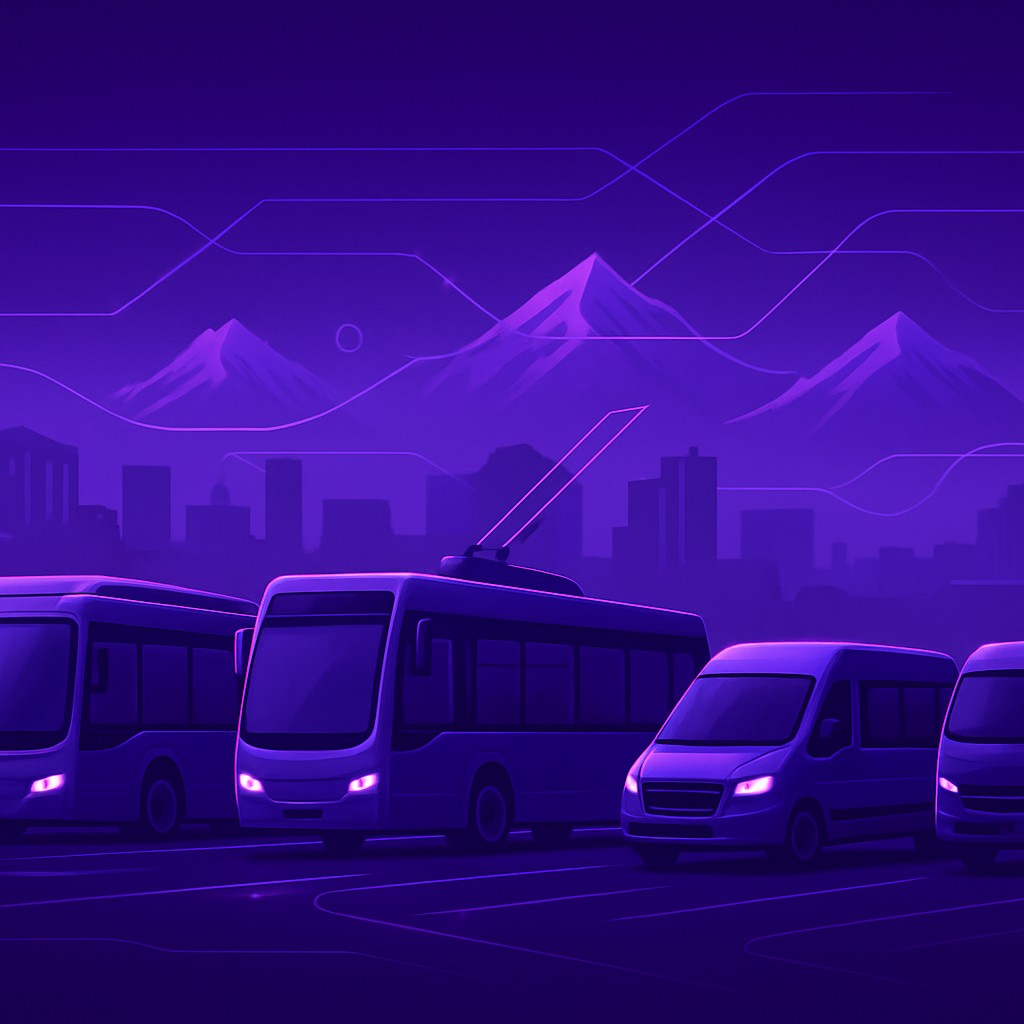
Public Transit as the Backbone of Mobility
Public transit is a vital part of daily life in Kyrgyzstan, providing affordable and accessible transportation for millions of residents and visitors. In cities like Bishkek and Osh, a mix of buses, trolleybuses, and minibuses known locally as marshrutkas form the core of urban mobility. Beyond the cities, intercity routes connect regional centers and rural communities, supporting commerce, education, and tourism.
The transit system reflects the country's unique geography and culture. Navigating mountainous terrain and connecting remote areas requires a flexible and resilient network. Public transit not only enables daily commutes but also plays a crucial role in linking the diverse regions of the country.
Understanding the Transit Landscape
Kyrgyzstan's public transit combines government-operated services with privately run options. Trolleybuses and municipal buses serve major urban routes, offering low-cost travel for city residents. Marshrutkas, the ubiquitous shared minibuses, provide flexible and frequent service, filling gaps in the network and reaching destinations that larger vehicles cannot.
For longer journeys, intercity buses and shared taxis connect cities and towns across the country. These services are essential for travelers heading to popular destinations such as Issyk-Kul, as well as for residents commuting between regions. The combination of formal and informal transit options gives passengers a range of choices to suit their needs and budgets.
Top 10 Public Transit Services in Kyrgyzstan
1. Bishkek City Trolleybus provides reliable and affordable electric transit throughout the capital, serving as a backbone of urban mobility.
2. Bishkek Municipal Bus Service offers extensive coverage across the city with regular schedules and accessible fares.
3. Osh City Transit connects neighborhoods and key destinations in the southern capital with dependable bus and minibus routes.
4. Marshrutka Network Bishkek delivers flexible, frequent minibus service that reaches nearly every corner of the city.
5. Kyrgyz Intercity Bus Lines link major cities and regional centers, supporting both commuters and travelers.
6. Issyk-Kul Regional Transit serves the popular lake region, providing essential connections for residents and tourists alike.
7. Jalal-Abad Transit Service offers reliable transportation throughout the city and surrounding areas.
8. Karakol Public Transport connects this gateway to mountain tourism with dependable local routes.
9. Naryn Regional Buses provide vital links across one of the country's most remote and scenic regions.
10. Central Asia Shared Taxi Network rounds out the list with flexible intercity options for travelers seeking faster connections.
Trends Modernizing Public Transit
Public transit in Kyrgyzstan is undergoing gradual but meaningful modernization. Efforts to upgrade aging fleets, introduce cleaner vehicles, and improve route efficiency are gaining momentum. Electric trolleybuses, already a feature of urban transit, represent an environmentally friendly option that the country continues to support.
Digital innovation is beginning to influence the sector as well. Mobile applications for route planning, electronic fare payment systems, and real-time tracking are emerging to enhance the passenger experience. As urban populations grow, investment in transit infrastructure and smarter mobility solutions is expected to expand, making public transportation more convenient and sustainable.
Tips for Using Public Transit
For those navigating public transit in Kyrgyzstan, a few practical tips can make the experience smoother. Carrying small denominations of local currency is helpful, as many services rely on cash payments. Learning the main routes and key stops in advance can save time, especially when using marshrutkas, which often follow set paths but allow flexible boarding.
During peak hours, transit can be crowded, so planning travel outside of rush periods may offer a more comfortable journey. For intercity travel, arriving early at departure points ensures a seat and reduces waiting time. Friendly interactions with drivers and fellow passengers often reflect the warm hospitality the country is known for.
Transit and Sustainable Urban Growth
As Kyrgyzstan's cities expand, public transit is becoming central to discussions about sustainable urban development. Affordable and efficient transportation reduces traffic congestion, lowers emissions, and improves access to jobs, education, and services for residents of all income levels. The continued operation of electric trolleybuses in Bishkek demonstrates a commitment to cleaner mobility that many cities around the world are now embracing.
Investing in reliable public transit also supports social equity by ensuring that people without private vehicles can participate fully in economic and community life. Improved connections between urban centers and surrounding areas help integrate regional economies and reduce isolation in remote communities. As planners look to the future, balancing the flexibility of informal services like marshrutkas with the reliability of organized transit will be key to building accessible, livable, and environmentally responsible cities.
Conclusion
Public transit services are essential to keeping Kyrgyzstan connected, affordable, and accessible for residents and visitors alike. The services featured in this guide illustrate the diversity and resilience of the country's transportation network. As modernization efforts continue and new technologies take hold, public transit in Kyrgyzstan is set to become more efficient, sustainable, and convenient for everyone who relies on it.