
Public Transit in a Car-Centric Region
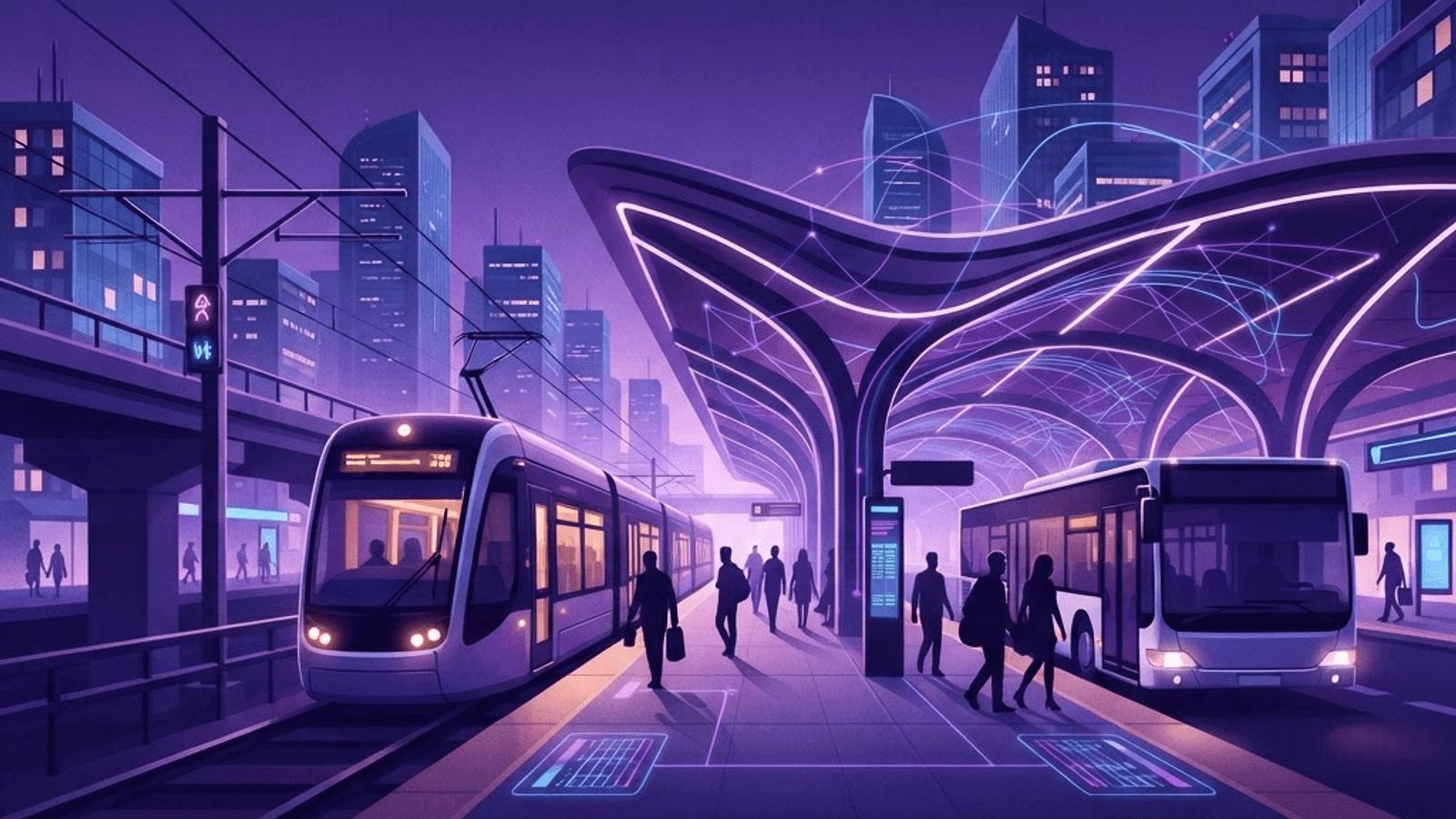
North Texas is known for driving, yet Irving has quietly built one of the more usable transit environments in the state. Light rail runs through the city's business corridors, commuter rail crosses the metroplex, an extensive bus network fills the gaps, and on-demand shuttle zones handle first-and-last-mile trips that fixed routes cannot serve efficiently. For residents willing to plan a little, car-free or car-light living is genuinely feasible in several Irving neighborhoods.
The case for transit here is straightforward. Highway congestion continues to worsen as the region adds population, parking in dense employment centers is expensive and limited, and the cost of vehicle ownership keeps rising. Transit converts commute time from active driving into usable time for reading, working, or resting.
Evaluation Criteria
Transit services were assessed on coverage within Irving, service frequency, span of service hours, reliability, fare value, accessibility features, and how well each connects to other modes. Services that meaningfully reduce dependence on a personal vehicle for common trip types ranked highest.
The Top 10 Public Transit Services in Irving
1. DART Orange Line
The DART Orange Line is the backbone of rail transit in Irving, running through the city and connecting the Las Colinas and airport corridors to downtown Dallas. Its stations serve major employment centers, entertainment districts, and residential developments built specifically around rail access. Frequent peak-hour service, air-conditioned vehicles, and predictable travel times make it the most valuable single transit asset in the city.
2. DART Bus Network
DART's bus network provides the coverage that rail alone cannot, serving neighborhoods, retail corridors, schools, and industrial employment areas throughout Irving. Routes are designed to feed rail stations, making transfers practical. Recent network redesign efforts have improved frequency on high-demand corridors while maintaining coverage on lower-ridership routes.
3. Trinity Railway Express
Trinity Railway Express connects Dallas and Fort Worth with stations positioned to serve Irving-area riders. Its commuter rail vehicles offer comfortable seating, luggage space, and restrooms, which makes longer cross-metroplex trips pleasant rather than merely tolerable. Riders traveling between the two downtowns consistently rate it as the most relaxing option available.
4. DART GoLink
GoLink is DART's on-demand microtransit service, operating within defined zones and booked through a mobile application. It solves the first-and-last-mile problem that limits traditional transit usefulness, connecting riders from homes and workplaces to nearby rail stations or bus corridors. For Irving residents just outside walking distance of fixed routes, GoLink often makes the difference between using transit and driving.
5. Trinity Metro TEXRail
TEXRail extends commuter rail service on the Fort Worth side of the region toward the airport area, giving Irving residents additional westward options. Modern vehicles, level boarding, and onboard connectivity reflect newer design standards. Combined with TRE, it creates multiple routing choices across the metroplex.
6. DART Paratransit Services
DART's paratransit service provides origin-to-destination transportation for riders whose disabilities prevent them from using fixed-route service. Trained operators, accessible vehicles, and scheduled pickups deliver essential mobility for medical appointments, employment, and daily errands. Its existence is a critical component of an equitable transit system in Irving.
7. Las Colinas Area Personal Transit and Shuttle Services
The Las Colinas district is served by area circulator and shuttle services designed to move workers and visitors between offices, hotels, restaurants, and rail stations. These short-distance services reduce midday car trips and support the walkable character of the district. For employees based in the area, they eliminate the need to move a vehicle during the workday.
8. Airport Ground Transportation Services
Scheduled shuttle and ground transportation services connecting Irving hotels and business districts to nearby airport terminals provide reliable, cost-effective airport access. For business travelers and hotel guests, these services offer predictability that ride-hailing during peak periods cannot always match. Many operate on fixed schedules that align with flight banks.
9. Irving Senior and Community Transportation Programs
Community-based transportation programs serving seniors and residents with limited mobility fill an important gap in the transit ecosystem. These services typically provide scheduled trips to medical facilities, grocery stores, and community centers. Their door-to-door nature makes them accessible to riders for whom walking to a bus stop is a barrier.
10. Regional Bike Share and Micromobility Integration
Bike share and scooter services function as an extension of the transit network, covering the short distances between stations and final destinations. Integrated with trail networks along the lake and canal areas, they make station-to-office trips quick and pleasant in mild weather. Riders combining micromobility with rail often achieve door-to-door times competitive with driving.
Trends Shaping Transit in Irving
Microtransit has been the most significant recent innovation, replacing poorly performing fixed routes with flexible on-demand zones that respond to actual demand patterns. Fare technology has also modernized, with mobile ticketing and account-based fare capping that ensures frequent riders never pay more than a pass would cost.
Transit-oriented development continues to reshape neighborhoods around Irving's rail stations, adding apartments, offices, and retail within walking distance of platforms. This land-use shift compounds transit value over time, since more destinations reachable on foot from a station means more trips that never require a car. Electrification of bus fleets is progressing as well, reducing emissions in residential corridors.
Building a Practical Transit Commute
Start by mapping your two anchor points and identifying the nearest rail station or high-frequency bus corridor to each. If either end is more than a comfortable walk, check whether a GoLink zone or bike share station bridges the gap. Test the trip on a non-work day to learn the transfers without schedule pressure.
Buy the right fare product. Regional passes usually pay for themselves quickly for daily commuters, and mobile fare capping protects occasional riders. Keep a backup plan for late meetings or service disruptions, and check real-time arrival information before leaving rather than relying on printed schedules.
Final Thoughts
Irving's transit network rewards riders who learn it. Light rail provides the spine, buses and microtransit provide the reach, commuter rail extends the range across the metroplex, and micromobility closes the final gap. Used together, these services make a car-light lifestyle realistic in a region where that once seemed impossible.