
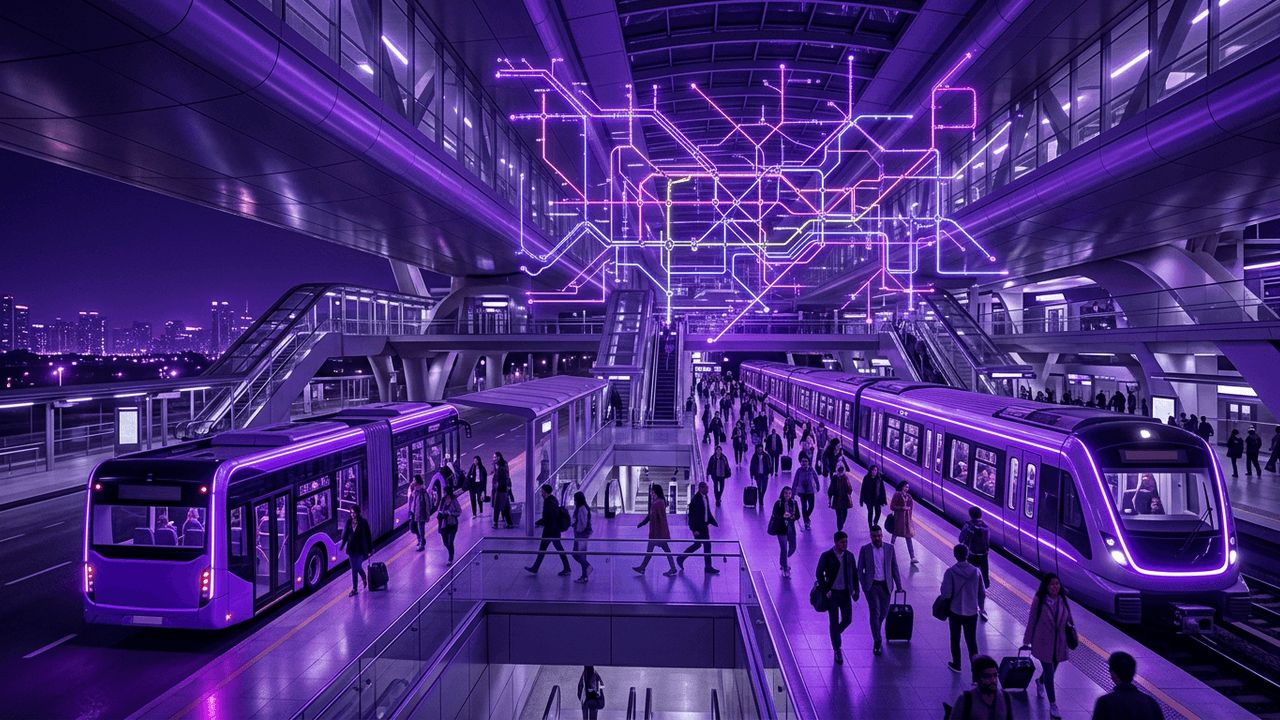
Public Transit in a Suburban Township
Edison is often described as a car-centric suburb, yet it has a surprisingly robust public transit network. The township lies directly on the Northeast Corridor, giving residents frequent train service to New York City and Trenton. Local buses connect neighborhoods to shopping centers, hospitals and colleges, while county shuttles and paratransit fill important gaps. For commuters, students, seniors and visitors, these services offer affordable alternatives to driving and parking.
Public transit also supports Edison's sustainability goals by reducing traffic congestion and emissions along busy corridors such as Route 1, Route 27 and the New Jersey Turnpike. Understanding the network helps residents save time and money while reducing their environmental footprint.
How Edison's Transit Network Fits Together
Rail forms the backbone, with stations at Edison and Metuchen and nearby access at Metropark and New Brunswick. NJ Transit buses provide local and regional connections. Middlesex County operates community shuttles and paratransit, while specialized services connect riders to airports and universities. Together, these systems link Edison to the wider New York metropolitan region.
The 10 Best Public Transit Services for Edison
1. NJ Transit Northeast Corridor Line
The Northeast Corridor Line is the most important transit service for Edison commuters. Frequent trains from Edison and Metuchen stations reach New York Penn Station in roughly an hour, with stops at Newark Penn Station and Secaucus Junction for connections across the region.
2. NJ Transit Local Bus Routes
NJ Transit buses serve Edison's major corridors, connecting residents to Menlo Park, Woodbridge, New Brunswick, Perth Amboy and Plainfield. These routes provide access to jobs, shopping and medical facilities for riders without cars.
3. Amtrak at Metropark
Metropark station in neighboring Iselin offers Amtrak Northeast Regional and Acela service, along with NJ Transit trains. It is a convenient option for Edison residents traveling to Washington, Philadelphia or Boston.
4. Middlesex County Area Transit
Middlesex County Area Transit operates shuttle routes and demand-response services for seniors, people with disabilities and residents traveling to employment centers. Its services complement NJ Transit's fixed-route network.
5. NJ Transit Access Link
Access Link provides ADA paratransit service for eligible riders unable to use regular buses. It offers curb-to-curb trips within areas served by local bus routes, ensuring accessible transportation for all residents.
6. Port Authority AirTrain Newark
AirTrain Newark connects the Newark Liberty International Airport rail station to airport terminals. Edison travelers can take NJ Transit directly to the airport and transfer to AirTrain, avoiding parking fees and highway traffic.
7. PATH
PATH trains connect Newark Penn Station with Jersey City, Hoboken and Manhattan. Edison commuters working in Lower Manhattan or Jersey City often transfer from NJ Transit to PATH for a direct ride to their offices.
8. Rutgers University Bus System
Rutgers operates an extensive campus bus network in New Brunswick and Piscataway, connecting campuses, the New Brunswick train station and student housing. It is valuable for Edison residents attending or working at the university.
9. Coach USA Suburban Transit
Suburban Transit offers commuter bus service between central New Jersey and Manhattan's Port Authority Bus Terminal. It provides a comfortable alternative to rail for commuters near its routes.
10. SEPTA Trenton Line
For trips to Philadelphia, Edison riders can take NJ Transit to Trenton Transit Center and transfer to SEPTA's Trenton Line. This affordable connection provides access to Philadelphia's Center City and the airport.
Transit Trends Affecting Edison
Major Northeast Corridor investments, including the Gateway Program's new Hudson River tunnel and the Portal North Bridge, aim to improve reliability for Edison commuters. NJ Transit is introducing new multilevel railcars and battery-electric buses as part of its modernization plans. Mobile ticketing and real-time tracking apps have made riding easier, while microtransit pilots in New Jersey suburbs are testing on-demand shuttles. Transit-oriented development near Edison and Metuchen stations is also adding housing and amenities within walking distance of the trains.
Tips for Using Public Transit in Edison
Download the NJ Transit app for mobile tickets, schedules and service alerts. Consider monthly passes for regular commuting, which offer significant savings. Arrive early at Edison and Metuchen stations, as parking lots fill quickly on weekdays, or use local buses and ride-hailing to reach the station. For airport trips, allow extra time for connections, especially during peak travel seasons.
Saving Money on Transit
Riding transit regularly can be far cheaper than driving and parking. NJ Transit offers monthly and weekly passes that reduce per-trip costs, and many employers provide pre-tax commuter benefits that further lower expenses. Seniors and riders with disabilities are eligible for reduced fares on trains and buses with valid identification. Students may qualify for discounted passes through participating colleges. When combined with savings on fuel, tolls, parking and vehicle wear, transit can add up to substantial annual savings for Edison households.
Final Thoughts
Edison's public transit network offers far more than most suburban communities. With NJ Transit trains to New York, local buses, county shuttles and connections to Amtrak, PATH and SEPTA, residents and visitors can reach destinations across the region without relying on a car. Using these services wisely saves money, reduces stress and supports a more sustainable future for central New Jersey.