
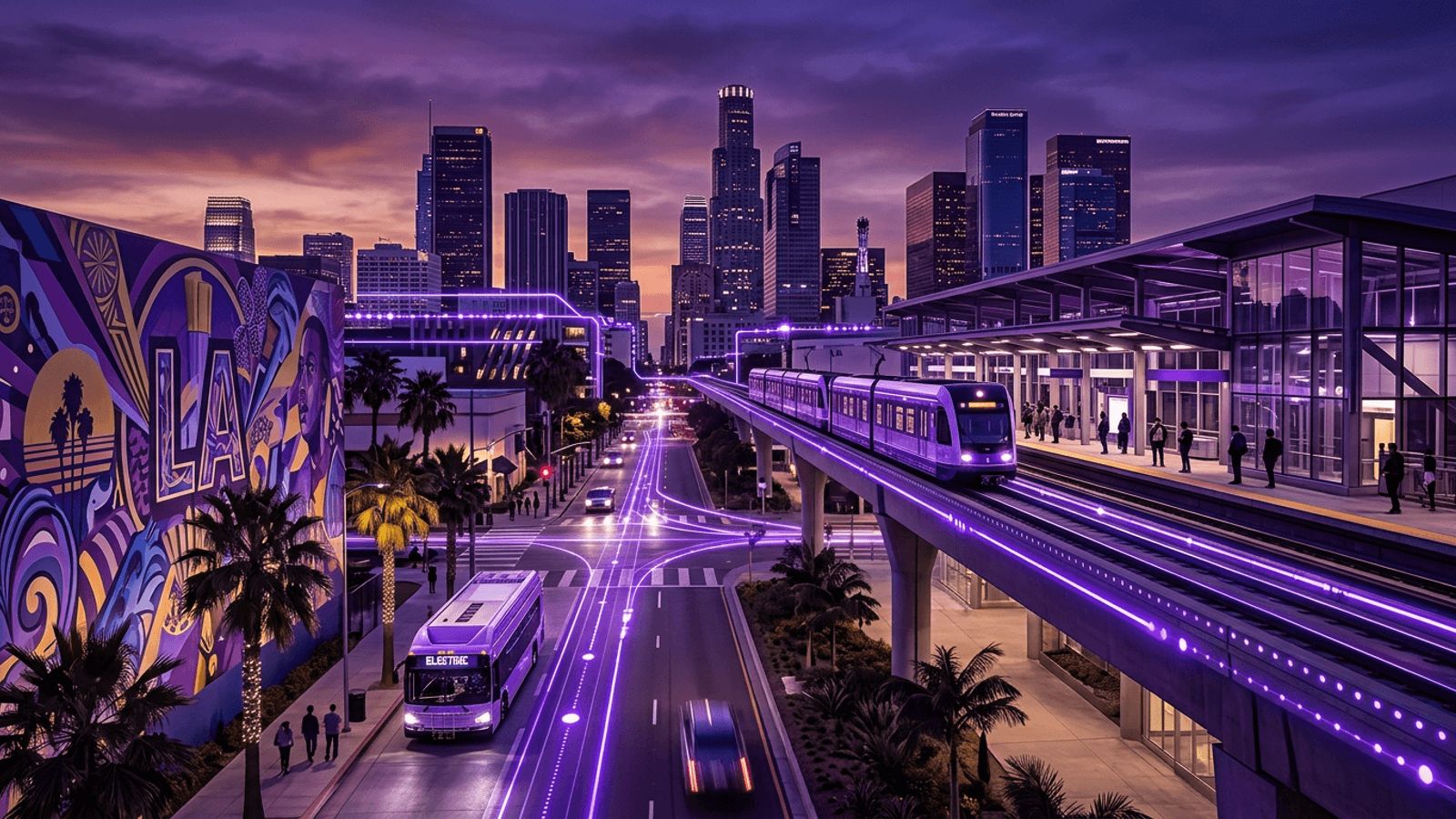
Public Transit: A Lifeline for East Los Angeles
Public transit is essential to daily life in East Los Angeles. Thousands of residents rely on buses and trains to reach work, school, medical appointments, and shopping centers. The Eastside benefits from a network of transit providers, including regional rail, municipal bus lines, and community shuttles, that connect the neighborhood with downtown Los Angeles, the San Gabriel Valley, and Southeast Los Angeles County.
Here are ten public transit services that keep East Los Angeles moving.
1. Los Angeles Metro Rail
The Metro E Line is the backbone of rail service in East Los Angeles. It runs along Third Street with stations at Indiana, Maravilla, East LA Civic Center, and Atlantic. It connects riders to Boyle Heights, Little Tokyo, downtown Los Angeles, and all the way to Santa Monica, and thanks to the Regional Connector, riders can travel across the system with fewer transfers.
2. Los Angeles Metro Bus
Metro Bus operates one of the largest bus fleets in the country. Major routes run along Whittier Boulevard, César Chávez Avenue, Atlantic Boulevard, and other key corridors. Its frequent service and extensive coverage make it the most-used transit option for many Eastside residents.
3. El Sol Shuttle
El Sol is a community shuttle service operated by Los Angeles County Public Works that serves unincorporated East Los Angeles. Its affordable routes connect residential areas with shopping centers, parks, medical facilities, and Metro stations, which makes local errands easier.
4. Montebello Bus Lines
Montebello Bus Lines provides municipal bus service connecting Montebello, East Los Angeles, Commerce, and downtown Los Angeles. Its routes serve schools, shopping centers, and employment hubs throughout the area.
5. Foothill Transit
Foothill Transit serves the San Gabriel and Pomona valleys and offers commuter express lines to downtown Los Angeles. Its battery-electric bus fleet is a model for sustainable transportation, and its routes offer Eastside riders connections eastward.
6. Metrolink
Metrolink provides regional commuter rail service throughout Southern California. The Montebello/Commerce station on the Riverside Line is convenient for East Los Angeles commuters traveling to Riverside County or downtown's Union Station.
7. LADOT DASH
LADOT DASH operates neighborhood shuttle routes throughout the City of Los Angeles, including service in Boyle Heights and El Sereno near East Los Angeles. DASH buses offer low fares and connect riders with local destinations and Metro stations.
8. Commerce Municipal Buses
The City of Commerce operates a fare-free municipal bus service connecting Commerce with nearby communities, including parts of East Los Angeles. Its free service is a valuable resource for workers and residents traveling to the city's shopping and employment centers.
9. Metro Micro
Metro Micro is an on-demand rideshare service that operates in designated zones for about the price of a transit fare. It fills gaps where fixed-route service is less convenient and offers flexible trips booked through an app or by phone.
10. Access Services
Access Services provides paratransit for people with disabilities throughout Los Angeles County. It offers shared ride service for eligible riders who cannot use fixed-route buses or trains, ensuring that all residents have access to transportation.
How to Pay: The TAP System
Most transit services in Los Angeles County use the TAP fare system. Riders can load fares onto a physical TAP card or use the TAP mobile app to pay by phone. Fare capping limits how much regular riders pay over a day or week, which makes frequent transit use more affordable. Reduced fares are available for seniors, students, people with disabilities, and low-income riders through the LIFE program.
Transit Improvements and Trends in 2026
Southern California is investing heavily in public transit ahead of the 2028 Olympic and Paralympic Games. Plans include new rail lines, bus rapid transit corridors, upgraded stations, and more frequent service. Studies of an eastward extension of the E Line aim to extend rail service further into the San Gabriel Valley and southeast cities.
Electrification is another major trend. Metro and many municipal operators are transitioning to zero-emission bus fleets, which reduces pollution in communities like East Los Angeles that have historically faced air quality challenges. Bus-only lanes and transit signal priority are also helping buses move faster through busy corridors.
Tips for Transit Riders
Use trip-planning apps to check real-time arrival information and plan routes. Load your TAP card or app in advance to avoid delays when boarding. Allow extra time for transfers during busy periods, and stay aware of your surroundings, especially at night. Many stations and buses offer accessibility features, and Metro staff can help riders who need assistance.
Transit and Community
For East Los Angeles, public transit is about more than mobility. It connects residents to opportunity. Reliable transit helps people reach jobs, schools, and health care, and it supports local businesses along major corridors. Community input continues to shape transit planning, so residents have a voice in how services improve.
Conclusion
East Los Angeles is served by a diverse and growing network of public transit services. Metro rail and bus, El Sol shuttles, and municipal operators like Montebello Bus Lines and Commerce Municipal Buses make it possible to get around the Eastside and beyond affordably and sustainably. As investment continues, transit will play an even greater role in the community's future.