
Public Transit in the Motor City
In a city synonymous with the automobile, public transit plays an increasingly important role in connecting communities and expanding mobility. Detroit's public transportation system serves commuters, students, seniors, and visitors who seek affordable and accessible ways to move around the metropolitan area. As the region invests in revitalization and sustainable transportation, public transit services are evolving to better meet the diverse needs of residents throughout the city and its surrounding suburbs.
Bus Transit Networks
Buses form the backbone of Detroit's public transit system. The Detroit Department of Transportation operates an extensive network of routes serving the city, providing essential connections for daily commuters and residents. The Suburban Mobility Authority for Regional Transportation, known as SMART, complements this by linking the city with surrounding suburbs across the metro region. Together, these agencies offer wide coverage, enabling riders to travel between neighborhoods, employment centers, and regional destinations affordably.
The QLINE Streetcar
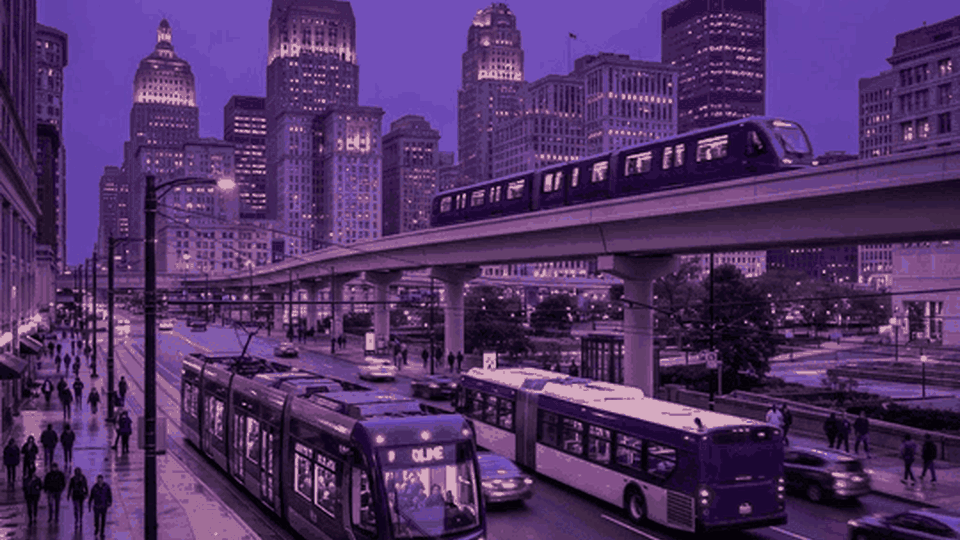
The QLINE streetcar has become a distinctive feature of Detroit's transit landscape, running along the vibrant Woodward Avenue corridor. Connecting downtown with Midtown and the New Center area, the streetcar serves residents, workers, and visitors exploring some of the city's most dynamic districts. Its modern design and convenient stops make it a popular option for short trips, contributing to the walkability and connectivity of central Detroit while supporting economic activity along its route.
The Detroit People Mover
The Detroit People Mover offers an elevated automated transit loop circling the downtown core. This distinctive system connects major destinations including office buildings, entertainment venues, hotels, and convention facilities. Particularly useful for visitors and downtown workers, the People Mover provides a convenient, weather-protected way to navigate the central business district. Its elevated route also offers scenic views of the riverfront and cityscape, adding to its appeal.
Accessibility and Regional Coordination
Accessibility remains a central focus for Detroit's transit providers. Services include accessible vehicles, paratransit options for riders with disabilities, and reduced fares for seniors and students. Efforts to coordinate schedules and fares across agencies aim to create a more seamless experience for riders traveling between city and suburban systems. Continued investment in accessibility ensures that public transit serves all members of the community equitably and reliably.
The Future of Detroit Transit
Detroit's public transit system continues to evolve alongside the region's growth. Discussions around expanded regional transit, improved frequency, and modernized infrastructure reflect a commitment to enhancing mobility. Innovations such as mobile ticketing, real-time arrival information, and cleaner vehicle technologies are improving the rider experience. As the metro area looks toward a more connected future, public transit is positioned to play a larger role in sustainable, inclusive mobility.
Conclusion
Public transit services are essential to connecting Detroit's neighborhoods, downtown, and suburbs. From comprehensive bus networks to the QLINE streetcar and the People Mover, these systems offer affordable and accessible mobility for a diverse population. As the region continues to invest in transportation, public transit stands as a vital resource, helping the Motor City move toward a more connected and sustainable future.