
Public Transportation in a Growing City
Conroe's population has grown dramatically, bringing new residents, businesses and traffic. While the city remains largely car-oriented, public transit plays an increasingly important role in connecting people to jobs, healthcare, education and shopping. For residents who do not drive, seniors, students and commuters looking to avoid Interstate 45 traffic, transit services provide affordable and reliable alternatives.
This guide explores the ten best public transit services available to Conroe residents and explains how to use them effectively.
The 10 Best Public Transit Services for Conroe Residents
1. Conroe Connection Fixed-Route Bus
Conroe Connection is the city's local bus system, operating fixed routes that link residential neighborhoods with downtown, major shopping centers, medical facilities and Lone Star College. Accessible buses, affordable fares and timed connections make it the foundation of public transit in Conroe.
2. Conroe Connection ADA Paratransit
For residents with disabilities who cannot use fixed-route buses, Conroe Connection's paratransit service provides curb-to-curb trips within the service area. Riders must apply for eligibility and book trips in advance, but the service greatly enhances independence and mobility.
3. The Woodlands Express
The Woodlands Express is a commuter park-and-ride service that carries passengers from The Woodlands to downtown Houston, the Greenway Plaza area and the Texas Medical Center. Its comfortable coaches and Wi-Fi make the daily commute more productive, and many Conroe residents use its park-and-ride lots.
4. Brazos Transit District
Brazos Transit District provides public transportation across a broad region of Southeast and Central Texas. Its rural and demand-response services help residents of smaller communities around Conroe access medical appointments, groceries and employment.
5. Houston METRO Local Bus
Once in Houston, riders can connect to METRO's extensive local bus network, which covers the city and many surrounding communities. Frequent service on major corridors makes it easy to reach destinations throughout the metro area.
6. Houston METRORail
METRORail light rail lines connect downtown Houston with the Museum District, Texas Medical Center, NRG Park and other key destinations. Conroe residents traveling to Houston for appointments, games or cultural events often combine commuter buses with METRORail.
7. METRO Park and Ride
Houston METRO operates park-and-ride lots in the northern suburbs, offering express service to downtown and other employment centers. These routes provide additional commuter options for Conroe residents who work in central Houston.
8. Greyhound and FlixBus Intercity Service
Intercity buses offer affordable connections from Conroe and Houston to cities across Texas and beyond. They are an important part of the regional transit network for travelers without access to a car.
9. Amtrak Sunset Limited
Amtrak's Sunset Limited departs from Houston and connects the region with New Orleans, San Antonio, Tucson and Los Angeles. It offers a relaxing alternative for long-distance travel and links to Amtrak's national network.
10. Rideshare for First and Last Mile Connections
Rideshare services such as Uber and Lyft fill gaps in transit coverage by connecting riders to bus stops, park-and-ride lots and transit centers. Combining rideshare with public transit can be more affordable than taking a car for the entire journey.
How to Use Public Transit in Conroe
Start by reviewing route maps and schedules for Conroe Connection and commuter services. Many agencies offer real-time bus tracking through mobile apps, helping riders plan trips and reduce wait times. Consider purchasing passes if you ride frequently, as they often provide significant savings. Seniors, students and riders with disabilities may qualify for reduced fares.
For commuters, park-and-ride services are often the most efficient option. Arriving early secures parking, and riding the bus eliminates the stress of driving in heavy traffic and paying for downtown parking. Many employers also offer transit benefits that reduce commuting costs.
Benefits of Public Transit
Public transit saves money on fuel, parking and vehicle maintenance. It reduces traffic congestion and air pollution, supporting a healthier community. Transit also provides essential mobility for residents who cannot drive, including seniors, people with disabilities and young people. As Conroe grows, robust transit options help maintain quality of life.
The Future of Transit in Conroe
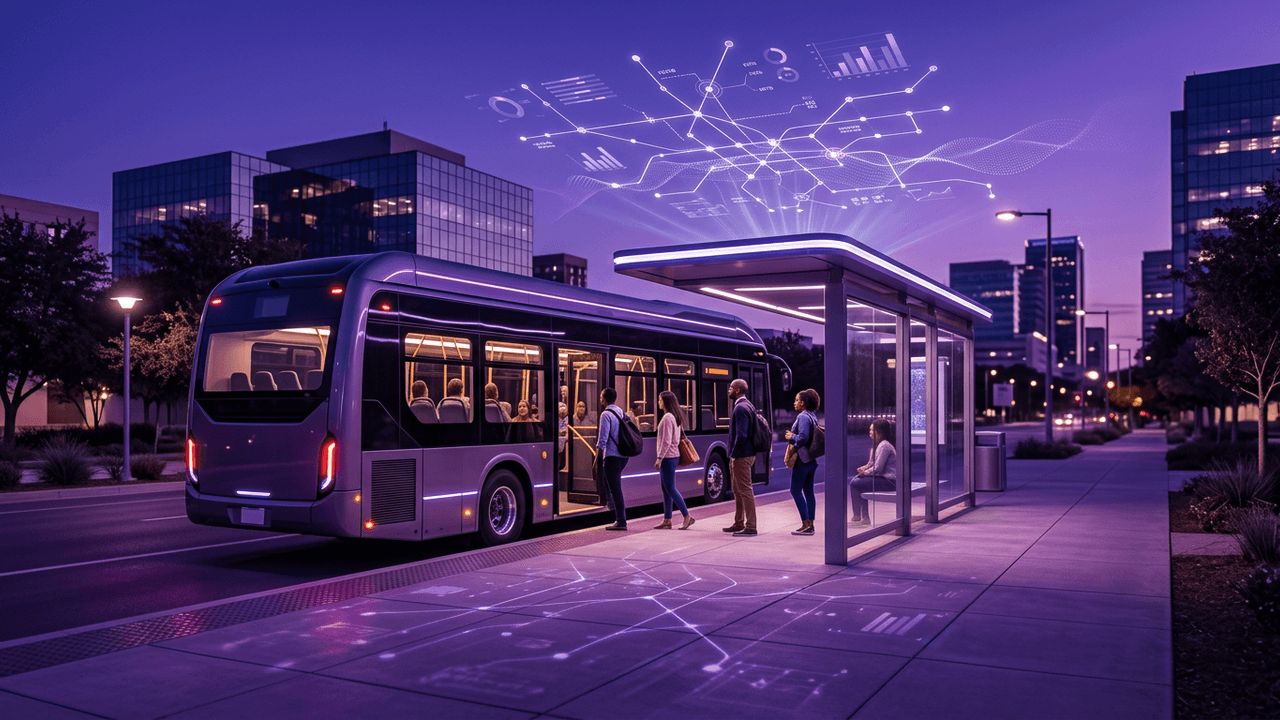
Regional planners continue to study ways to expand transit in Montgomery County. Ideas include additional bus routes, expanded park-and-ride service, microtransit zones where riders book shared shuttles on demand and improved connections with Houston METRO. Electric buses and smart transit technology are also gaining attention. These improvements could make transit an increasingly attractive option for Conroe residents.
Frequently Asked Questions About Public Transit in Conroe
Can I take public transit from Conroe to downtown Houston? Yes. Many commuters drive to a park-and-ride lot in The Woodlands or North Houston and ride an express bus to downtown, Greenway Plaza or the Texas Medical Center.
Are buses in Conroe wheelchair accessible? Local fixed-route buses are equipped with ramps or lifts and priority seating. Riders who cannot use fixed routes may qualify for paratransit service by completing an eligibility application.
How much does local transit cost? Fares on local routes are generally affordable, with reduced fares available for seniors, students and riders with disabilities. Check current schedules and fares before traveling, as routes are periodically updated to serve new neighborhoods.
Conclusion
Although Conroe remains a car-centric city, public transit offers valuable options for commuting, errands and travel. The ten services above provide affordable, accessible and convenient ways to get around Conroe and the greater Houston region, with even more improvements on the horizon.