
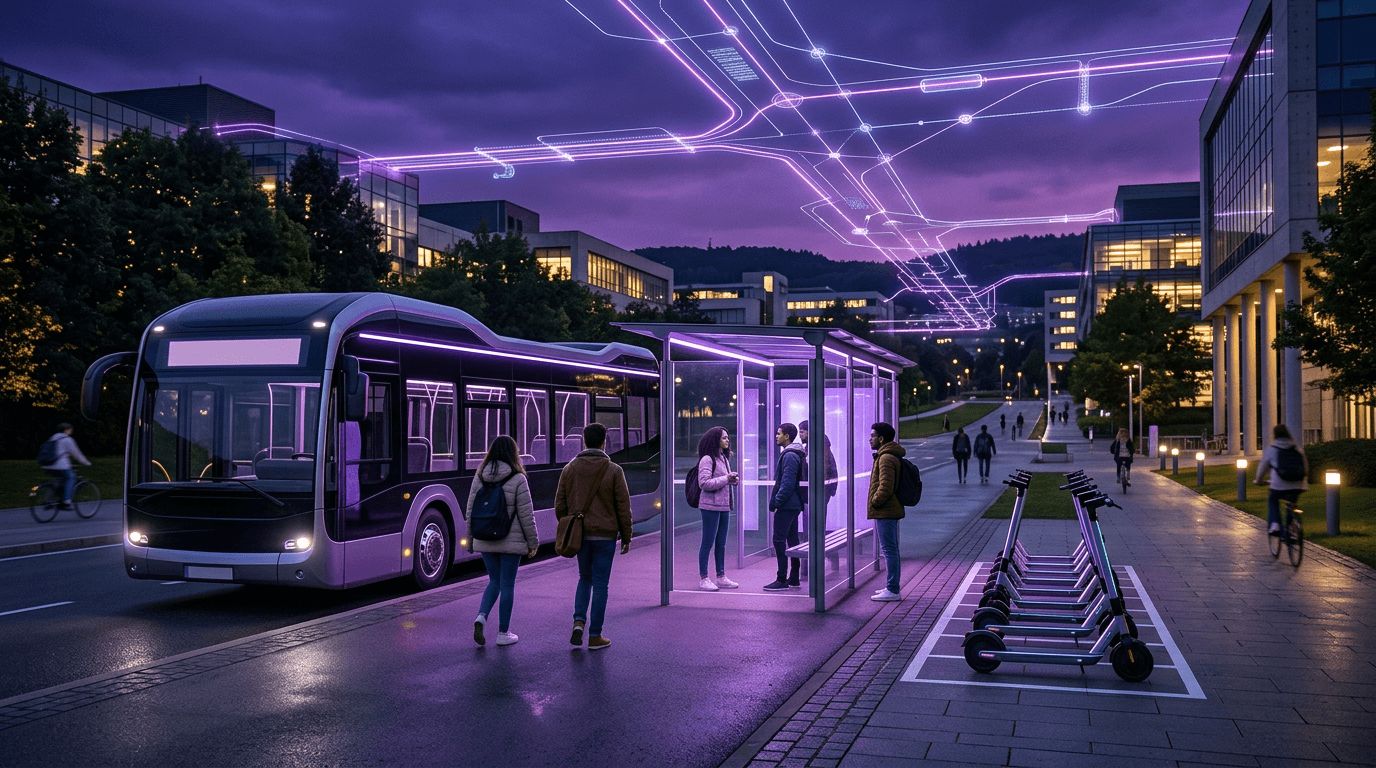
Public Transit in College Station
For a mid-sized city, College Station has an impressive range of transit options. Texas A&M University's bus system carries millions of riders each year, regional transit connects Bryan and surrounding counties, and shared mobility services make short trips easy. These options reduce traffic, lower transportation costs, and expand access for residents who do not drive.
Here are ten public and shared transit services that make getting around College Station easier, along with tips for using them effectively.
The Top 10 Public Transit Services
1. Texas A&M Transportation Services Bus System
Texas A&M operates one of the largest university transit systems in the nation. On-campus and off-campus routes connect academic buildings with apartment communities, making it the backbone of student transportation. Real-time tracking apps help riders plan their trips.
2. Brazos Transit District Fixed Routes
The Brazos Transit District, known as The District, operates fixed-route bus service throughout Bryan and College Station. Affordable fares and connections to shopping, medical centers, and employment areas make it a vital service for the community.
3. Brazos Transit District Demand-Response Service
The District also offers demand-response and paratransit services for riders with disabilities, older adults, and residents in rural areas. Riders can schedule trips in advance for medical appointments and errands.
4. Texas A&M Game Day Shuttles
During home football games and major events, the university operates shuttle services from remote parking lots to Kyle Field. These shuttles reduce congestion and help fans avoid parking challenges.
5. Groome Transportation
Groome connects College Station with Houston's major airports through scheduled shuttles. It is an essential option for travelers who need affordable airport access without driving.
6. Greyhound and FlixBus
Intercity bus services provide affordable connections from the Brazos Valley to cities across Texas and beyond, serving students and residents traveling without a car.
7. Amtrak Thruway Connections
Amtrak Thruway bus connections help travelers reach Amtrak rail stations, linking the Brazos Valley to the national passenger rail network.
8. Veo Micromobility
Veo provides shared scooters and e-bikes on and around campus. These vehicles are perfect for short trips between classes, dining, and nearby apartments.
9. Zipcar at Texas A&M
Zipcar offers car sharing for students, faculty, and staff who need occasional access to a vehicle. Hourly and daily rentals complement public transit for errands and trips outside bus routes.
10. Easterwood Airport Ground Connections
Easterwood Airport, owned by Texas A&M, connects with taxis, rideshare services, and hotel shuttles, providing convenient links between air travel and local transportation.
Benefits of Using Public Transit
Public transit reduces the need for parking, which is limited and costly near campus. It lowers transportation expenses, reduces carbon emissions, and eases traffic congestion during peak times. For students, faculty, and staff, university buses are often free or included in fees, making them an excellent value.
Trends in Local Transportation
College Station is embracing innovation in mobility. Real-time tracking, mobile ticketing, and app-based trip planning have improved the rider experience. Micromobility continues to expand, and research at the Texas A&M Transportation Institute and the RELLIS Campus explores autonomous shuttles, connected vehicles, and smarter traffic systems. Regional planners are also studying ways to improve connections between Bryan, College Station, and surrounding communities.
Tips for Riders
Download transit apps to track buses in real time and receive service alerts. Plan for schedule changes during university breaks and summer sessions, when routes may operate less frequently. On game days, allow extra time and use designated shuttle routes. Respect riding etiquette, keep walkways clear, and offer seats to riders who need them.
Accessibility and Inclusion
Public transit agencies in the Brazos Valley provide accessible vehicles with ramps and priority seating. Paratransit services ensure that riders with disabilities can travel independently. Expanding access to reliable transportation is essential for connecting residents to jobs, healthcare, and education.
Frequently Asked Questions
Can visitors ride the Texas A&M buses?
Fare and access policies can change, so visitors should check the university's current transportation information. Game day shuttles are commonly available to fans attending home football games.
Does public transit connect Bryan and College Station?
Yes. The Brazos Transit District operates routes throughout both cities, connecting neighborhoods with shopping centers, medical facilities, and employment areas.
How can I track buses in real time?
Both university and regional transit services offer apps or online tools that display real-time bus locations, arrival predictions, and service alerts.
Is public transit a good option for commuting to work?
For many residents, especially those living along established routes, public transit is a reliable and affordable way to commute. Combining buses with scooters, bikes, or occasional car sharing can create a flexible routine that reduces fuel, parking, and maintenance costs.
Conclusion
From one of the nation's largest university bus systems to regional transit, airport shuttles, and shared scooters, College Station offers a diverse transportation network. The services above help residents, students, and visitors travel efficiently and affordably throughout the Brazos Valley.