
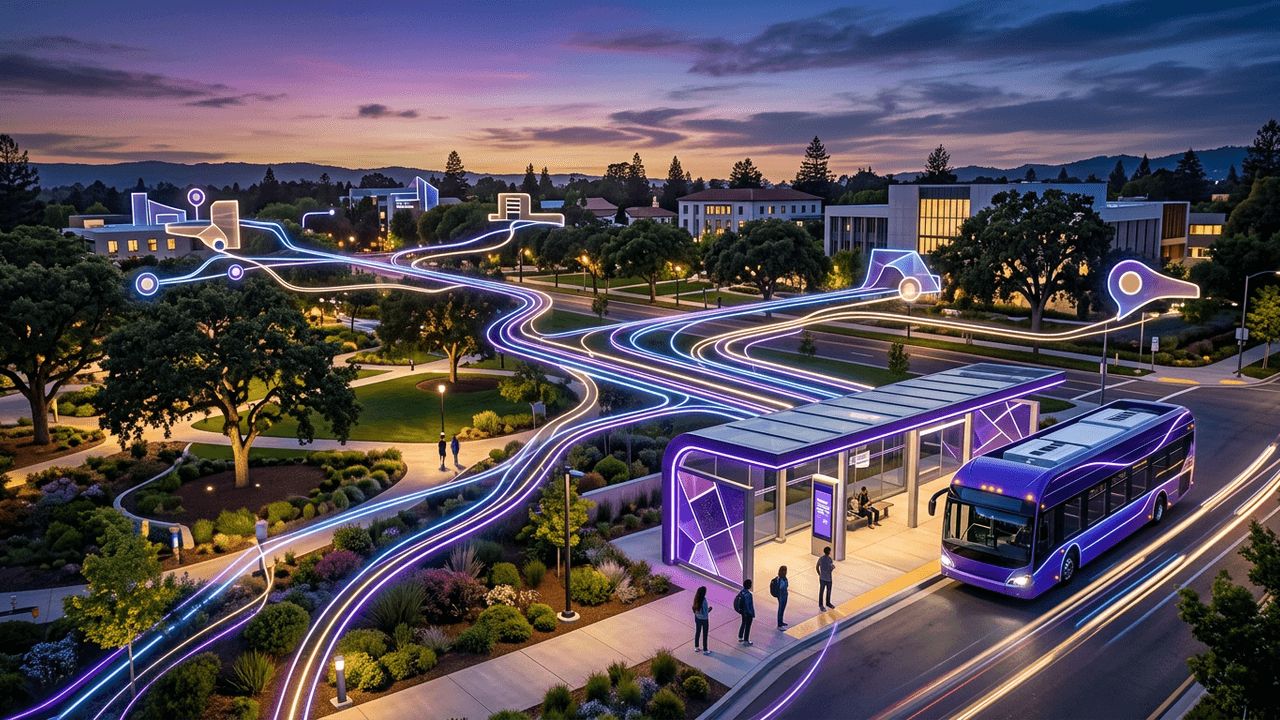
Navigating Chico Without a Car
Chico is one of the most bike-friendly and walkable cities in Northern California, but public transit still plays an essential role for students, seniors, commuters, and visitors. With California State University, Chico at its heart, a lively downtown, major employers like Enloe Medical Center, and growing neighborhoods on the north and east sides, the city depends on a network of buses, regional connections, and on-demand services to keep people moving.
This guide explores the ten best public transit and mobility services available to Chico residents and visitors, explaining what each does well and how they fit together into a practical car-light lifestyle.
How We Evaluated Transit Options
We looked at coverage, frequency, affordability, accessibility, and connectivity to regional destinations. We also considered how well each service meets the needs of specific groups, including university students, older adults, people with disabilities, and travelers heading to Sacramento, Redding, or the Bay Area.
The Top 10 Public Transit Services in Chico
1. B-Line Fixed Route Service
B-Line, operated by Butte Regional Transit under the Butte County Association of Governments, is the backbone of public transportation in Chico. Its fixed routes connect downtown, the university, the Chico Mall area, North Valley Plaza, and residential neighborhoods. The Downtown Chico Transit Center serves as the central hub, making transfers straightforward for daily commuters.
2. B-Line Regional Routes
Beyond city limits, B-Line regional routes link Chico with Oroville, Paradise, Magalia, Gridley, and Biggs. These routes are vital for workers commuting between communities, students attending Butte College, and residents accessing medical appointments and county services.
3. B-Line Paratransit
B-Line Paratransit provides curb-to-curb transportation for riders whose disabilities prevent them from using fixed-route buses. Reservations can be made in advance, and the service mirrors fixed-route coverage areas. It is a lifeline for many older adults and residents with mobility challenges.
4. CSU Chico Student Transit Program
Through partnerships between the university and the transit agency, eligible Chico State students have historically been able to ride B-Line buses using their student identification. This arrangement reduces campus parking pressure and encourages sustainable commuting, and it remains one of the most valuable perks of student life in Chico.
5. Amtrak Coast Starlight at Chico Station
The historic Chico train depot is a stop on Amtrak's Coast Starlight, which runs between Seattle and Los Angeles. Although schedules typically involve late-night arrivals and departures, the train offers a scenic, comfortable way to reach Sacramento, Oregon, and Washington without driving.
6. Amtrak Thruway Bus Connections
Amtrak Thruway buses fill the gaps in rail service by connecting Chico with Sacramento, where travelers can transfer to the Capitol Corridor and San Joaquins trains. Many travelers find these connections more convenient than the overnight Coast Starlight schedule.
7. Greyhound
Greyhound intercity buses provide budget-friendly long-distance travel from Chico to destinations throughout California and beyond. For students heading home for holidays or travelers without access to a car, Greyhound remains a practical, affordable option.
8. Glenn Ride
Operated by Glenn County Transportation, Glenn Ride connects Chico with Orland, Willows, and Hamilton City. The service helps residents of neighboring rural communities reach Chico's shopping, healthcare, and educational resources.
9. Tehama Rural Area Express
Tehama Rural Area Express, known as TRAX, links Red Bluff and other Tehama County communities with the wider North Valley. It expands regional mobility along the Highway 99 corridor and supports workers and students traveling across county lines.
10. Uber and Lyft Rideshare
While not traditional public transit, Uber and Lyft fill an important role in Chico, particularly for late-night trips, airport connections, and areas with limited bus frequency. Many residents combine rideshare with buses or bikes to complete trips efficiently.
Transit Trends in Chico and Butte County
Regional planners continue to focus on improving frequency, adding real-time bus tracking, and modernizing fare payment through mobile apps and contactless options. There is growing interest in zero-emission buses, which aligns with California's statewide clean transit goals. Long-term discussions about expanded passenger rail service through the Sacramento Valley could one day bring more frequent train options to Chico, strengthening regional connectivity.
First-mile and last-mile connections are also a priority. Chico's extensive bike path network, including routes along Lindo Channel and through Bidwell Park, makes it easy to pair cycling with bus travel. Most B-Line buses are equipped with front-mounted bike racks, allowing riders to combine both modes seamlessly.
Tips for Riding Transit in Chico
Download a transit app that supports real-time tracking to reduce waiting time, especially during hot summer afternoons or rainy winter days. Plan ahead for weekend and holiday schedules, which can be reduced. If you rely on paratransit, book trips early, particularly for medical appointments. Visitors arriving by Amtrak late at night should arrange a rideshare or pickup in advance.
The Bottom Line
Chico's transit ecosystem may be modest compared to large metropolitan areas, but it is well suited to the city's size and character. By combining B-Line buses, regional connectors, intercity rail and bus services, and on-demand rides, residents and visitors can enjoy a convenient, affordable, and environmentally friendly way to explore the city and the wider North Valley.