
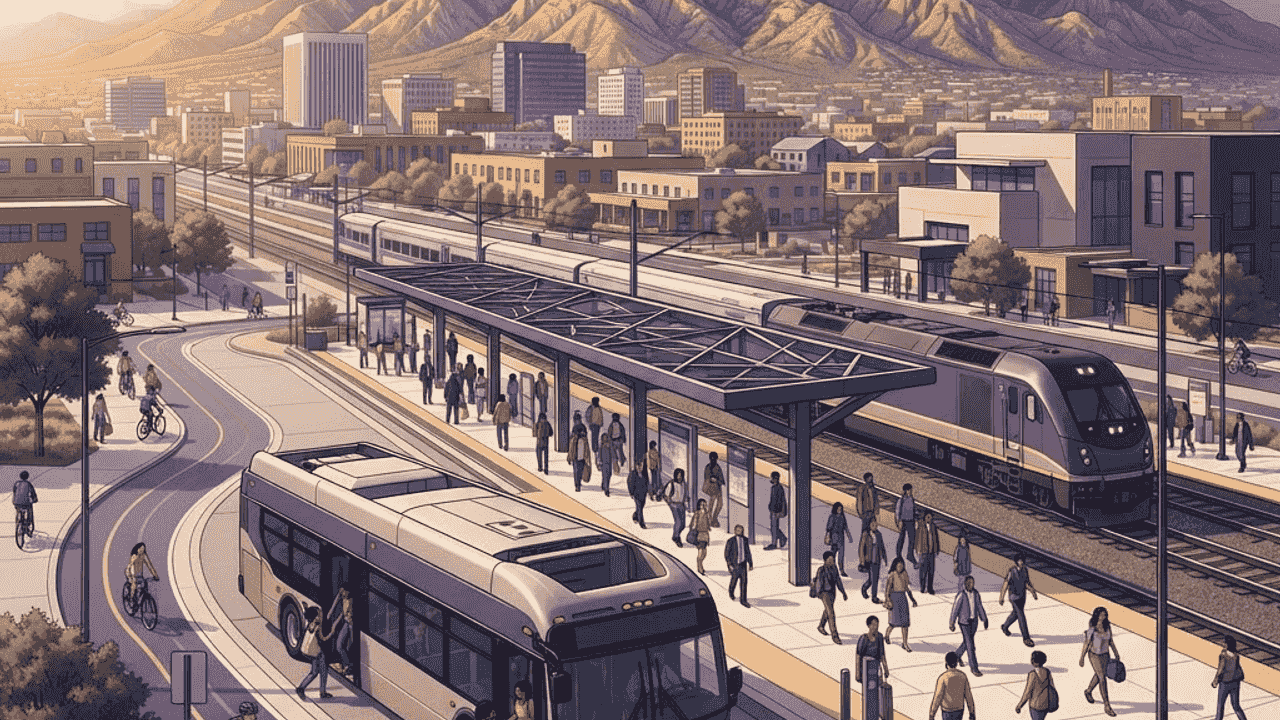
The Role of Public Transit in Albuquerque
Public transit serves as a vital lifeline for thousands of Albuquerque residents, providing affordable and accessible transportation across a sprawling metropolitan area. From daily commuters heading downtown to students traveling to campus, transit services connect people to work, school, and essential services. In a city that stretches across the Rio Grande Valley and up into the foothills, reliable transit reduces traffic congestion, lowers commuting costs, and supports residents who prefer not to rely on personal vehicles. The system plays an important role in shaping a more connected and sustainable community.
Bus Rapid Transit and Everyday Routes
Albuquerque's transit network centers on an extensive bus system that covers major corridors and connects key destinations. The introduction of bus rapid transit along Central Avenue marked a significant advancement, offering faster service with dedicated lanes and modern stations along the historic Route 66 corridor. These enhanced routes reduce travel times and improve reliability for one of the city's busiest thoroughfares. Complementing rapid transit are traditional routes that reach residential neighborhoods, shopping centers, and employment hubs, ensuring broad coverage throughout the metro area.
Regional Rail and Extended Connectivity
Beyond city buses, regional rail service links Albuquerque with communities up and down the Rio Grande corridor. Commuter rail connects the city to Santa Fe and surrounding towns, giving residents a comfortable alternative for longer trips. This regional connectivity supports economic activity by allowing workers to live in one community while commuting to jobs in another. The integration of rail and bus services creates a more cohesive transportation network, giving travelers flexible options for reaching destinations across north-central New Mexico.
Accessibility and Inclusive Service
A hallmark of quality public transit is its commitment to accessibility. Albuquerque's transit services prioritize inclusive design, offering wheelchair-accessible vehicles, paratransit options for riders with disabilities, and features that assist elderly passengers. Discounted fares for students, seniors, and low-income residents make transit an equitable option for a broad cross-section of the community. These inclusive practices ensure that public transportation remains available to everyone, regardless of physical ability or economic circumstance, reinforcing its role as an essential public service.
Sustainability and Innovation
Public transit contributes meaningfully to Albuquerque's environmental goals by reducing the number of individual vehicles on the road. Transit agencies have increasingly adopted cleaner technologies, including fuel-efficient and electric buses that lower emissions. Real-time tracking apps and digital fare payment options have modernized the rider experience, making transit more convenient and appealing. These innovations reflect a forward-looking approach that aligns with the city's efforts to promote clean air and sustainable growth across the high desert region.
The Future of Getting Around
As Albuquerque continues to grow, public transit will remain central to the city's mobility strategy. Ongoing investments in rapid transit, expanded routes, and technology upgrades promise to make the system even more efficient and user-friendly. For residents seeking an affordable, environmentally responsible way to navigate the city, public transit offers a compelling solution. By connecting neighborhoods, supporting local businesses, and reducing congestion, transit services will continue to shape a more accessible and vibrant Albuquerque for generations to come.