
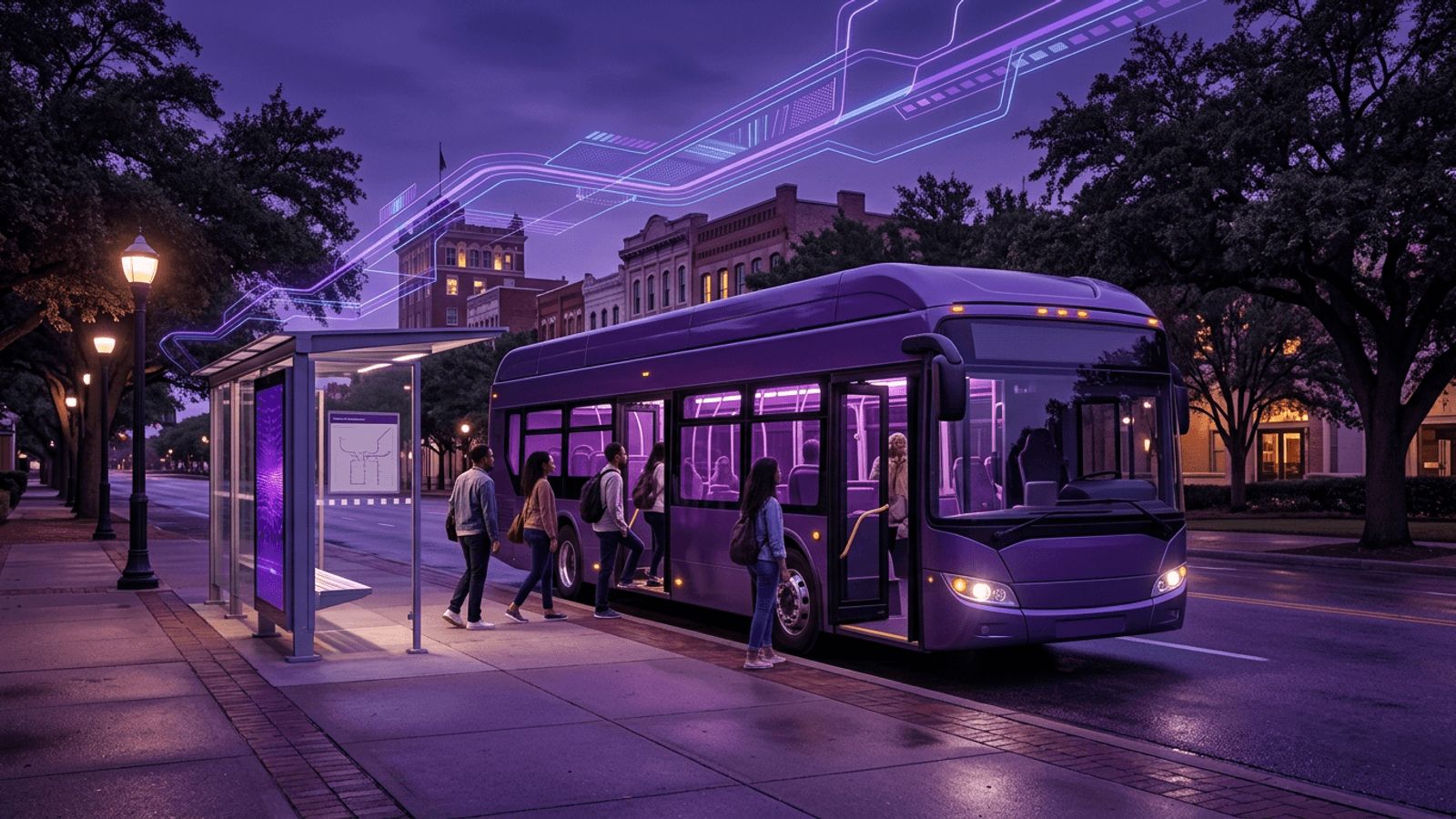
Public Transportation in Abilene
Public transit plays an important role in making Abilene accessible to everyone. Students, seniors, people with disabilities, and residents who do not own a vehicle rely on buses and shared services to reach jobs, medical appointments, classes, and grocery stores. A strong transit network supports economic opportunity and quality of life for the entire community.
While Abilene is a car-oriented city, its transit options cover the core areas where people live, work, and shop. Combined with regional services and intercity buses, these options connect the Key City with the broader Big Country.
What Makes Transit Effective
Effective transit offers reliable schedules, convenient routes, affordable fares, and accessible vehicles. Real-time tracking and clear route information help riders plan trips with confidence. Safe, comfortable stops with shade and seating are particularly important in the West Texas climate, where summer heat can be intense.
Connectivity is just as important as coverage. The most useful transit systems link routes at convenient transfer points, align schedules with shift changes at major employers, and coordinate with intercity buses so riders can complete longer journeys. Clear signage, friendly drivers, and accessible information in multiple formats help new riders feel confident using the system for the first time.
The Top 10 Public and Shared Transit Services in Abilene
1. CityLink Fixed-Route Bus Service
CityLink is Abilene's public transit system, operating fixed bus routes throughout the city. Routes connect neighborhoods with downtown, major shopping areas, healthcare facilities, colleges, and employment centers. Affordable fares and discounted options for seniors, students, and riders with disabilities make it an essential community resource.
2. CityLink Paratransit
CityLink's paratransit service provides door-to-door transportation for eligible riders with disabilities who cannot use fixed-route buses. Advance reservations ensure dependable trips to medical appointments, work, and daily errands.
3. Central Texas Rural Transit District
Regional rural transit services connect residents of surrounding counties with Abilene for medical care, shopping, and employment. These services are vital for rural communities across the Big Country with limited transportation options.
4. Greyhound Intercity Service
Greyhound connects Abilene with cities along the Interstate 20 corridor and beyond. It is an affordable option for travelers heading to Dallas-Fort Worth, Midland, Odessa, and El Paso.
5. FlixBus
FlixBus offers low-cost intercity travel with app-based ticketing and modern buses, partnering with Greyhound on many routes throughout Texas.
6. University Campus Shuttles
Abilene's universities provide shuttle services and transportation for campus events, helping students without cars move between campus, housing, and special events.
7. Medicaid Non-Emergency Medical Transportation
Eligible Texas Medicaid recipients can schedule free rides to medical appointments through state-supported programs. This service ensures access to healthcare for residents who lack transportation.
8. Senior Transportation Programs
Community organizations serving older adults in Abilene coordinate rides for seniors to appointments, grocery stores, and social activities, supporting independence and well-being.
9. Rideshare as First and Last Mile
Uber and Lyft complement public transit by covering the first or last part of a trip, such as reaching a bus stop or traveling during hours when buses are not operating.
10. Employer and Workforce Shuttles
Some large employers and construction projects in the Abilene area provide shuttle transportation for workers, reducing parking demand and helping employees commute reliably.
Tips for Riding Transit in Abilene
Review route maps and schedules before your trip, as frequency can vary throughout the day and on weekends. Arrive at stops a few minutes early, carry exact fare or use available payment options, and bring water during hot weather. Riders who need paratransit should apply for eligibility in advance and book trips as early as possible.
Bikes can often be carried on bus racks, extending how far you can travel. Plan your return trip ahead of time, especially in the evening, to avoid missing the last bus.
Transit Trends and the Future
Transit agencies across Texas are exploring on-demand microtransit, real-time arrival apps, and cleaner vehicles. As Abilene grows, particularly with new employment centers on the north and south sides of the city, transit planners face opportunities to expand coverage and improve frequency.
Investments in accessible stops, shaded shelters, and digital fare payment can make transit more attractive to new riders. Partnerships with employers and universities may also help align service with the places people need to go most.
Why Transit Matters for the Community
Reliable public transportation reduces household transportation costs, supports local businesses by bringing customers to their doors, and helps employers recruit workers. It also provides independence for seniors and people with disabilities, ensuring everyone can participate fully in community life. For students and young workers, affordable transit can be the difference between accepting a job across town and turning it down.
Final Thoughts
Abilene's public and shared transit services provide essential connections across the city and region. Whether you ride CityLink daily, use paratransit for appointments, or catch an intercity bus, these services keep the Key City moving.