
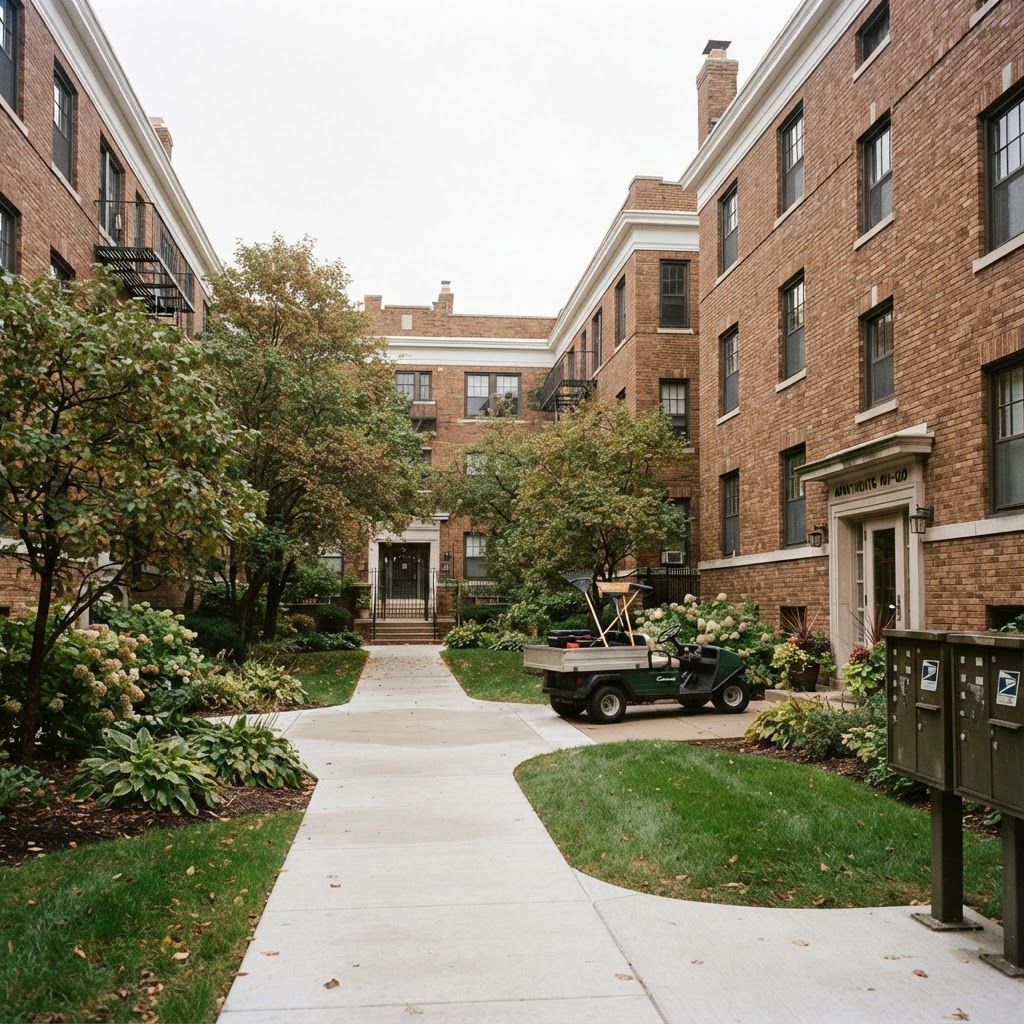
St. Louis is one of the most attractive rental markets in the country for small and mid-sized investors. Acquisition prices remain reasonable relative to achievable rents, the tenant base is stable, and the region's housing stock includes an abundance of two-family and four-family brick buildings that produce strong cash flow. But that same housing stock is old, and old buildings punish deferred maintenance. Property management in this market is therefore less about collecting rent and more about disciplined operations: preventive maintenance, fast turnover, careful tenant screening, and rigorous compliance with municipal occupancy and inspection rules that vary by jurisdiction.
What Property Managers Actually Do
A full-service manager handles marketing and leasing, tenant screening, lease execution, rent collection, maintenance coordination, financial reporting, and, when necessary, eviction proceedings. Fees typically combine a percentage of collected rent with a leasing fee for new tenant placement, plus possible charges for renewals, maintenance coordination, and project oversight. Some firms also offer construction management for renovations and asset management advice on hold-versus-sell decisions. Owners should distinguish between residential single-family and small multifamily managers, large apartment community operators, and commercial managers, because the systems and expertise required differ substantially.
The 10 Best Property Management Companies in St. Louis
1. Mills Properties
One of the largest apartment managers in the region, Mills Properties operates a substantial portfolio of communities across the metro. Its scale supports professional leasing operations, centralized maintenance dispatch, and consistent resident experience standards.
2. Gershman Commercial Real Estate
Gershman's property management division serves commercial and mixed-use owners with institutional-grade reporting, budgeting, and vendor management, backed by decades of St. Louis market experience.
3. Hermann London Property Management
A locally rooted firm well known among small investors, Hermann London manages single-family and small multifamily rentals across city and county neighborhoods, with a reputation for transparent communication and investor-focused advice.
4. STL Home Solutions
Focused on residential rentals, STL Home Solutions handles leasing, maintenance, and compliance for owners who want a hands-off arrangement, particularly out-of-state investors who need reliable local eyes on their properties.
5. Grand Property Management
Grand manages a mix of residential and small commercial assets with an emphasis on operational discipline, timely maintenance response, and structured monthly financial reporting.
6. Ashland Property Management
Ashland works extensively with city properties, including historic multifamily buildings, and understands the practical realities of maintaining older systems while keeping units leased and compliant.
7. Roberts Property Management
Roberts serves owners across the metro with a service model built around tenant retention, recognizing that reducing turnover is usually the single highest-impact lever on net operating income.
8. Balke Brown Transwestern
For office, medical office, and mixed-use owners, Balke Brown Transwestern provides management paired with development and construction capability, which is useful for assets requiring repositioning.
9. Lakeside Property Management
Lakeside focuses on residential portfolios in the western suburbs and St. Charles County, offering leasing and maintenance services calibrated to newer suburban housing stock.
10. Sansone Group
Sansone's management arm handles retail and industrial assets alongside its development pipeline, giving owners access to leasing intelligence informed by active development in the same submarkets.
How to Evaluate a Property Manager
Ask for hard numbers rather than promises. What is the current portfolio occupancy? What is the average days-to-lease for a vacant unit? What percentage of tenants renew? How many units does each property manager handle, since caseload directly predicts responsiveness? Then examine the money. Request a sample owner statement and confirm you will see itemized invoices, not lump-sum maintenance charges. Ask whether the firm marks up maintenance work, owns an affiliated contracting company, or receives vendor rebates, and get the answer in writing. Clarify the maintenance approval threshold above which they must contact you. Finally, read the management agreement's termination clause. A firm confident in its performance does not need a long lock-in period.
Local Compliance Details That Matter
St. Louis-area rental operations involve jurisdiction-specific requirements. Many municipalities mandate occupancy permits and inspections between tenancies, and some require rental licensing with periodic re-inspection. Lead-based paint disclosure obligations apply broadly given the age of local housing, and lead-safe work practices are required for many renovation activities. Security deposit handling, notice periods, and eviction procedure are governed by Missouri law and must be followed precisely, since procedural errors reset timelines and multiply costs. A competent manager treats compliance as routine rather than exceptional.
Trends in Local Property Management
Technology adoption has accelerated sharply. Online applications with integrated screening, digital lease execution, tenant portals for payments and maintenance requests, and self-guided showings have compressed leasing timelines and reduced administrative friction. Owners increasingly expect real-time dashboards rather than monthly PDFs. On the operational side, labor scarcity in skilled trades has made in-house maintenance teams a competitive advantage for larger managers. Insurance costs have risen materially, pushing managers toward proactive roof, plumbing, and electrical replacement schedules rather than reactive repair. Finally, resident experience has become a genuine retention strategy, with improved communication standards and amenity investments replacing the adversarial landlord-tenant posture that once characterized parts of the market.
Final Thoughts
The right property management company in St. Louis pays for itself through faster leasing, lower turnover, better maintenance pricing, and avoided compliance mistakes. Choose based on measurable performance, fee transparency, and portfolio fit, not on the lowest percentage quoted. A manager charging a point more but keeping units occupied and buildings sound will outperform a cheap manager every single year.