
Polymer Innovation in Greater Wilmington
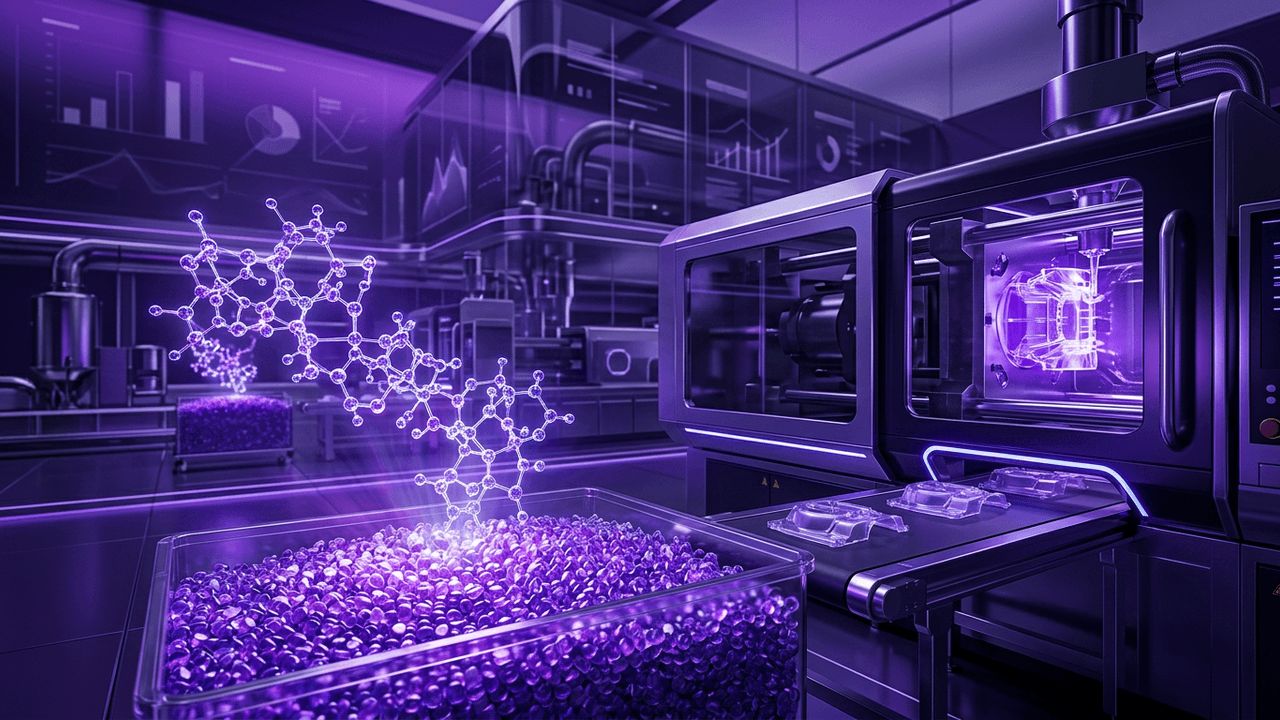
Wilmington's role in the plastics industry is rooted in pioneering polymer research. Scientists at DuPont's Experimental Station discovered or commercialized nylon, Teflon, Delrin acetal resin, and many other polymers that changed manufacturing. That expertise continues today in companies that produce specialty polymers, fluoropolymers, PVC, foams, and polymer additives used in construction, healthcare, electronics, and consumer goods.
Here are ten plastic and polymer manufacturers that make Greater Wilmington a vital part of the global plastics supply chain.
The Top 10 Plastic and Polymer Manufacturers
1. Formosa Plastics
Formosa Plastics operates a PVC production facility in Delaware City. PVC is one of the most widely used plastics, essential for pipes, siding, flooring, and medical tubing.
2. Chemours
Chemours produces fluoropolymers including Teflon PTFE and other high-performance resins. These materials offer exceptional chemical resistance and heat tolerance, making them vital for semiconductors, aerospace, and industrial applications.
3. DuPont
DuPont continues to develop engineered polymers and specialty materials for healthcare, water filtration, and protective applications. Its Experimental Station remains a hub for polymer science.
4. W. L. Gore and Associates
Gore is known for expanded PTFE, a versatile polymer used in fabrics, medical implants, filtration, and industrial seals. The company's Delaware roots and engineering culture have made it a polymer innovator for decades.
5. Delrin USA
Delrin acetal homopolymer, originally developed by DuPont, is a strong, stiff engineering plastic used in gears, fasteners, and automotive parts. The business now operates independently and continues to supply manufacturers worldwide.
6. Polymer Technologies, Inc.
Based in Newark, Polymer Technologies manufactures acoustic and thermal foams and engineered polymer solutions for automotive, industrial, and commercial customers.
7. Ashland
Ashland produces specialty polymers and additives used in pharmaceuticals, personal care, and coatings, including cellulose-based ingredients that serve as binders and thickeners.
8. Croda
Croda's New Castle site produces specialty ingredients, including additives that improve the processing and performance of plastics and coatings.
9. The LYCRA Company
The LYCRA Company manufactures elastane polymers and fibers, applying advanced polymer chemistry to create stretch materials used in clothing and hygiene products.
10. Qnity Electronics
Qnity produces specialty polymer materials for electronics manufacturing, including photoresists and dielectric materials used in semiconductor fabrication and advanced packaging.
The Importance of Plastics in Modern Industry
Plastics are lightweight, durable, and versatile, enabling innovations in medical devices, fuel-efficient vehicles, electronics, and energy-efficient buildings. High-performance polymers developed in the Wilmington area are particularly valuable in demanding environments where metal or glass would fail.
Industry Trends
The plastics industry is focused on sustainability and circularity. Companies are investing in recycled content, chemical recycling, and bio-based polymers. Regulatory scrutiny of fluorinated chemicals is driving changes in production processes and product development. Demand for high-performance polymers continues to grow in semiconductors, electric vehicles, and healthcare, while lightweighting remains important for transportation and aerospace.
How to Choose a Plastics Supplier
When selecting a plastics or polymer supplier, evaluate material performance data, regulatory certifications, technical support, and supply reliability. For custom applications, look for partners with application development labs and engineering teams who can help optimize materials for your product.
Frequently Asked Questions
What are engineering plastics?
Engineering plastics are polymers with superior mechanical strength, heat resistance, or chemical resistance compared with commodity plastics. Examples include acetal, nylon, and fluoropolymers, which are often used to replace metal parts.
What are fluoropolymers used for?
Fluoropolymers such as PTFE resist heat, chemicals, and friction. They are used in semiconductor equipment, aerospace wiring, medical devices, industrial seals, and nonstick coatings.
Is plastic recycling improving?
Yes. Investments in advanced sorting, mechanical recycling, and chemical recycling technologies are increasing the amount of plastic that can be reused. Product designers are also creating packaging that is easier to recycle.
What regulations affect plastics manufacturers?
Manufacturers must comply with environmental permits, workplace safety rules, and product regulations such as food-contact and medical-device standards. Growing restrictions on certain PFAS chemicals are also influencing how some fluorinated materials are produced and used.
How do I select the right polymer for my product?
Start by defining performance requirements such as temperature range, strength, chemical exposure, and regulatory needs. Then work with a supplier's application engineers to test candidate materials and evaluate cost, processability, and lifecycle impact.
What careers are available in the plastics industry?
Roles include polymer scientists, process engineers, mold designers, quality technicians, and plant operators. The University of Delaware's materials science and chemical engineering programs are well-known pipelines into the industry.
Why is Greater Wilmington important to polymer research?
Decades of corporate research, a concentration of experienced polymer scientists, and strong university programs have made the region a magnet for materials innovation. That expertise allows local manufacturers to develop specialized grades quickly and to support customers with deep technical knowledge that is difficult to find elsewhere.
Final Thoughts
Greater Wilmington has shaped the plastics industry for nearly a century. The companies highlighted here combine deep scientific expertise with a commitment to innovation and responsible manufacturing, ensuring the region remains a leader in polymer technology.