
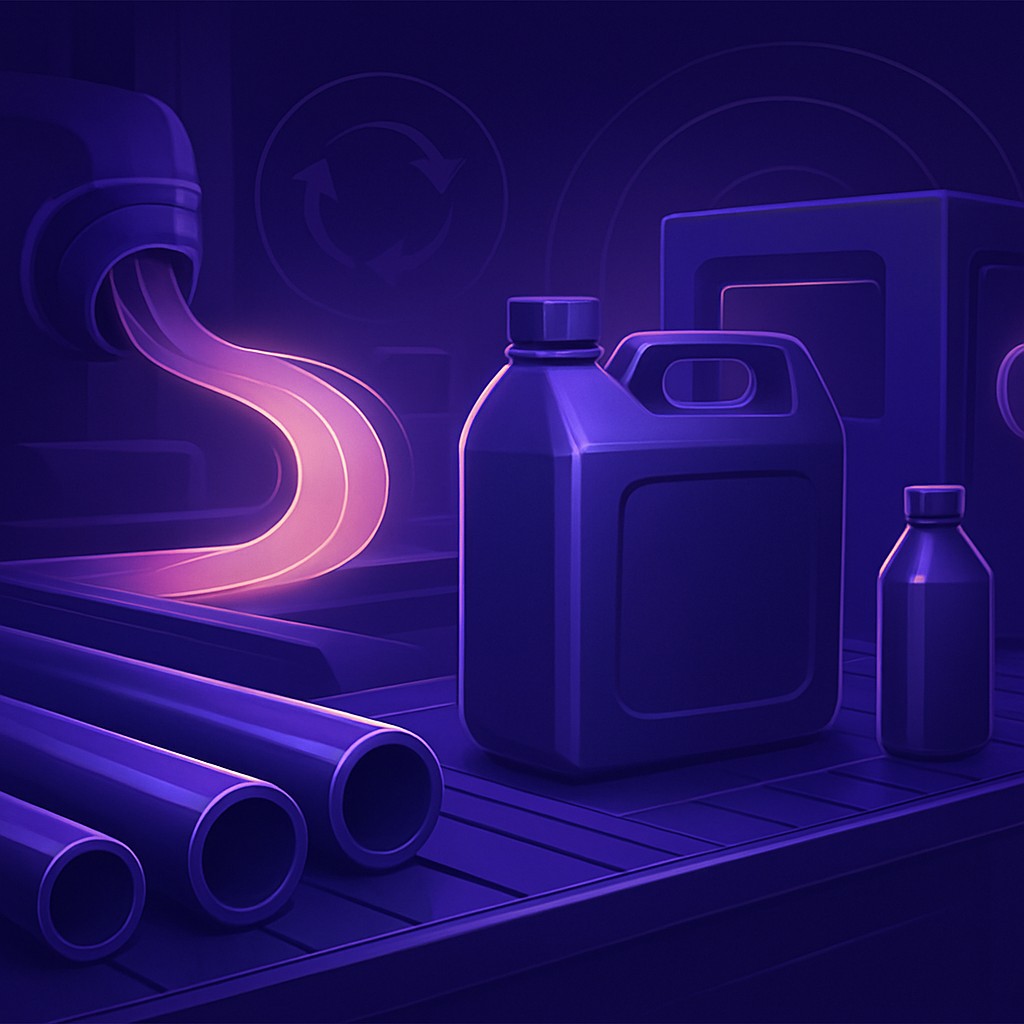
A Versatile and Essential Industry
Plastic manufacturing is a versatile and essential industry that supplies products used across virtually every sector of the economy. In Ecuador, plastic manufacturers produce packaging, pipes and fittings, household goods, agricultural products, and industrial components. These products support industries ranging from food and beverage to construction and agriculture, making the sector a vital part of the national economy.
The plastics industry in Ecuador serves both domestic markets and regional exports. From flexible packaging that protects food products to durable pipes used in infrastructure, plastic products play an indispensable role in modern life. Understanding the leading plastic manufacturers offers insight into a sector that underpins much of the country's economic activity.
The Scope of Plastic Manufacturing
Ecuador's plastic manufacturers operate across several segments. Packaging producers manufacture flexible and rigid packaging for food, beverages, and consumer goods, supporting the country's important food industry and export crops. Manufacturers of pipes and fittings supply products for water systems, construction, and infrastructure.
Producers of household and consumer plastics create items such as containers, furniture, and everyday products. Agricultural plastics manufacturers supply films, irrigation products, and packaging used in farming. Industrial plastics producers provide components and materials for manufacturing. This diversity reflects the broad applications of plastic products.
Leading Plastic Companies
Among Ecuador's plastic manufacturers are well-established companies serving various markets. Plásticos Rival is a notable producer of a wide range of plastic products, including household goods and packaging, with a strong presence in the domestic market. Plastigama is well known for producing pipes, fittings, and water management products used in construction and infrastructure.
Companies specializing in flexible packaging serve the food, beverage, and export sectors, providing essential packaging solutions. Manufacturers of rigid containers and bottles support a range of industries. Producers of agricultural plastics supply films and products that benefit the farming sector, which is central to Ecuador's economy.
Numerous other manufacturers produce specialized plastic components, industrial products, and consumer goods. These firms combine modern manufacturing technologies with an understanding of local market needs. Together, they form a comprehensive and capable plastics industry that serves diverse applications.
Trends and Sustainability
The plastics industry in Ecuador is increasingly shaped by sustainability concerns. Growing awareness of environmental issues related to plastic waste has prompted manufacturers to explore recycling, the use of recycled materials, and the development of more sustainable products. This shift reflects global trends and evolving consumer expectations.
Many manufacturers are investing in recycling capabilities and exploring biodegradable and recyclable materials. Efforts to reduce waste, improve efficiency, and minimize environmental impact are becoming central to the industry's development. The adoption of modern production technologies also enhances quality and competitiveness while supporting sustainability goals.
Economic Importance and Employment
The plastics industry makes significant contributions to Ecuador's economy. It provides employment in manufacturing, supports supply chains, and supplies essential products to numerous sectors. By producing plastics domestically, the industry helps retain economic value and ensures reliable access to important materials.
The sector supports key industries such as food and beverage, construction, and agriculture, enabling them to operate efficiently. Packaging products, in particular, are essential to the export of Ecuador's agricultural goods. The industry's contribution to employment and economic activity underscores its strategic importance.
Challenges Facing the Industry
Plastic manufacturers in Ecuador face several challenges. Environmental concerns and growing regulation related to plastic waste require the industry to adapt and invest in sustainable solutions. Dependence on imported raw materials, such as resins, can affect costs and supply stability. Competition from imported products adds further pressure.
Balancing the demand for affordable, versatile plastic products with the need for environmental responsibility is a central challenge. Manufacturers that invest in recycling, sustainable materials, and efficient production are better positioned to navigate these pressures. Addressing waste management and embracing circular economy principles will be increasingly important.
The Future of Plastic Manufacturing
The outlook for Ecuador's plastics industry depends on its ability to balance versatility and affordability with sustainability. Manufacturers that invest in recycling, sustainable materials, and modern technologies will be well positioned for the future. The growing emphasis on environmental responsibility presents opportunities for firms that lead in sustainable plastics.
Conclusion
Ecuador's plastic manufacturers, including companies like Plásticos Rival and Plastigama, supply essential products that support packaging, construction, agriculture, and consumer markets. By providing versatile, quality products and increasingly embracing sustainability, these companies contribute significantly to the economy. As the industry adapts to environmental challenges and invests in recycling and innovation, its leaders will continue to play a vital role in Ecuador's industrial future.