
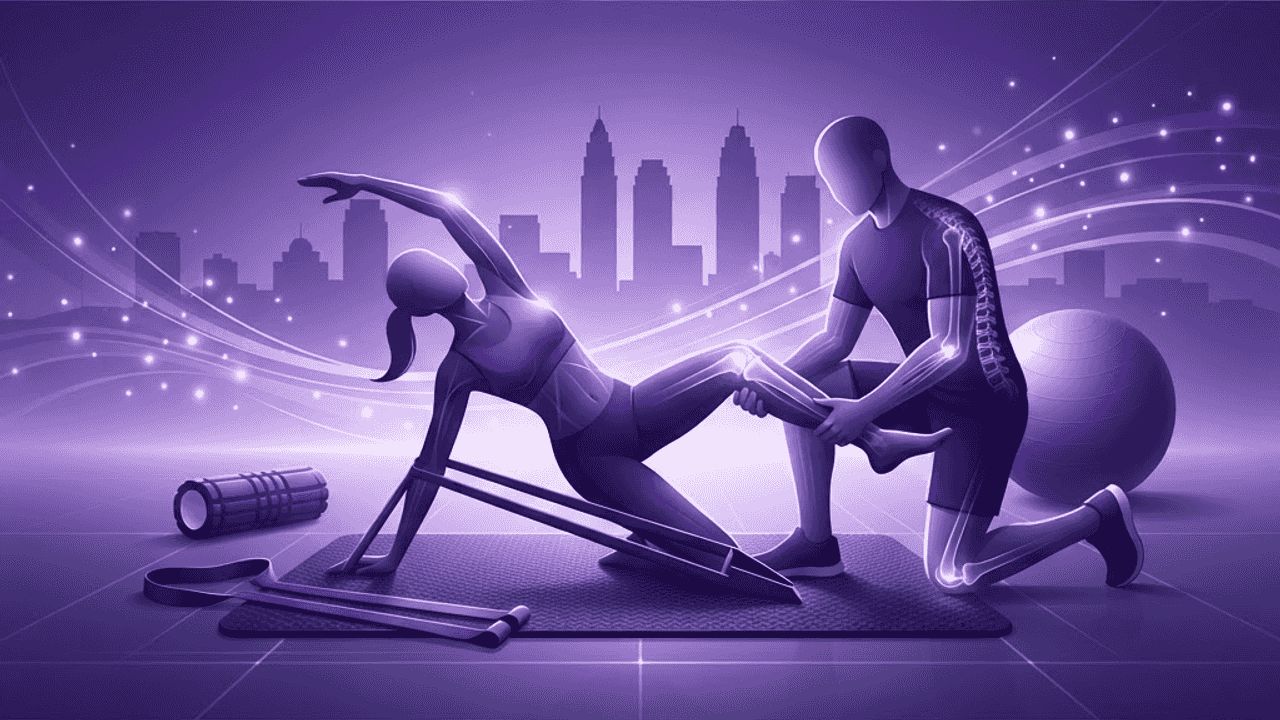
Why Physical Therapy Matters in Cleveland
Physical therapy sits at the intersection of injury recovery, chronic pain management, and long-term function. For many musculoskeletal conditions, well-designed rehabilitation produces outcomes comparable to surgery at lower cost and risk. Ohio's direct access provisions allow patients to begin physical therapy without a physician referral in many circumstances, though insurance rules may still require one.
Cleveland's demand profile is broad. The region supports professional and collegiate athletics, a large manufacturing and healthcare workforce with occupational injury exposure, an aging population managing arthritis and joint replacement recovery, and a substantial neurological rehabilitation need following stroke and spinal cord injury. That variety has produced genuinely specialized clinics rather than one-size-fits-all practices.
The 10 Best Physiotherapy Centers in Cleveland
1. Cleveland Clinic Rehabilitation and Sports Therapy
Cleveland Clinic operates an extensive network of rehabilitation and sports therapy locations across Northeast Ohio, integrated with its orthopedic and neurological programs. Therapists work directly with surgeons on post-operative protocols, which improves continuity after joint replacement or ligament reconstruction. Specialized services include vestibular rehabilitation, pelvic health therapy, hand therapy, and return-to-sport testing for athletes.
2. University Hospitals Rehabilitation Services
University Hospitals provides physical, occupational, and speech therapy across numerous locations, connected to its academic medical center and sports medicine program. Its therapists handle orthopedic recovery, neurological rehabilitation, lymphedema management, and cardiac and pulmonary rehabilitation. The academic affiliation supports evidence-based protocols and access to specialists when recovery does not follow the expected trajectory.
3. MetroHealth Rehabilitation Institute of Ohio
MetroHealth's rehabilitation institute is a regional leader in complex inpatient and outpatient rehabilitation, particularly for spinal cord injury, traumatic brain injury, stroke, and amputation. Its connection to a Level I trauma center means continuity from acute injury through long-term functional recovery. Advanced equipment, adaptive technology, and driver rehabilitation programs support genuine independence rather than just symptom improvement.
4. ATI Physical Therapy
ATI operates numerous clinics throughout Greater Cleveland with a focus on orthopedic and sports rehabilitation, work injury management, and post-surgical recovery. Its scale supports standardized outcome tracking, which allows objective progress measurement rather than subjective impression. Complimentary injury screenings and workers compensation experience make it a common choice for occupational injuries.
5. Athletico Physical Therapy
Athletico's Cleveland-area clinics emphasize sports performance and injury prevention alongside conventional rehabilitation. Services include manual therapy, dry needling at select locations, running gait analysis, and throwing programs for overhead athletes. Its athletic training partnerships with schools and clubs give therapists direct familiarity with the demands specific athletes will return to.
6. Select Physical Therapy
Select Physical Therapy maintains clinics across the region offering orthopedic rehabilitation, industrial rehabilitation, and specialty programs including hand therapy and vestibular treatment. Its work injury services include functional capacity evaluations and job-specific conditioning, which matter for patients whose return to work involves lifting, climbing, or repetitive tasks rather than desk duties.
7. IvyRehab Physical Therapy
IvyRehab operates neighborhood clinics with an emphasis on one-on-one therapist time rather than high-volume group treatment. Programs cover orthopedic injuries, balance and fall prevention for older adults, pediatric therapy at select sites, and post-surgical rehabilitation. Patients who have felt rushed at busier clinics often cite the extended hands-on time as the deciding factor.
8. Cleveland Physical Therapy Associates
This locally rooted practice focuses on orthopedic and manual therapy with an emphasis on individualized evaluation and hands-on treatment. Being independent allows flexibility in visit length and treatment approach without corporate scheduling templates. It appeals particularly to patients with persistent problems that have not resolved through more standardized programs elsewhere.
9. Elite Sports Medicine and Physical Therapy
Oriented toward athletes and active adults, this type of specialized center emphasizes performance restoration rather than basic pain relief. Programs typically include strength and conditioning integration, movement screening, sport-specific return criteria, and injury prevention work. It suits competitive athletes and recreational participants who want measurable readiness before resuming full activity.
10. Achieve Orthopedic Rehab Specialists
Focused on orthopedic recovery, this category of clinic handles post-surgical protocols, spine rehabilitation, joint replacement recovery, and chronic pain management with a structured progression model. Close communication with referring orthopedic surgeons keeps rehabilitation aligned with healing timelines, which reduces both re-injury risk and unnecessarily cautious delays in progression.
Trends in Rehabilitation
Evidence continues to favor active treatment over passive modalities. Progressive loading, motor control retraining, and graded exposure to feared movements now form the core of most protocols, while heat, ultrasound, and electrical stimulation serve supporting roles at most. Blood flow restriction training and objective strength testing have become more common in sports rehabilitation.
Telerehabilitation has found a durable niche for home exercise supervision, education, and follow-up between in-person sessions. Pain science education is also increasingly central, particularly for persistent pain, where understanding the nervous system's role can change outcomes as much as any exercise prescription. Fall prevention programs for older adults have expanded significantly given the cost and consequence of hip fractures.
How to Choose a Physiotherapy Center
Match specialization to your condition. A stroke survivor needs neurological rehabilitation expertise, an overhead athlete needs shoulder and throwing specialization, and a post-partum patient may need pelvic health training. Ask directly about the therapist's experience with your specific diagnosis and about relevant certifications.
Ask how sessions are structured. Will you see the same therapist each visit? How much time is one-on-one with a licensed therapist versus an aide? How many patients does the therapist treat simultaneously? These logistics affect results substantially. Also confirm insurance visit limits and copays early, since therapy involves repeated visits and costs accumulate quickly.
Final Thoughts
Cleveland's rehabilitation resources range from world-class complex neurological rehabilitation to neighborhood orthopedic clinics and sports-focused performance centers. The most important variables are therapist expertise in your specific condition, consistent one-on-one attention, and your own adherence to the home program. Physical therapy rewards participation more than almost any other treatment, and choosing a clinic you will actually attend consistently is half the outcome.