
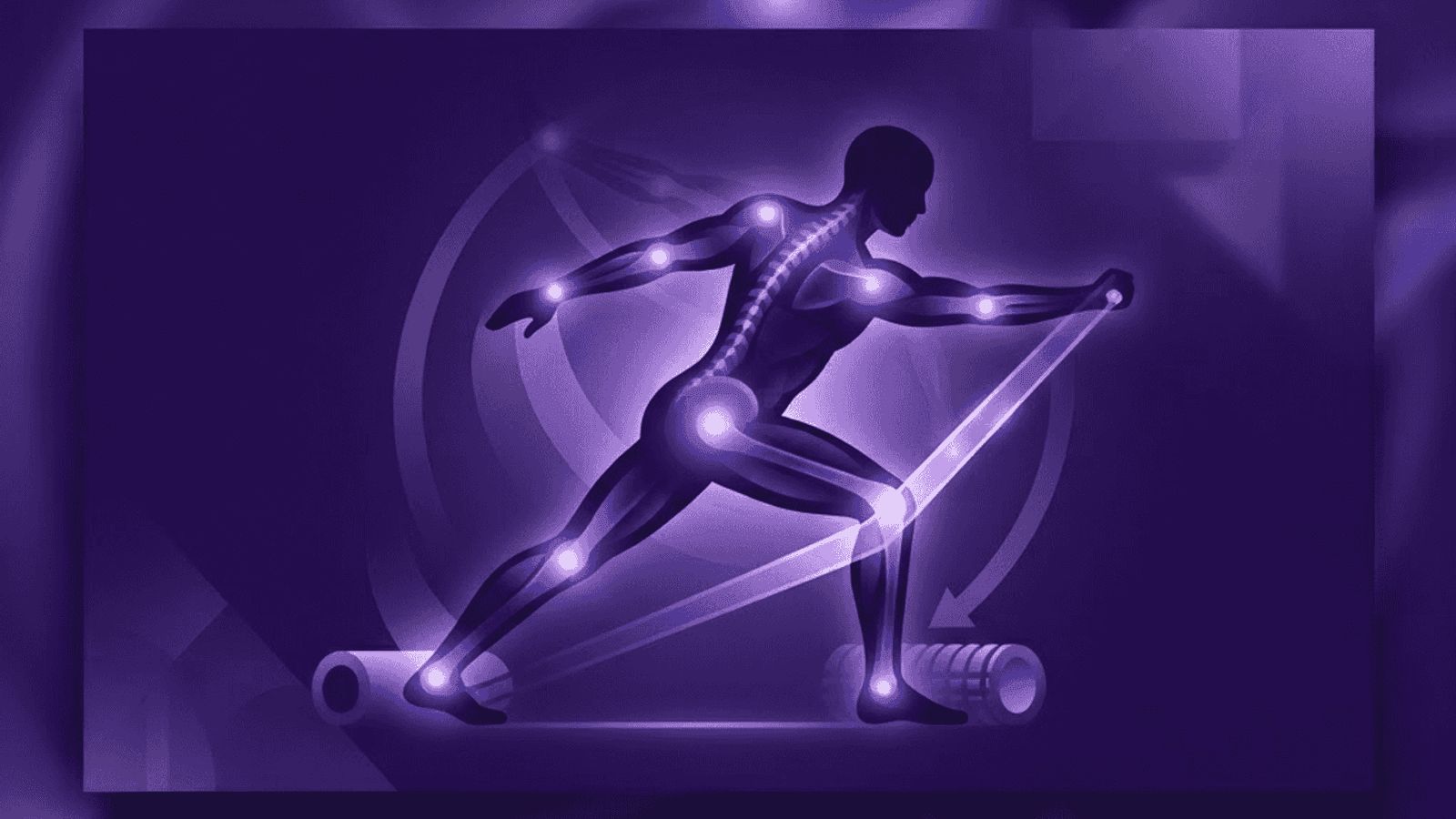
Rehabilitation Is No Longer the Last Resort
For decades physiotherapy was something people tried after medication and surgery had been exhausted. That order has reversed. Current evidence for conditions such as chronic low back pain, knee osteoarthritis, rotator cuff dysfunction, and non-specific neck pain consistently favours structured exercise and manual therapy as first-line treatment, with imaging and surgery reserved for cases that genuinely require them.
Aurora has responded to this shift with a noticeably more sophisticated physiotherapy sector. Clinics now perform detailed movement assessments, prescribe progressive loading programmes instead of generic exercise sheets, and measure outcomes with objective strength and function tests. Passive modalities like ultrasound and heat still exist, but the better centres treat them as adjuncts rather than the treatment itself.
What Good Physiotherapy Looks Like
Three things distinguish effective rehabilitation. First, a real assessment: history, movement screening, strength and range measurement, and a working diagnosis rather than a vague label. Second, active treatment — loaded exercise progressed over weeks, because tissue adapts to load and nothing else. Third, education: a patient who understands why their tissue hurts, what aggravates it, and how long adaptation takes is far more likely to recover and stay recovered.
A clinic that hands every patient the same protocol, relies mainly on machines, or cannot tell you what your objective markers were at week one versus week six is not practising modern physiotherapy.
1. Aurora Physio & Rehab Centre
A full-service centre covering musculoskeletal, neurological, and post-surgical rehabilitation, this clinic is known for its structured assessment protocol and measurable discharge criteria. Patients are given clear timelines and progression milestones instead of open-ended session packages, which builds unusual trust in a field where over-servicing is common.
2. MotionWorks Sports Physiotherapy
Focused on athletes and active adults, MotionWorks handles ligament injuries, tendinopathies, and return-to-sport progression. Its strength is criteria-based clearance — hop tests, strength ratios, and sport-specific drills determine when an athlete returns, not the calendar.
3. SpineCare Physiotherapy Aurora
Dedicated to spinal conditions including disc-related pain, sciatica, and postural neck pain, SpineCare combines manual therapy with graded motor control training and workplace ergonomic assessment. It works closely with orthopaedic surgeons to manage conservative cases and rehabilitate those who do proceed to surgery.
4. NeuroRehab Centre Aurora
Neurological rehabilitation demands entirely different expertise, and this centre provides it for stroke, Parkinson's disease, multiple sclerosis, and spinal cord injury. Gait retraining, task-specific practice, balance work, and family caregiver training form the core, with programmes often running for many months.
5. Aurora Women's Health Physiotherapy
Pelvic health physiotherapy remains under-utilised despite strong evidence. This clinic addresses pregnancy-related pain, postnatal recovery, pelvic floor dysfunction, and incontinence in a private, respectful setting — conditions many patients endure silently for years before seeking help.
6. FlexiCare Physiotherapy
FlexiCare specialises in home-visit physiotherapy across Aurora, serving post-operative patients, elderly residents, and anyone with limited mobility. Therapists bring portable equipment and adapt programmes to the home environment, which often improves adherence compared with clinic-based care.
7. Aurora Orthopaedic Rehabilitation Clinic
Built around post-surgical recovery, this clinic runs defined pathways for knee and hip replacement, ACL reconstruction, shoulder repair, and fracture rehabilitation. Protocols are coordinated directly with operating surgeons, so loading progressions align with actual surgical technique rather than generic timelines.
8. Kinetic Kids Paediatric Physiotherapy
Paediatric physiotherapy addresses developmental delay, cerebral palsy, torticollis, and coordination difficulties. This centre delivers therapy through play-based sessions and heavily involves parents, since consistent daily practice at home drives most of the progress in children.
9. Aurora Pain Management Physiotherapy
Chronic pain requires a different model, and this clinic uses a biopsychosocial approach: pain neuroscience education, graded exposure, paced activity, and desensitisation. It typically manages patients who have cycled through multiple failed treatments and need a strategy rather than another modality.
10. Guardian Geriatric Physiotherapy
Guardian focuses on older adults, targeting falls prevention, balance, strength maintenance, and post-hospitalisation deconditioning. Its progressive resistance programmes for seniors reflect the evidence that strength training remains effective well into the eighties and is the best available defence against frailty.
Trends in the Field
Exercise as medicine is the dominant shift, with loading protocols replacing passive care for most musculoskeletal problems. Tele-rehabilitation has proven surprisingly effective for exercise progression and adherence checks, expanding access for patients in outlying parts of Aurora. Objective measurement using dynamometry, force plates, and motion analysis is becoming routine. Prehabilitation — strengthening before planned surgery — is increasingly recommended because stronger patients recover faster.
How to Choose and Get Results
Verify that your therapist is licensed and ask about experience with your specific condition. Expect a thorough first assessment lasting at least forty-five minutes. Ask what objective markers will be tracked and what the expected timeline is. Insist on a home programme, because two or three clinic sessions a week cannot substitute for daily practice. Be sceptical of long prepaid packages sold before any assessment. Most importantly, understand that recovery is a training process measured in weeks and months — consistency, not intensity, produces the outcome.
Final Thoughts
Aurora's physiotherapy centres now cover the full spectrum, from elite sports rehabilitation to neurological recovery, pelvic health, and geriatric strength maintenance. Choose a clinic that assesses properly, treats actively, measures honestly, and educates thoroughly. Do that, and physiotherapy becomes one of the highest-value healthcare investments available — both for recovering from injury and for staying out of a clinic in the first place.