
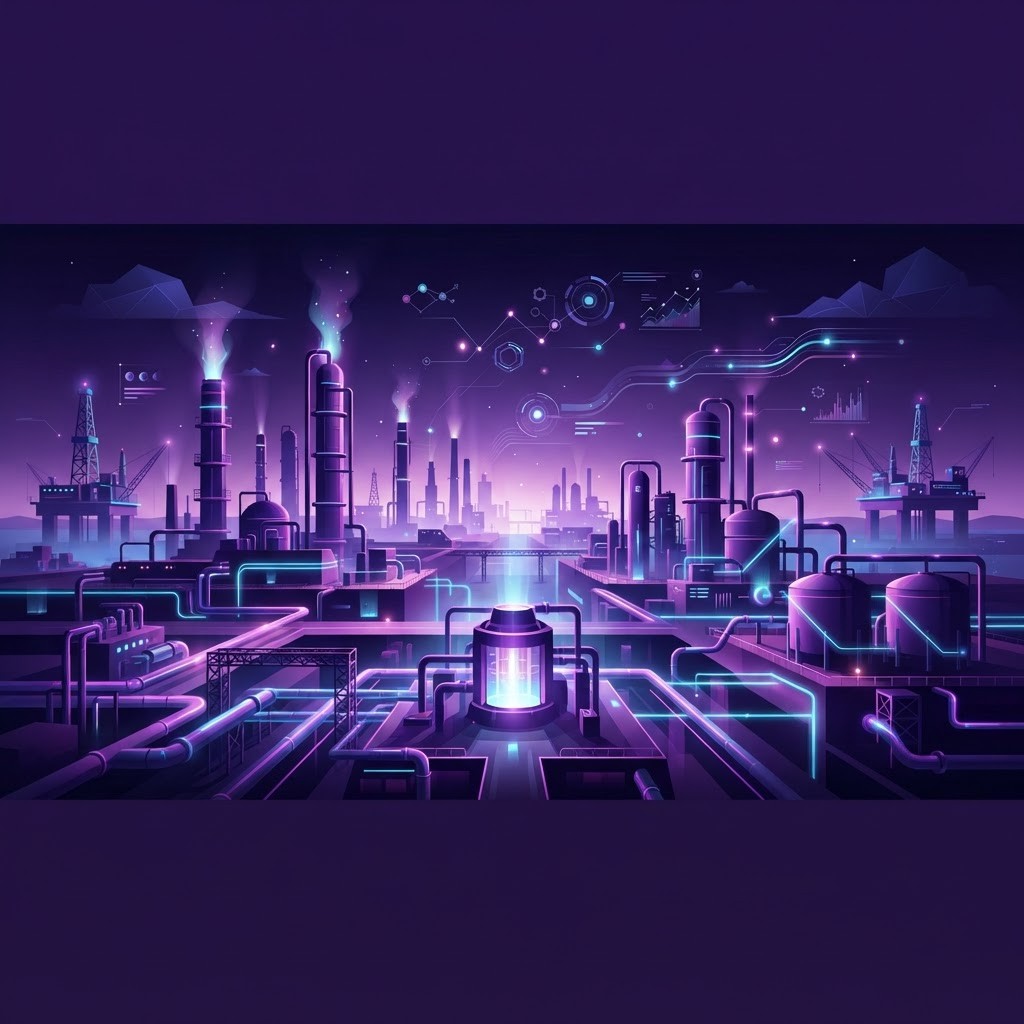
The Role of Oil and Gas in Slovakia
Despite the global shift toward renewable energy, oil and gas continue to play a central role in Slovakia's economy and energy system. The country occupies a strategic position in Central Europe as a transit hub for hydrocarbons flowing between east and west, and its refining and petrochemical industries are significant contributors to national output and employment. Understanding this sector is essential to grasping Slovakia's broader energy dynamics.
Slovakia's oil and gas companies manage a complex network of pipelines, storage facilities, refineries, and distribution channels. These operations supply fuel for transport, feedstock for industry, and heating for homes and businesses. As the energy transition accelerates, these companies are also exploring how to adapt their operations for a lower-carbon future.
A Strategic Transit Nation
Geography has made Slovakia a key link in European energy supply chains. Major pipelines cross its territory, and the country's storage and transit infrastructure supports the reliability of regional energy markets. This strategic importance has driven substantial investment in maintaining and modernising hydrocarbon infrastructure, ensuring secure and efficient flows of oil and gas.
Energy security has become an especially pressing concern across Europe, and Slovakia's diversified supply routes and storage capacity contribute to regional resilience. The companies operating this infrastructure carry significant responsibility for maintaining stable supplies.
Leading Oil and Gas Companies
Slovnaft is the country's flagship refining and petrochemical company, operating a major refinery that supplies fuels and petrochemical products throughout the region.
SPP (Slovenský plynárenský priemysel) is the dominant natural gas supplier, serving households, businesses, and industry with reliable gas distribution and related services.
Eustream operates Slovakia's gas transmission network, managing the transit of natural gas across the country and reinforcing its role as a European energy corridor.
Nafta a.s. specialises in natural gas storage and exploration, providing critical underground storage capacity that enhances supply security.
Transpetrol manages crude oil pipeline transport, ensuring the reliable delivery of oil to refineries and downstream customers.
MOL Slovensko operates an extensive retail fuel network and distribution operations, connecting refined products to consumers across the country.
OMV Slovensko is a prominent fuel retailer and supplier, known for its network of service stations and quality fuel products.
Shell Slovakia provides fuels, lubricants, and related services, combining international standards with local market presence.
SPP Distribúcia manages the gas distribution grid, maintaining the infrastructure that delivers natural gas safely to end users.
Tank & Rast Slovakia focuses on fuel logistics and storage services, supporting the smooth functioning of the downstream supply chain.
Balancing Tradition and Transition
The oil and gas sector faces the dual challenge of maintaining reliable energy supplies while adapting to decarbonisation pressures. Many companies are investing in cleaner refining processes, exploring low-carbon fuels, and considering the role of natural gas as a transitional energy source. Hydrogen and biofuels are attracting growing interest as potential complements or successors to traditional hydrocarbons.
These companies are also enhancing efficiency and reducing emissions across their operations, recognising that environmental performance is increasingly scrutinised by regulators, investors, and the public. Their ability to navigate this transition will shape their long-term relevance.
The Sector's Future Outlook
While the long-term trajectory points toward reduced fossil fuel consumption, oil and gas will remain important to Slovakia's energy system for the foreseeable future, particularly for transport, industry, and heating. The infrastructure and expertise these companies hold may also prove valuable in emerging areas such as hydrogen transport and carbon management.
Investment in modernisation, safety, and environmental performance will define the sector's evolution. The companies profiled here combine operational scale with strategic importance, positioning them to adapt as the energy landscape changes.
For Slovakia, the challenge lies in balancing energy security, economic contribution, and climate responsibility. The oil and gas companies leading the sector today will play a pivotal part in managing this transition, ensuring that the country's energy needs are met reliably while progress toward a cleaner future continues.