
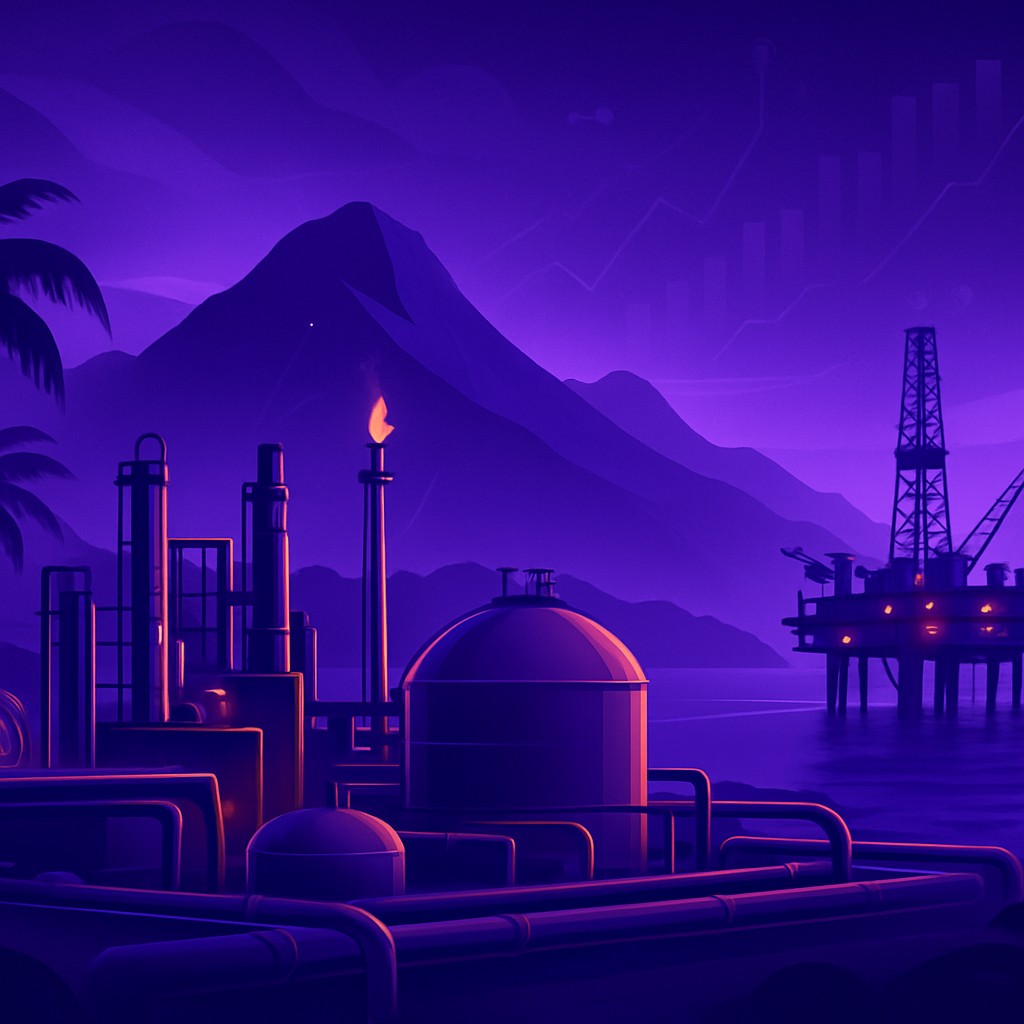
The Backbone of the National Economy
Oil and gas have long been central to Papua New Guinea's economy, generating significant export revenue, employment, and investment. The country's geology is rich in hydrocarbon resources, and the development of major projects, particularly in liquefied natural gas, has positioned Papua New Guinea as an important energy supplier in the Asia-Pacific region. The sector involves a mix of international majors and local players, all contributing to exploration, production, and processing across the highlands and beyond.
The scale of these operations is substantial, with projects requiring billions of dollars in investment and sophisticated infrastructure to extract, process, and transport resources to market. This industry not only fuels the national economy but also drives the development of roads, ports, and other infrastructure that benefit communities along the way.
Why the Sector Matters
Oil and gas revenues play a vital role in funding government services and national development. The sector attracts foreign investment, supports a wide range of jobs, and stimulates the growth of supporting industries such as logistics, construction, and professional services. For many communities near project sites, the industry brings employment opportunities and infrastructure improvements.
At the same time, the sector operates within a framework of environmental and social responsibility. Leading companies invest in community development, environmental management, and local content programmes designed to ensure that the benefits of resource extraction are broadly shared and sustainably managed.
Leading Oil and Gas Companies
ExxonMobil PNG operates the landmark liquefied natural gas project that transformed the country's energy landscape, and is recognised for its technical excellence and large-scale operations.
Santos is a major player following its expanded presence in the country, with significant interests in gas production and development projects.
Oil Search (now part of Santos) built a long legacy as a pioneer of the local industry, and its operations remain integral to the sector's history and ongoing activity.
TotalEnergies PNG leads development of a major upcoming liquefied natural gas project, bringing global expertise and investment to the country's next phase of growth.
Kumul Petroleum Holdings is the national oil and gas company, representing the state's interests across major projects and championing local participation.
JX Nippon Oil & Gas Exploration holds interests in key projects and contributes technical and financial strength to joint ventures.
Mitsubishi Corporation (PNG energy interests) participates in major gas ventures, reflecting strong international partnership in the sector.
Barracuda Limited is an emerging explorer pursuing new opportunities and contributing to the sector's growth pipeline.
Twinza Oil focuses on offshore gas and condensate development, advancing projects that could add to the country's production capacity.
Horizon Oil rounds out the list with exploration and production interests, contributing to the diversity of players active in the country.
Major Projects and Operations
The flagship of the sector is the liquefied natural gas industry, which involves extracting gas from highland fields, transporting it via pipeline, and processing it for export to markets across Asia. These projects represent some of the largest investments in the country's history and have a profound impact on the economy.
Beyond liquefied natural gas, the sector includes crude oil production, condensate, and ongoing exploration aimed at discovering new reserves. Companies continually invest in technology and infrastructure to improve efficiency, safety, and environmental performance across their operations.
Community and Environmental Responsibility
Responsible operation is essential in a country with rich biodiversity and strong customary land traditions. Leading companies engage extensively with landowners and communities, providing benefits such as royalties, employment, education, and health programmes. Local content initiatives aim to build national capacity by training workers and supporting local suppliers.
Environmental stewardship is also a priority. Companies implement measures to manage emissions, protect ecosystems, and rehabilitate sites, recognising that long-term success depends on maintaining the trust of communities and safeguarding the natural environment.
Trends and the Future
The sector continues to evolve amid global shifts in energy demand and growing attention to sustainability. Natural gas, viewed as a relatively cleaner fossil fuel, remains in strong demand across Asia, supporting continued investment in Papua New Guinea's resources. At the same time, companies are increasingly mindful of environmental expectations and the long-term transition toward cleaner energy.
New projects on the horizon promise to expand production and reinforce the country's role as a key energy supplier. The companies that balance commercial success with responsible practice will be best positioned to thrive in this changing landscape.
Conclusion
The oil and gas sector remains a cornerstone of Papua New Guinea's economy, driving investment, employment, and development. The companies featured here are leading exploration, production, and processing, shaping the nation's energy future. By combining world-class expertise with responsible operation, they continue to play a defining role in the country's economic story.