
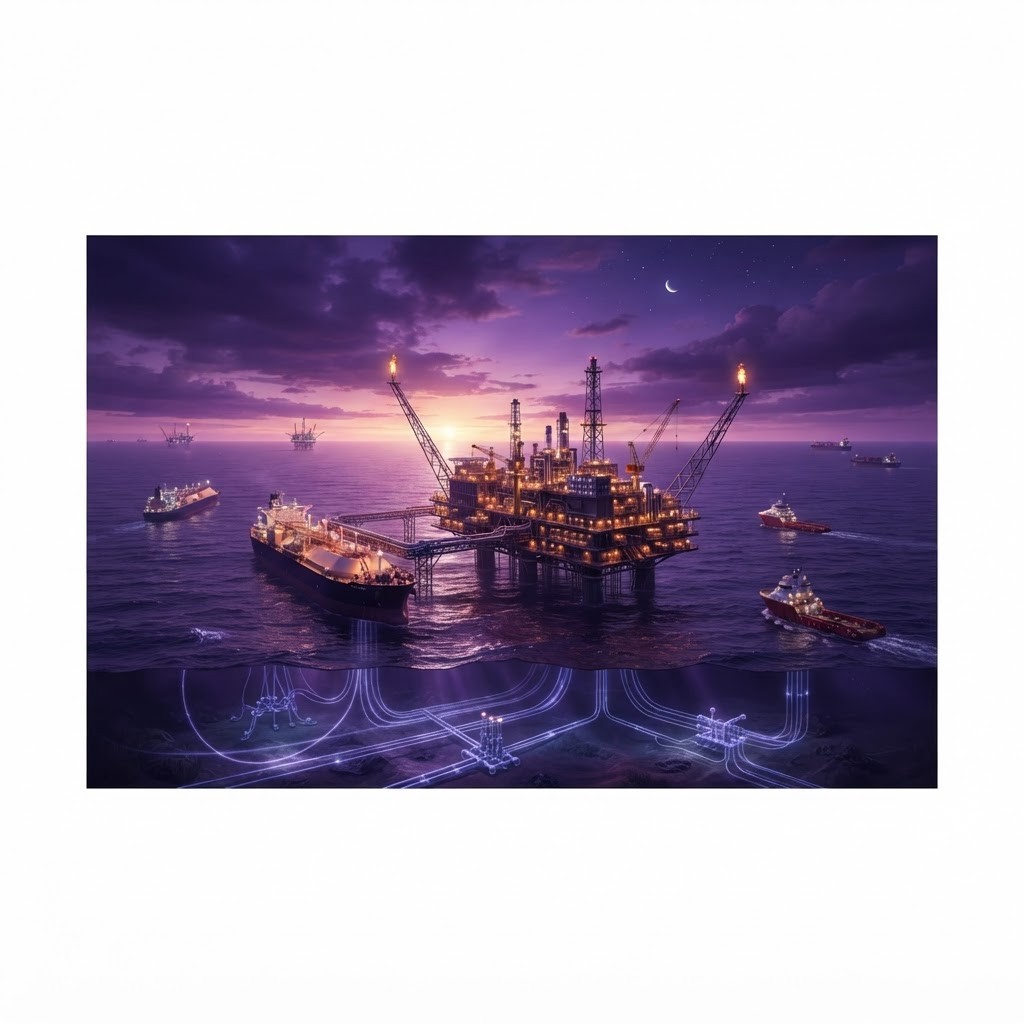
Mauritania's Rise as an Energy Producer
Mauritania has long been known for its rich mineral deposits, but in recent years it has captured global attention for its offshore hydrocarbon potential. The discovery of significant natural gas reserves in the Atlantic waters shared with neighboring Senegal has transformed the country's economic outlook. Landmark developments, most notably the Greater Tortue Ahmeyim project, have positioned Mauritania to become a meaningful exporter of liquefied natural gas.
These projects require enormous technical expertise, capital, and coordination. The companies operating in Mauritania's oil and gas sector range from global supermajors to specialized exploration firms and service providers, all working to responsibly develop resources that could underpin decades of national prosperity.
The Strategic Importance of Natural Gas
Natural gas is central to Mauritania's energy strategy. Beyond export revenue, domestic gas can fuel power generation, displacing expensive imported diesel and providing reliable baseload electricity to complement growing renewable capacity. Gas is also seen as a bridge fuel that supports industrialization while the country scales up its clean energy ambitions. This dual role makes the sector strategically vital.
Leading Oil and Gas Companies
BP is the operator of the flagship Greater Tortue Ahmeyim liquefied natural gas project, bringing world-class deepwater expertise and substantial investment to develop the cross-border gas resource.
Kosmos Energy played a pioneering role in the original discoveries offshore Mauritania and remains a key partner in developing the country's gas reserves.
Petronas, the Malaysian national energy company, has held significant exploration interests in Mauritanian waters, contributing global upstream experience.
Société Mauritanienne des Hydrocarbures (SMH) represents the state's interests in the sector, managing national participation and ensuring the country benefits from its resources.
TotalEnergies has pursued exploration acreage offshore Mauritania, bringing deep technical capability and a long-term development perspective.
Shell has explored opportunities in the region, applying its extensive deepwater and gas expertise.
Chariot Limited, known for its exploration focus, has been active in evaluating Mauritanian offshore potential.
Schlumberger (SLB) provides essential oilfield services, including drilling, subsurface evaluation, and reservoir technology that underpin successful project delivery.
Baker Hughes supplies advanced equipment and services for offshore operations, supporting safe and efficient development.
Halliburton contributes specialized services across the well lifecycle, helping operators maximize recovery while maintaining high safety standards.
Offshore Development Challenges
Developing deepwater gas is among the most technically demanding endeavors in the energy industry. It requires floating production systems, subsea infrastructure, and liquefaction facilities engineered to withstand harsh ocean conditions. Cross-border coordination with Senegal adds a layer of diplomatic and commercial complexity. The companies involved bring the engineering excellence and project management discipline needed to overcome these challenges safely and responsibly.
Economic Impact and Local Content
The oil and gas sector promises transformative economic benefits, including export revenue, government income, and the development of domestic industry. Local content policies encourage the training and employment of Mauritanian workers and the growth of supporting businesses. Managed prudently, these revenues can fund infrastructure, education, and diversification, helping the country build lasting prosperity rather than short-term windfalls.
Balancing Hydrocarbons and Sustainability
Mauritania faces the modern challenge of developing hydrocarbons responsibly while advancing its ambitious renewable and green hydrogen agenda. Many operators are focused on minimizing emissions, reducing flaring, and integrating gas with clean power to create a balanced, forward-looking energy system. This pragmatic approach allows the country to capture the value of its gas resources while remaining committed to a lower-carbon future.
Conclusion
Mauritania's oil and gas sector marks an exciting new chapter in the nation's development. The companies profiled here bring the expertise, capital, and technology required to unlock offshore resources responsibly. If managed wisely, this emerging industry can deliver reliable energy, meaningful revenue, and long-term economic strength for the Mauritanian people.