
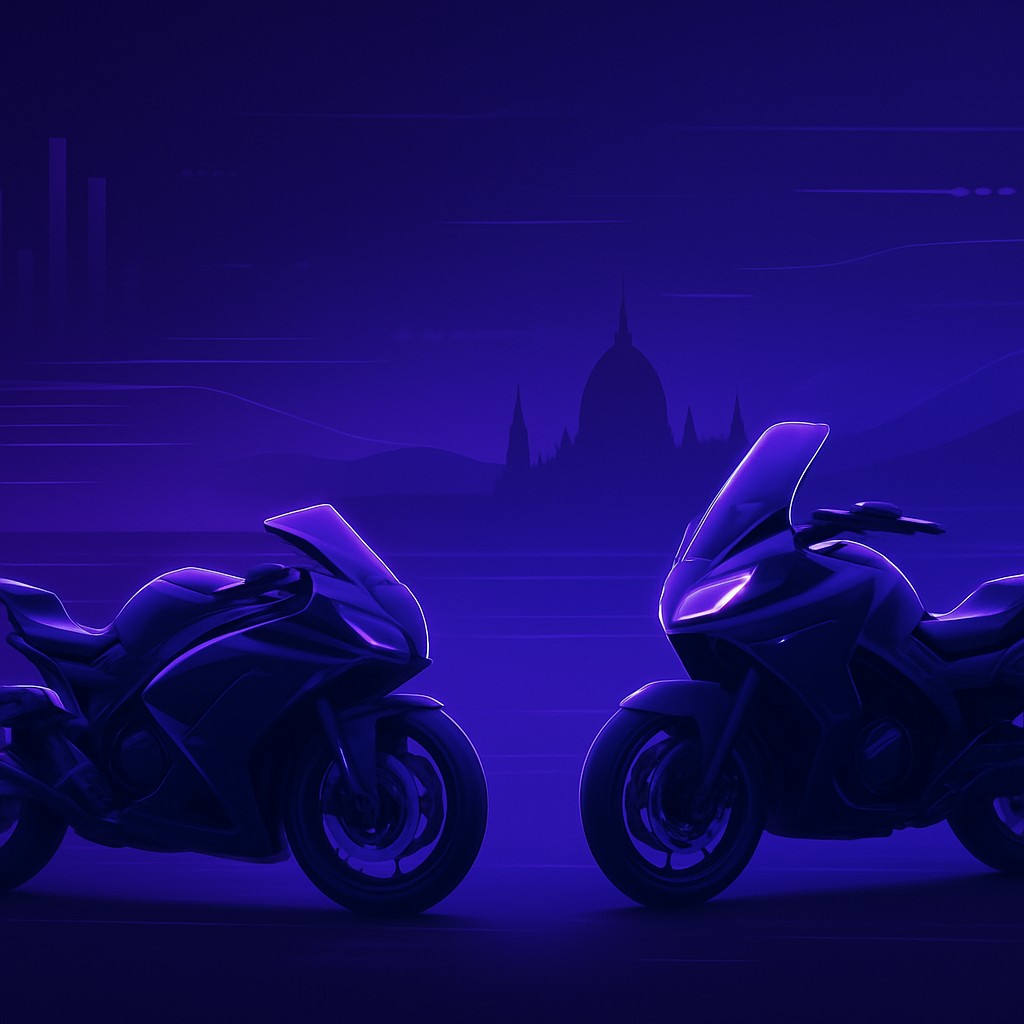
Hungary's Growing Motorcycle Culture
Motorcycling in Hungary has matured into a vibrant lifestyle that spans daily city commuting in Budapest, weekend touring across the rolling hills of Transdanubia, and spirited rides along the shores of Lake Balaton. As fuel prices and urban congestion encourage two-wheeled travel, more Hungarian riders are investing in motorcycles that balance performance, comfort, and long-term durability. The country's well-maintained road network and growing community of enthusiast clubs have made brand reputation a central topic among new and experienced riders alike.
Choosing the right brand is about more than horsepower. Hungarian buyers weigh dealer support, spare-part availability, resale value, and how well a machine handles both city traffic and longer cross-country routes. The brands below have built strong followings precisely because they deliver on these practical priorities while offering models for every riding style.
Premium European Engineering
BMW Motorrad remains a benchmark for touring and adventure riders in Hungary, prized for its GS adventure series and refined boxer engines that excel on long-distance journeys. Its reputation for engineering precision and rider-assistance technology makes it a favorite among those who prioritize comfort and safety. Ducati, the Italian marque, appeals to riders who crave sporty character and distinctive design, with a passionate owner community that values performance heritage and head-turning aesthetics.
Triumph brings a blend of British classic styling and modern reliability, with its modern classics line resonating strongly with Hungarian riders who appreciate timeless looks paired with up-to-date electronics. KTM, headquartered in neighboring Austria, enjoys particularly strong recognition in Hungary thanks to its proximity, robust dealer network, and dominance in off-road and adventure categories that suit the region's varied terrain.
Reliable Japanese Performers
Honda continues to be one of the most trusted names on Hungarian roads, celebrated for bulletproof reliability, fuel efficiency, and a broad lineup that ranges from beginner-friendly commuters to capable touring machines. Its strong resale value and accessible servicing make it a sensible long-term choice. Yamaha holds a similar position of respect, with sport, naked, and adventure models that combine engaging handling with everyday usability, supported by a loyal community of riders.
Kawasaki attracts performance-minded riders with its sport and naked offerings, known for spirited engines and aggressive styling. Suzuki rounds out the Japanese contingent with a reputation for value, versatility, and dependable mechanics, offering models that deliver strong performance without premium price tags. Together, these four brands form the backbone of practical, low-maintenance motorcycling in Hungary.
Versatile and Value-Focused Choices
Harley-Davidson maintains a devoted following among Hungarian cruiser enthusiasts who value the brand's iconic style, deep exhaust note, and strong sense of community through organized rides and events. While positioned as a lifestyle brand, its presence at Hungarian gatherings underscores its cultural pull. Royal Enfield has gained momentum in recent years, winning over riders who want characterful, accessible classic motorcycles at approachable prices, making it especially popular with younger riders entering the hobby.
These brands demonstrate that the Hungarian market rewards both heritage appeal and sensible value. Whether a rider seeks a head-turning cruiser or an affordable retro machine for relaxed weekend touring, there is a brand positioned to meet the demand.
What Hungarian Riders Should Consider
Before committing to any brand, riders in Hungary should evaluate a few key factors. Dealer proximity matters greatly, as convenient servicing and genuine spare parts reduce downtime and long-term ownership costs. Seasonal weather also plays a role; with cold winters limiting riding months, durability and easy storage are practical concerns. Insurance costs, licensing categories, and intended use, whether daily commuting or long touring, should all influence the final decision.
Resale value is another important consideration in a market where many riders upgrade over time. Established Japanese and German brands tend to hold value well, while specialty and lifestyle brands may appeal more to those buying for passion than practicality. Test rides, owner reviews, and community recommendations remain invaluable for making a confident choice.
Trends Shaping the Future
The Hungarian motorcycle market is gradually embracing electric and hybrid models, mirroring broader European sustainability trends. Advanced rider-assistance systems, connected dashboards, and improved safety features are becoming standard expectations rather than luxuries. Adventure and dual-sport categories continue to grow as riders seek versatile machines capable of handling both paved highways and gravel backroads.
As the community expands, so does the infrastructure supporting it, from specialized gear retailers to organized touring events and rider training programs. This maturing ecosystem ensures that the leading brands will continue refining their offerings to meet the evolving needs of Hungarian riders.
Conclusion
The best motorcycle brands in Hungary each bring distinct strengths, from BMW and KTM's adventure prowess to Honda and Yamaha's everyday reliability and Harley-Davidson and Royal Enfield's character-driven appeal. The ideal choice depends on a rider's budget, riding style, and long-term ownership priorities. By weighing reliability, dealer support, and intended use, Hungarian riders can confidently select a brand that delivers years of dependable, enjoyable riding.