
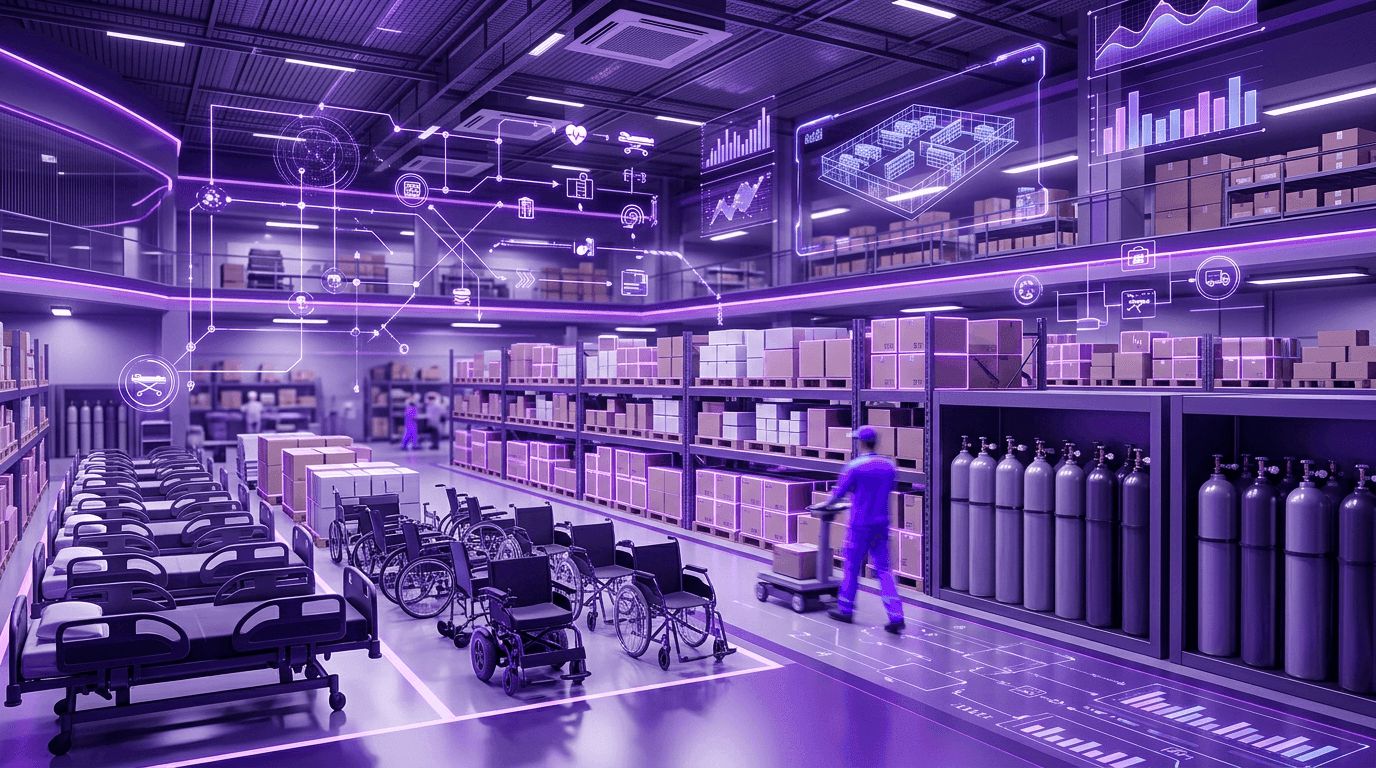
The Role of Medical Supply Companies
Medical supply companies play a quiet but essential role in healthcare. They provide durable medical equipment such as wheelchairs, hospital beds and walkers, respiratory equipment like oxygen concentrators and CPAP machines, diabetic supplies, wound care products and the countless items clinics and hospitals use every day.
As the medical hub of Acadiana, Lafayette is served by a mix of national distributors, home medical equipment providers and local suppliers. Below are ten companies that stand out for product range, reliability and service.
The Top 10 Medical Supply Companies in Lafayette
1. Lincare
Lincare is a leading provider of respiratory therapy services and equipment, including home oxygen, CPAP and BiPAP machines and nebulizers. Its respiratory therapists provide setup, education and ongoing support for patients at home.
2. Apria Healthcare
Apria offers home respiratory services, sleep apnea equipment and negative pressure wound therapy. Its insurance billing support simplifies the process for patients receiving equipment through Medicare and private insurers.
3. AdaptHealth
AdaptHealth supplies home medical equipment, sleep therapy devices, diabetes supplies and mobility products. Its broad portfolio makes it a convenient single source for many patients.
4. Rotech Healthcare
Rotech provides oxygen, ventilators, sleep apnea treatment and mobility equipment. It focuses on serving patients in both urban and rural communities, which is important for residents throughout Acadiana.
5. Hanger Clinic
Hanger Clinic specializes in prosthetics and orthotics, designing custom limbs, braces and supports. Its clinicians work closely with physicians and therapists to help patients regain mobility.
6. Medline Industries
Medline is a major manufacturer and distributor of medical supplies for hospitals, nursing homes and clinics. Its products range from gloves and gowns to wound care and patient room equipment.
7. McKesson Medical-Surgical
McKesson supplies physician offices, surgery centers and long-term care facilities with medical-surgical products and pharmaceuticals. Its logistics network ensures dependable deliveries.
8. Henry Schein
Henry Schein serves dental and medical practices with equipment, supplies and practice technology. Many Lafayette dental clinics rely on it for everything from instruments to digital imaging systems.
9. Cardinal Health
Cardinal Health distributes medical products and pharmaceuticals to hospitals and pharmacies. It also offers at-home solutions that deliver supplies directly to patients.
10. Local Home Medical Equipment Stores
Lafayette is home to independent medical equipment retailers where customers can try mobility aids, lift chairs, compression garments and bath safety products in person. Personal service and quick availability are their key strengths.
Common Types of Medical Supplies
Durable medical equipment includes reusable items like wheelchairs, scooters, hospital beds, walkers and lift chairs. Respiratory equipment covers oxygen concentrators, CPAP devices and nebulizers. Consumable supplies include wound dressings, incontinence products, diabetic testing strips and catheters. Orthotics and prosthetics provide support or replace limbs. Understanding what you need helps you find the right supplier.
Insurance and Medicare Considerations
Medicare Part B covers many types of durable medical equipment when prescribed by a doctor and supplied by a Medicare-enrolled provider. Always confirm that the supplier accepts assignment to avoid unexpected costs. Private insurers and Medicaid have their own rules, often requiring prior authorization. Keep copies of prescriptions and documentation of medical necessity.
Ask whether equipment will be rented or purchased, as many items such as oxygen concentrators are rented monthly. Clarify who handles maintenance, repairs and replacements.
Hurricane Preparedness for Medical Equipment Users
In South Louisiana, hurricane preparedness is critical for people who rely on powered medical equipment. Ask your supplier about backup batteries, portable oxygen tanks and emergency delivery plans. Register with your utility provider and parish emergency services if you depend on electricity for medical devices. Keep at least a two-week supply of consumables on hand during storm season.
Industry Trends
Home-based care is growing rapidly, increasing demand for portable, connected medical devices. Remote monitoring equipment allows clinicians to track patient data from home. Online ordering and subscription-based supply deliveries make it easier for patients to manage recurring needs. Supply chain resilience has also become a major priority after recent global disruptions.
Frequently Asked Questions
Does Medicare cover medical equipment?
Medicare Part B covers many types of durable medical equipment, such as wheelchairs, walkers, hospital beds and oxygen equipment, when prescribed by a doctor and supplied by a Medicare-enrolled provider that accepts assignment.
Should I rent or buy medical equipment?
Short-term needs, such as recovery after surgery, are often best met through rentals. Long-term needs may justify purchasing. Insurance rules also influence whether equipment is rented or purchased.
How do I get equipment delivered and set up?
Most home medical equipment providers deliver, set up and demonstrate equipment at your home. Respiratory therapists often provide training for oxygen and CPAP devices.
What if my equipment breaks?
Contact your supplier right away. Rental agreements usually include repairs or replacement, and many purchased items carry warranties. Keep emergency backups for critical devices.
Can I buy supplies without a prescription?
Many basic items, such as canes, bath safety products and some wound care supplies, can be purchased without a prescription, though insurance coverage typically requires one.
Final Thoughts
Lafayette's medical supply companies support patients, families and providers with dependable equipment and service. Choose a supplier that accepts your insurance, provides strong customer support and has a clear plan for emergencies. The right partner can make home care safer and more comfortable.