
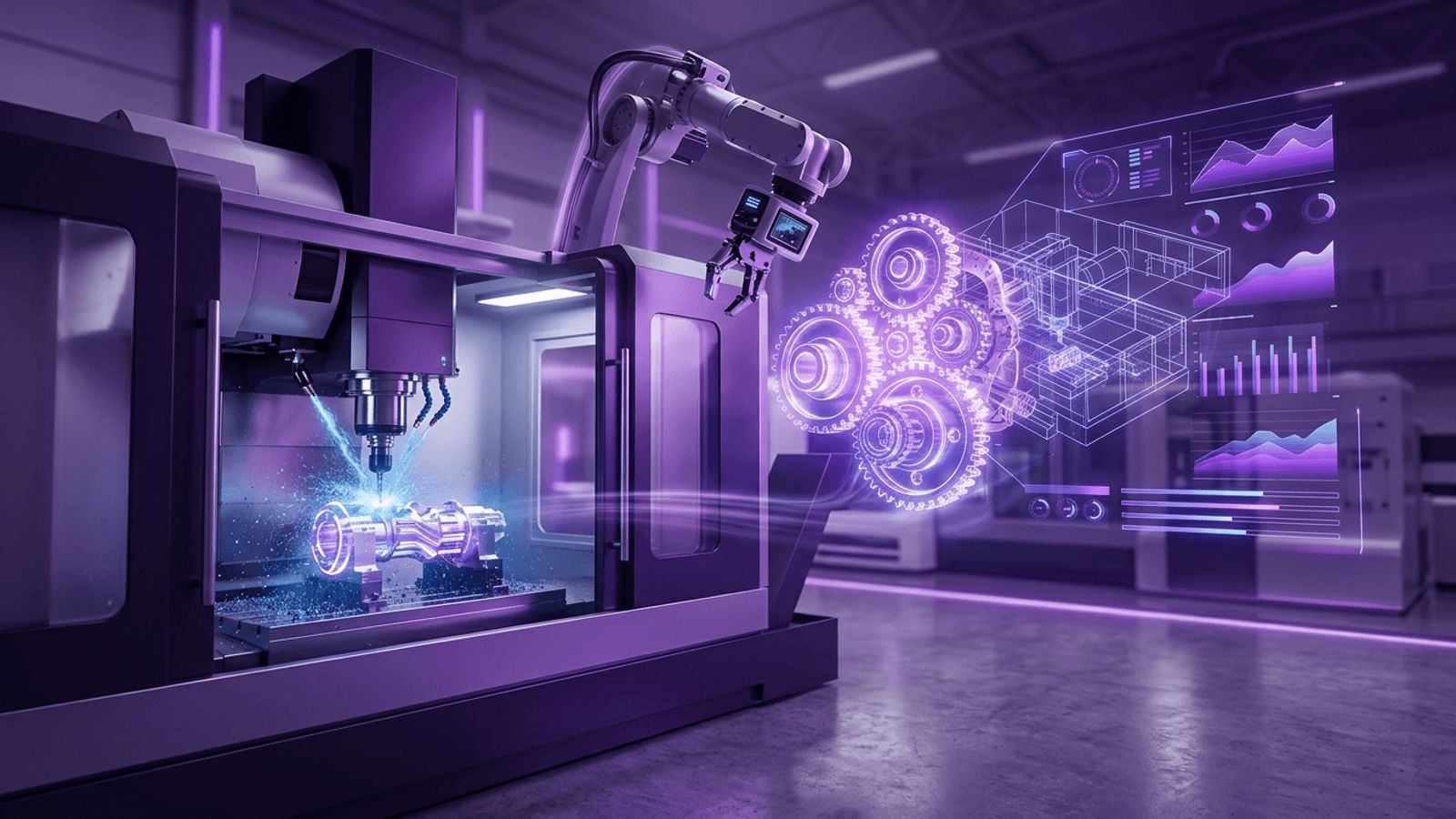
Machinery That Builds the World
Behind every vehicle, aircraft component, and consumer product is machinery: robots that weld and paint, presses that stamp metal, CNC machines that cut precision parts, and automated systems that move materials through a plant. Southeast Michigan, including Sterling Heights, is one of the world's most important regions for designing, building, and integrating this machinery. The city's automotive and defense plants create constant demand, and a dense network of machine builders, integrators, and tooling shops has grown up to meet it.
The companies below are among the top machinery manufacturers and automation providers serving Sterling Heights.
How We Selected These Companies
We considered regional presence, product and service breadth, technological leadership, reputation for quality, and relevance to the manufacturing operations found in Sterling Heights.
The Top 10 Machinery Manufacturers Serving Sterling Heights
1. KUKA
KUKA has a major North American presence in Sterling Heights, where it designs and builds automated production systems and robotic solutions. It is especially known for body-in-white assembly lines that join vehicle body structures with precision and speed.
2. FANUC America
FANUC America, headquartered in Rochester Hills, is a world leader in industrial robots, CNC controls, and factory automation. Its robots are used extensively in welding, material handling, painting, and assembly across Michigan plants.
3. ABB Robotics
ABB's robotics operations in Auburn Hills provide robots, controllers, and software for automotive and general industry. ABB is particularly known for paint automation and flexible manufacturing solutions.
4. Comau
Comau, with North American headquarters in Southfield, designs and builds automation systems for body assembly, powertrain, and electrification applications, including battery module and pack assembly.
5. Durr Systems
Durr, based in Southfield, specializes in paint finishing systems, assembly and testing equipment, and environmental technology. Its paint shops are used by automakers worldwide.
6. Utica Enterprises
Utica Enterprises, based in nearby Shelby Township, is a Michigan-owned designer and builder of automated assembly and welding systems. It serves automotive, appliance, and industrial customers with custom equipment.
7. Hirotec America
Hirotec America in Auburn Hills manufactures automated systems and tooling for vehicle door and closure assembly, along with hemming and joining technologies.
8. Proper Group
Proper Group, based in Warren, is a leader in tooling, injection molds, machining, and automation. Its capabilities support plastics, metal forming, and assembly operations across Macomb County.
9. Atlas Copco
Atlas Copco has a significant Michigan presence and supplies industrial tools, assembly solutions, compressors, and joining technologies. Its torque tools and fastening systems are critical for quality-controlled vehicle assembly.
10. Valiant TMS
Valiant TMS designs and builds automated tooling, welding, and material handling systems for automotive and aerospace manufacturers. Its operations in the Detroit-Windsor region make it a key partner for Sterling Heights plants.
Why the Region Leads in Machinery
Sterling Heights and its neighbors benefit from decades of manufacturing expertise. Engineers, machinists, controls technicians, and tool and die makers are concentrated here at a scale few regions can match. Proximity to major automakers allows machine builders to collaborate closely on new vehicle launches. Supporting industries, including steel suppliers, controls distributors, and precision machine shops, make it efficient to design, build, and service complex equipment locally.
Machinery Trends Shaping Manufacturing
Electrification is creating demand for new types of equipment, including battery cell handling, module assembly, and electric motor production systems. Collaborative robots that work safely alongside people are expanding automation to smaller shops. Digital twins and simulation allow engineers to design and test production lines virtually before building them. Machine vision and artificial intelligence improve quality inspection, while connected equipment supports predictive maintenance that reduces downtime. Flexible systems that can handle multiple vehicle models are increasingly valued as product cycles shorten.
Choosing a Machinery Partner
When selecting a machinery manufacturer or integrator, consider industry experience, engineering depth, project management capabilities, and long-term service support. Ask for case studies of similar projects, clarify warranty and spare parts commitments, and evaluate training programs for your maintenance teams. For smaller manufacturers, local builders and integrators may provide faster response and more personalized support.
Workforce Opportunities
Machinery manufacturing offers rewarding careers in mechanical design, controls engineering, robotics programming, machining, and field service. Macomb Community College and regional universities offer programs that prepare students for these roles, and many companies provide apprenticeships and on-the-job training.
Frequently Asked Questions
What is a systems integrator?
A systems integrator designs and combines robots, conveyors, controls, and tooling from multiple vendors into a complete automated production line tailored to a customer's needs.
Are collaborative robots right for small shops?
Collaborative robots are often easier to program and deploy than traditional industrial robots, making them a practical first step into automation for small and mid-sized manufacturers.
How long does it take to build a custom production line?
Timelines depend on complexity, but custom automation projects typically involve design, build, testing at the builder's facility, and installation and launch support at the customer's plant.
What is predictive maintenance?
Predictive maintenance uses sensor data and analytics to identify equipment problems before they cause breakdowns, reducing unplanned downtime and extending machine life.
How do I justify an automation investment?
Calculate savings from labor efficiency, quality improvement, scrap reduction, and increased capacity, then compare them with equipment, integration, and maintenance costs over the system's expected life.
Final Thoughts
Sterling Heights sits in one of the world's richest ecosystems for industrial machinery and automation. From KUKA's local operations to regional leaders like FANUC, ABB, and Utica Enterprises, these companies are building the equipment that powers modern manufacturing. Their innovations help local factories stay competitive in a rapidly changing global market.