
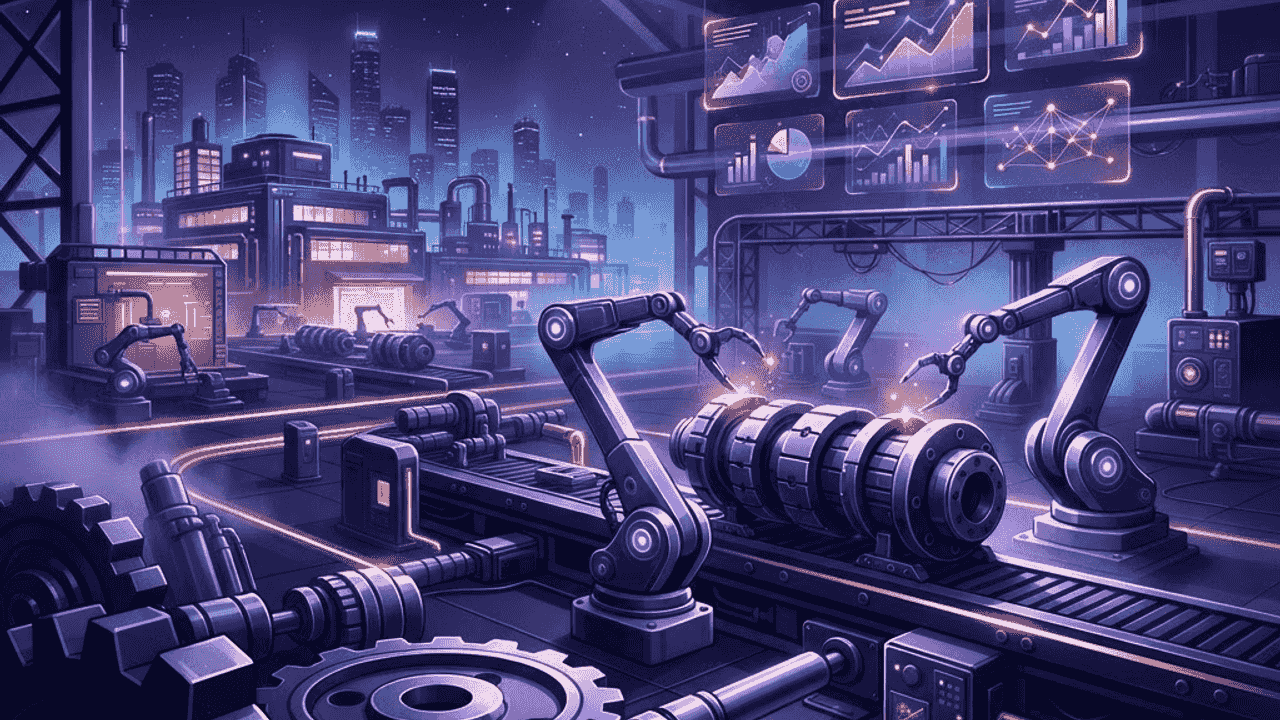
The Machinery Manufacturing Sector in Austin
Machinery manufacturing forms a crucial backbone of the Austin area's industrial economy, supplying equipment that powers construction, agriculture, energy, technology, and countless other sectors. Local manufacturers range from producers of heavy industrial machinery to makers of precision equipment and automation systems. This diversity reflects the region's broad economic base and its capacity for advanced engineering.
The companies below represent some of the most respected machinery manufacturers serving the Austin region, each bringing specialized expertise to the market.
The Top 10 Machinery Manufacturers
1. Lone Star Industrial Machinery. A leading producer of heavy equipment, Lone Star is known for rugged, reliable machines built to withstand demanding conditions.
2. Capital City Automation. Specializing in automated systems and robotics, this company helps manufacturers modernize their production lines.
3. Violet Precision Equipment. Focused on high-tolerance machining and precision instruments, Violet serves clients requiring exacting standards.
4. Hill Country Fabrication Works. This manufacturer produces custom machinery and structural components tailored to specific client needs.
5. Texas Motion Systems. A specialist in motion control and conveyance equipment, supporting logistics and manufacturing operations.
6. Barton Hydraulics. Producing hydraulic systems and components, Barton is trusted for durable, high-performance products.
7. Colorado River Machine Co. This firm offers comprehensive machining and assembly services for industrial equipment.
8. Summit Manufacturing Systems. Serving the energy and construction sectors, Summit builds heavy-duty machinery engineered for reliability.
9. Pecan Grove Equipment. A versatile manufacturer producing agricultural and utility machinery for regional clients.
10. Capital Precision Tools. Rounding out the list, this company specializes in tooling, dies, and precision components for manufacturing.
What Sets Leading Machinery Manufacturers Apart
Machinery manufacturing requires a rare combination of engineering depth, precision, and durability. The best manufacturers invest in advanced design and machining capabilities, ensuring their products perform reliably under heavy use. Rigorous quality control and testing are essential, as equipment failures can be costly and dangerous for clients.
Customization is often a key differentiator. Many industrial clients need machinery tailored to their specific processes, and manufacturers that offer strong engineering collaboration and custom fabrication provide significant value. Responsive after-sales support, including parts and service, further strengthens long-term client relationships.
Industry Trends and Innovation
Automation and robotics are transforming machinery manufacturing, both in the products being made and the processes used to make them. Smart machinery equipped with sensors and connectivity enables predictive maintenance, reducing downtime and extending equipment life.
Advanced manufacturing techniques, including computer-controlled machining and additive manufacturing, are improving precision and enabling more complex designs. Energy efficiency and sustainability are also growing priorities, with manufacturers designing equipment that consumes less power and operates more cleanly. These innovations are helping clients boost productivity while controlling costs.
The Importance of Local Machinery Producers
Local machinery manufacturers offer meaningful benefits to regional industries. Proximity allows for closer collaboration on custom projects, faster delivery, and more responsive service and support. This is especially valuable for clients who rely on their equipment for daily operations and cannot afford extended downtime.
Supporting local manufacturers also strengthens the regional industrial base, sustaining skilled jobs and fostering a resilient supply chain. For businesses across construction, energy, agriculture, and beyond, dependable local partners are a strategic asset.
Maintenance, Service, and Equipment Lifecycle
The relationship between a machinery manufacturer and its client rarely ends at the point of sale. Industrial equipment represents a substantial investment, and its value depends heavily on proper maintenance and support throughout its working life. The best manufacturers recognize this, offering comprehensive service programs, readily available spare parts, and technical support that keeps equipment running reliably for years.
Predictive maintenance, enabled by sensors and connectivity built into modern machinery, is transforming how service is delivered. Rather than waiting for equipment to fail, clients can now address potential issues before they cause costly downtime. This proactive approach extends equipment lifecycles and improves overall productivity. Leading manufacturers also support clients through upgrades and retrofits, helping them modernize existing machinery rather than replacing it entirely. By considering the full lifecycle of their products and providing dependable ongoing support, top machinery manufacturers deliver value that extends far beyond the initial purchase, reinforcing the long-term partnerships that regional industries depend on.
Conclusion
Austin's machinery manufacturing sector is robust and technically sophisticated, serving a wide spectrum of industries. The ten companies highlighted here span heavy equipment, automation, precision machining, and custom fabrication, demonstrating the depth of capability in the region. By emphasizing engineering excellence, durability, and responsive support, these manufacturers deliver equipment that keeps essential industries running. For businesses seeking reliable machinery partners, the Austin area offers a wealth of expertise and innovation. As automation, connectivity, and smart-maintenance technologies continue to advance, the region's machinery producers are embracing these tools to build more efficient, longer-lasting equipment, ensuring that the industries they serve remain productive, competitive, and well-equipped to meet the demands of a rapidly evolving industrial landscape for years to come.