
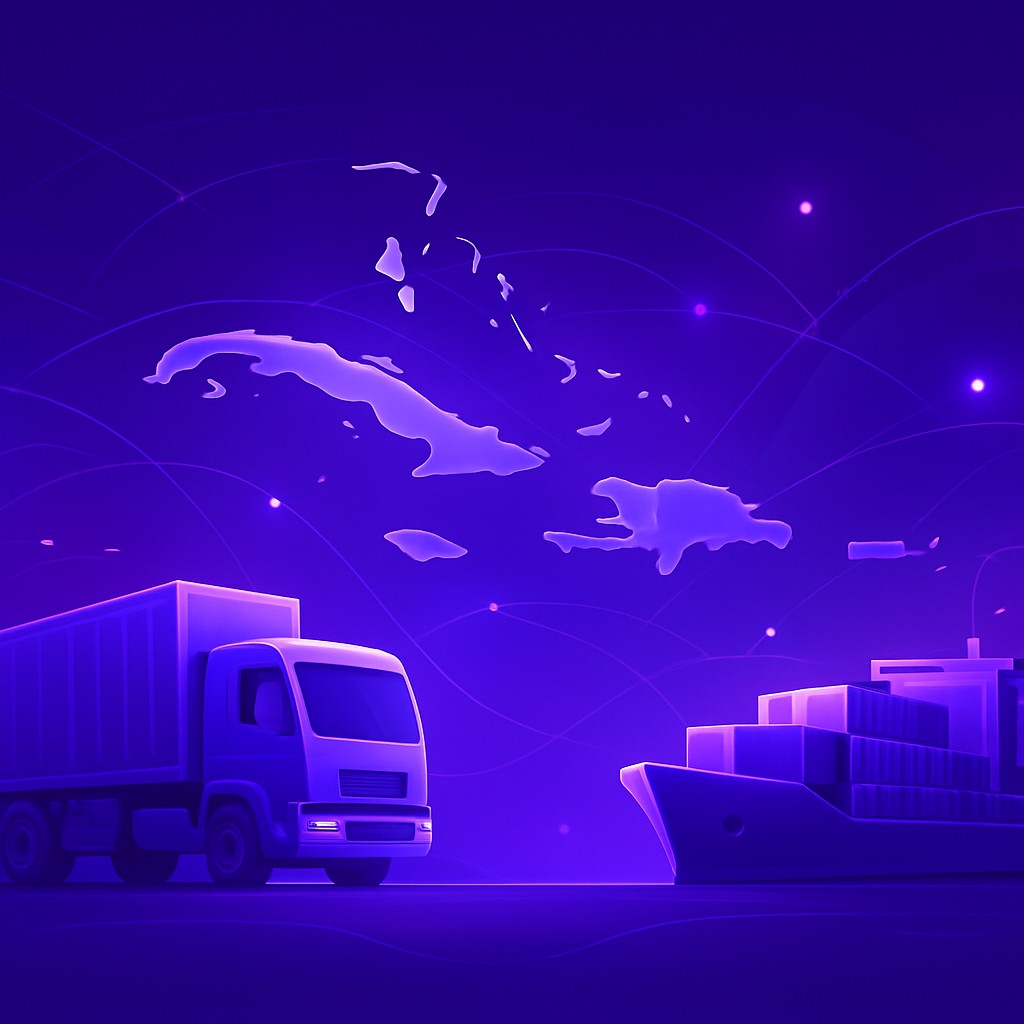
Understanding Haiti's Logistics Landscape
Logistics is the backbone of any growing economy, and in Haiti it plays an especially critical role. As a Caribbean nation that relies heavily on imports, exports of agricultural goods, and humanitarian supply flows, the country depends on efficient logistics providers to keep markets stocked and businesses running. From the bustling Port of Port-au-Prince to inland distribution hubs, logistics companies in Haiti manage the complex movement of goods across mountainous roads, congested urban centers, and coastal corridors.
The logistics industry here has matured steadily over the past decade, with both local enterprises and internationally connected operators investing in warehousing, fleet management, and customs expertise. These firms help importers navigate clearance procedures, manage inventory, and deliver products to retailers and consumers nationwide.
What Makes a Logistics Company Stand Out
The best logistics providers in Haiti distinguish themselves through reliability, transparency, and adaptability. Given the infrastructure challenges that can affect transport routes, companies that maintain well-serviced fleets and contingency planning consistently outperform competitors. Strong customs brokerage capability is equally important, since smooth clearance at ports and the airport can make or break delivery timelines.
Technology adoption is another differentiator. Leading firms now offer shipment tracking, digital documentation, and inventory dashboards that give clients real-time visibility. Combined with experienced local teams who understand regional road conditions and community dynamics, these capabilities create a competitive edge.
Leading Logistics Companies in Haiti
Agility Logistics Haiti is widely recognized for its integrated freight forwarding, customs clearance, and contract logistics services. The company serves multinational clients and humanitarian organizations alike, offering end-to-end supply chain management with a reputation for professionalism.
DHL Global Forwarding brings international standards to the Haitian market, providing air and ocean freight solutions backed by a global network. Their expertise in time-sensitive shipments makes them a preferred partner for businesses requiring dependable cross-border movement.
Crowley Logistics has a long-standing presence in the Caribbean and offers ocean transportation, warehousing, and distribution services connecting Haiti with the United States and regional markets. Their integrated approach is valued by retailers and manufacturers.
Transitex Haiti specializes in freight forwarding and project cargo, helping construction, energy, and industrial clients manage oversized and complex shipments with careful coordination.
SDV / Bolloré Logistics provides comprehensive supply chain services including customs brokerage and inland transport, leveraging deep experience across emerging markets to support both commercial and institutional clients.
Caribbean Port Services focuses on terminal handling and port-side logistics, ensuring efficient loading, unloading, and onward distribution from Haiti's primary maritime gateways.
Valerio Canez Logistics is a respected local conglomerate division offering transport, warehousing, and distribution backed by decades of in-country experience and a broad operational footprint.
Haiti Supply Chain Solutions serves small and medium enterprises with flexible warehousing and last-mile delivery, filling an important gap for businesses that need scalable support.
Unitransfer Cargo blends courier and freight capabilities, making it popular with the Haitian diaspora and businesses moving consumer goods between North America and Haiti.
Global Freight Haiti rounds out the list with consolidated shipping, customs handling, and distribution services tailored to importers seeking cost efficiency and reliability.
Industry Trends Shaping the Sector
Several trends are reshaping logistics in Haiti. Digitalization is accelerating, with more providers adopting shipment tracking and electronic documentation to reduce delays and improve client confidence. There is also growing emphasis on resilience, as companies build redundant routes and diversified warehousing to withstand disruptions caused by weather or infrastructure constraints.
Sustainability is emerging as a consideration, with select operators exploring fuel-efficient fleets and consolidated shipping to reduce environmental impact and costs. Meanwhile, partnerships between local firms and international networks continue to expand, bringing global best practices to the domestic market.
Benefits of Working With Established Providers
Choosing an experienced logistics partner offers significant advantages. Businesses gain access to streamlined customs processes, reducing the risk of costly delays at ports. They also benefit from professional warehousing that protects inventory and from distribution networks that reach urban and rural markets alike. For organizations managing humanitarian or development programs, reliable logistics ensures critical supplies arrive where they are needed most.
Choosing the Right Logistics Partner
When selecting a logistics company in Haiti, businesses should evaluate track record, fleet condition, customs expertise, and technology offerings. Clear communication and responsive customer service are equally vital, especially when shipments require coordination across multiple stages. Companies that combine local knowledge with international standards tend to deliver the most consistent results.
The Economic Impact of Strong Logistics
Beyond individual businesses, a robust logistics sector contributes meaningfully to Haiti's broader economic health. Efficient movement of goods lowers the cost of essential products, supports the growth of retail and manufacturing, and enables agricultural producers to reach larger markets. When supply chains function smoothly, prices stabilize and consumers benefit from better availability of goods. Logistics providers also create employment, from drivers and warehouse staff to customs specialists and operations managers, contributing to livelihoods across the country.
Strong logistics networks further enhance Haiti's attractiveness for investment. Businesses considering entering the market look closely at how reliably they can import inputs and distribute products. By raising service standards and adopting modern practices, the leading logistics companies help build confidence in Haiti's commercial environment and support long-term development.
Conclusion
Haiti's logistics companies form an essential link in the nation's economic chain, enabling commerce, supporting development, and connecting the country to global markets. The leading providers profiled here exemplify the professionalism, reliability, and adaptability needed to thrive in a demanding environment. As infrastructure improves and technology adoption grows, the sector is poised to deliver even greater value to businesses and communities across Haiti.